
Sudan Army Uses AKINCI TİHA to Down Chinese CH-95 Drone

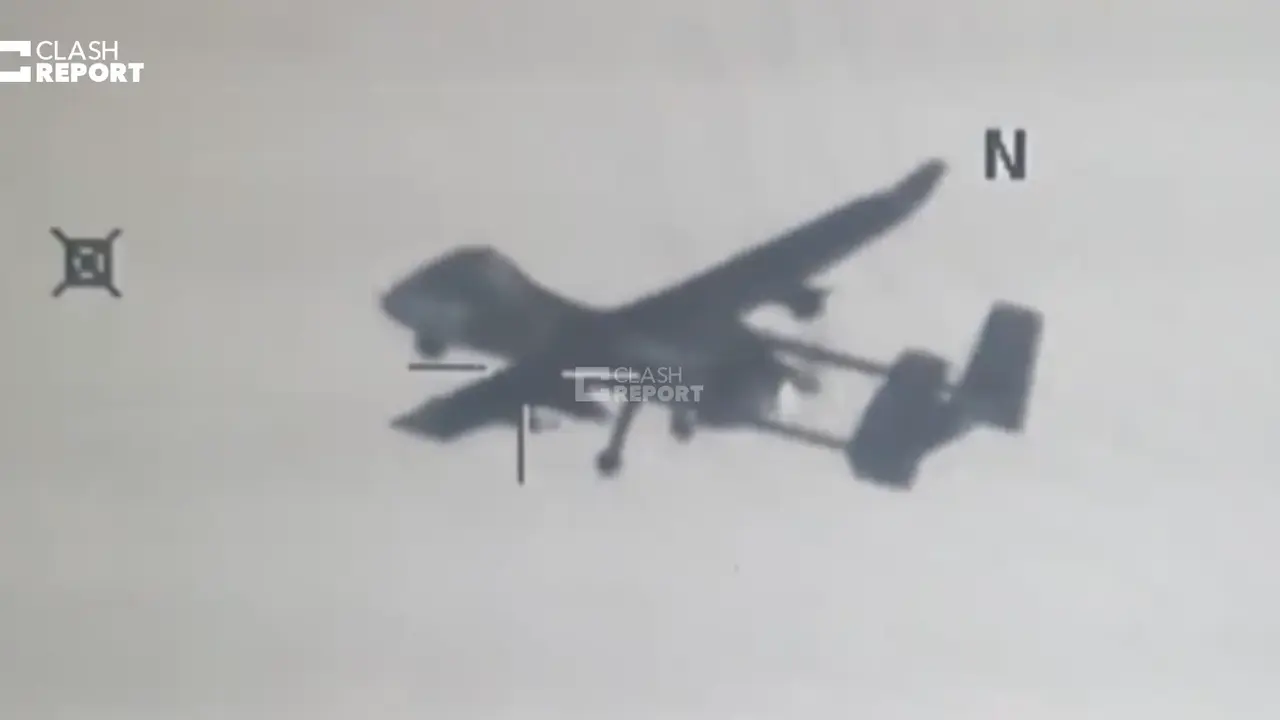
The ongoing civil war in Sudan has witnessed a significant escalation in aerial combat as the Sudanese Armed Forces successfully utilized the Baykar-manufactured AKINCI TİHA to neutralize a Chinese-made CH-95 drone. This engagement, which occurred near Nyala, marks the latest instance of the AKINCI TİHA demonstrating its air-to-air combat capabilities against unmanned aerial vehicles operated by the Rapid Support Forces (RSF). While technical details remain subject to verification due to the nature of the conflict, this event continues a reported series of successful interceptions by the Sudanese military using high-end Turkish-manufactured platforms in the ongoing regional power struggle.
- The Sudanese Armed Forces continue to deploy the Baykar AKINCI TİHA for air-to-air engagements against opposing unmanned systems.
- Multiple reports indicate that several Chinese-made CH-95 and FH-95 drones have been neutralized in the region over the past week.
- The use of ROKETSAN-developed EREN missiles highlights the integration of advanced Turkish munitions into aerial platforms for specialized combat roles.
- Sudanese military officials categorize these operations as part of a broader effort to secure control over contested territories.
Previous Engagements with EREN Missiles Receive Validation
The operational synergy between the AKINCI platform and ROKETSAN’s EREN missile was most notably demonstrated on September 20. During this incident, the Sudanese military confirmed that a CH-95 drone was destroyed during an air-to-air encounter. Subsequent analysis of debris confirmed the presence of various munitions, suggesting that the AKINCI is increasingly utilized for direct aerial combat rather than traditional reconnaissance or ground-attack missions alone. While reports suggest the use of the EREN missile in recent events, official confirmation remains pending for the latest strikes.
Air-to-Air Missions Occur With Increasing Frequency
The intensity of the drone conflict in Sudan is underscored by the rapid succession of these engagements. Between September 24 and September 27, multiple reports surfaced regarding the destruction of several CH-95 class drones. The ability of the AKINCI to repeatedly target and neutralize these systems indicates a shifting dynamic in the conflict, where unmanned platforms serve as primary instruments for air superiority. The CH-95 family, known for its long-endurance reconnaissance capabilities, has now become a frequent target for the Sudanese military’s advanced air fleet.
Sudan Serves as a Critical Testing Ground
The deployment of the AKINCI in Sudan provides a unique environment for validating Turkish aerospace technology outside of controlled test ranges. While domestic trials in Turkey, including the successful use of the SUNGUR missile against high-speed targets, have established the baseline for the platform’s capabilities, the Sudanese theater serves as a real-world validation of these systems. The AKINCI’s multi-role flexibility—ranging from intelligence gathering to precision strikes and aerial interception—positions it as a decisive asset in the current operational landscape.
Distinctions Between Drone Models Remain Essential
It is important to differentiate between various models reported in the conflict zone. For instance, the Sudanese military reported the destruction of an FH-95 drone in North Darfur; however, it did not specify that an AKINCI was the platform responsible for this particular kill. The operational complexity in Sudan involves multiple air defense assets, and not all drone losses can be attributed solely to the AKINCI. Discerning between these incidents is vital for an accurate assessment of the military’s multifaceted approach to neutralizing hostile aerial threats.
Integration of Advanced Munitions Enhances Operational Range
The successful integration of ROKETSAN munitions like the EREN highlights Turkey’s advancements in defense technology. By enabling an unmanned platform to engage low-speed, long-endurance targets, these systems provide a tactical advantage that traditional ground-based air defenses may lack. Furthermore, the AKINCI’s reported role in countering sophisticated systems like the Chinese-made FK-2000 emphasizes its versatility. As these technologies continue to evolve, the AKINCI remains a focal point for understanding the future of unmanned warfare.
How do you evaluate the impact of drone-on-drone combat on the future of modern warfare? Share your thoughts and technical observations in the comments section below.
Your comment has been submitted,
it will be published after approval.