
TURKA and Altınay Partner to Bring Robotic Vehicle Inspection Systems

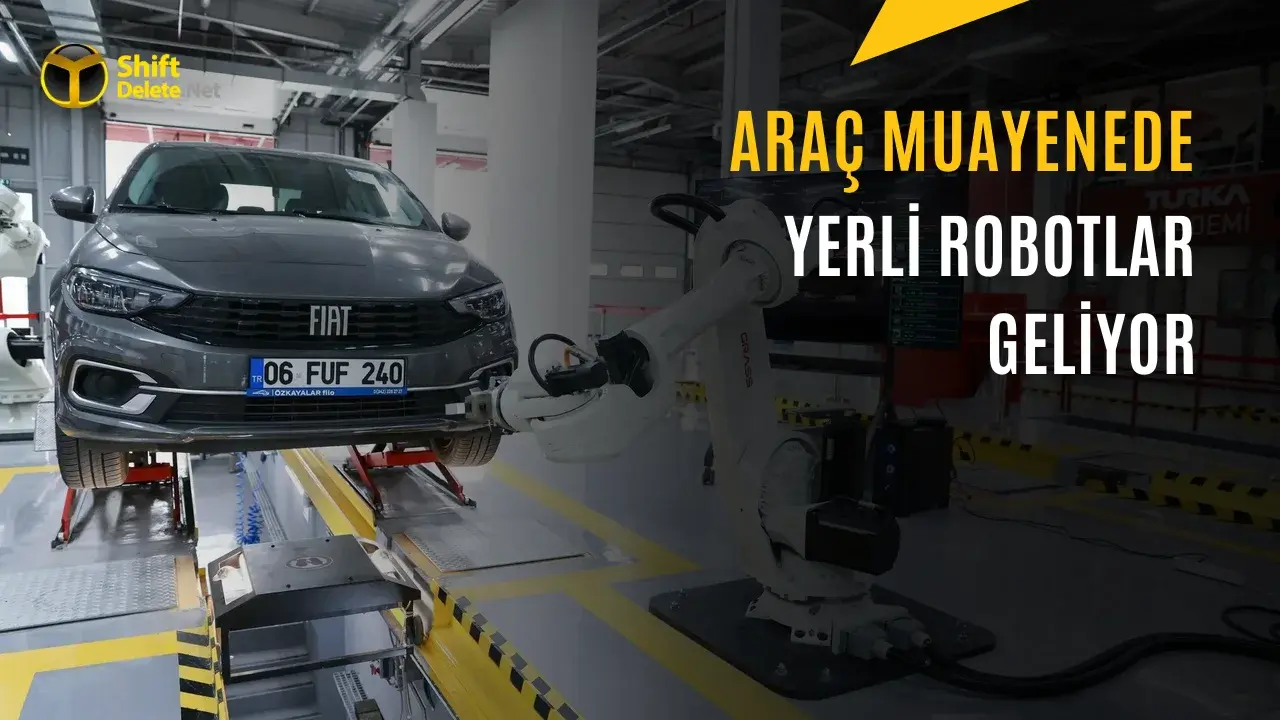
TURKA and Altınay Robot Technologies have officially announced a strategic partnership aimed at integrating advanced robotic systems and sensor-based technologies into vehicle inspection centers across Turkey. This collaboration, centered at the new TURKA Next Generation Vehicle Inspection Pilot Center in Arnavutköy, Istanbul, seeks to modernize traditional safety checks by utilizing industrial robots and digital imaging. By automating measurements in hard-to-reach vehicle areas, the project aims to minimize human error and establish standardized, repeatable data collection processes. This technological transformation is scheduled to ramp up significantly as TURKA prepares to assume control of national inspection operations starting August 15, 2027, for a twenty-year term.
- TURKA and Altınay Robot Technologies are developing robotic systems to enhance the precision and standardization of vehicle inspections.
- The project utilizes domestic production of servo motors and control software to create a localized technological infrastructure.
- TURKA will begin managing national vehicle inspection services on August 15, 2027, for a duration of twenty years.
- Qualified personnel will maintain the final authority over inspection results despite the increasing use of automated diagnostic tools.
Robotic Systems Enhance Precision Through Local Innovation
The core of this initiative involves the deployment of sophisticated robotics developed by Altınay Robot Group’s GRASS platform. These industrial units, paired with advanced imaging technology, are designed to perform complex physical measurements that typically suffer from human variability. By capturing data digitally and integrating it directly into existing inspection software, the system ensures a high level of consistency.
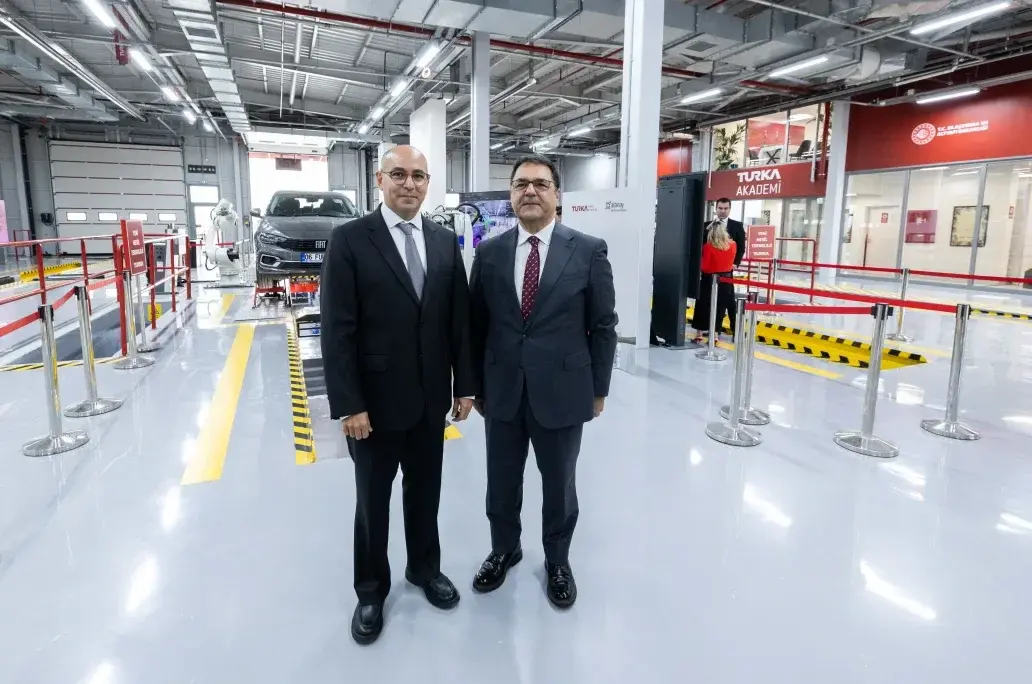
Furthermore, the project emphasizes domestic production, with robot drivers, specialized servo motors, and the core control software being manufactured locally. This commitment to indigenous technology is intended to pave the way for future international exports of these inspection systems.
New Standards are Being Prepared for 2027
As the 2027 transition deadline approaches, the Arnavutköy pilot center serves as a critical testing ground for these innovations. Data gathered from these real-world operations will determine which specific inspection tasks are best suited for automation versus manual oversight. While the integration of these robots is expected to significantly improve operational efficiency and data accuracy, company leadership has clarified that the fundamental nature of the inspection process remains unchanged. TURKA Executive Board Member Serhan Salman noted that while technicians will receive substantial support from the AI-driven data, the responsibility for final roadworthiness decisions remains firmly with authorized human personnel under current legal frameworks.
Future Market Expansion is Being Targeted
The long-term vision for this partnership extends beyond Turkey’s borders. Both companies believe that the unique combination of high-precision robotics and reliable digital record-keeping will set a new benchmark for international vehicle safety protocols. By demonstrating the efficacy of these systems within Turkey’s extensive inspection network, the consortium aims to export its technological infrastructure to global markets, establishing Turkey as a key player in the development of automated diagnostic solutions. The project represents a significant shift in how vehicle safety is verified, potentially influencing regulatory standards globally as the adoption of automated inspection technology continues to grow.
How do you feel about the transition to robotic systems in vehicle inspections? We invite you to share your thoughts on whether this technology will improve safety or simply change the current workflow in the comments section below.
Your comment has been submitted,
it will be published after approval.