
NVIDIA RTX 60 Series Launch Date Reportedly Delayed to 2028

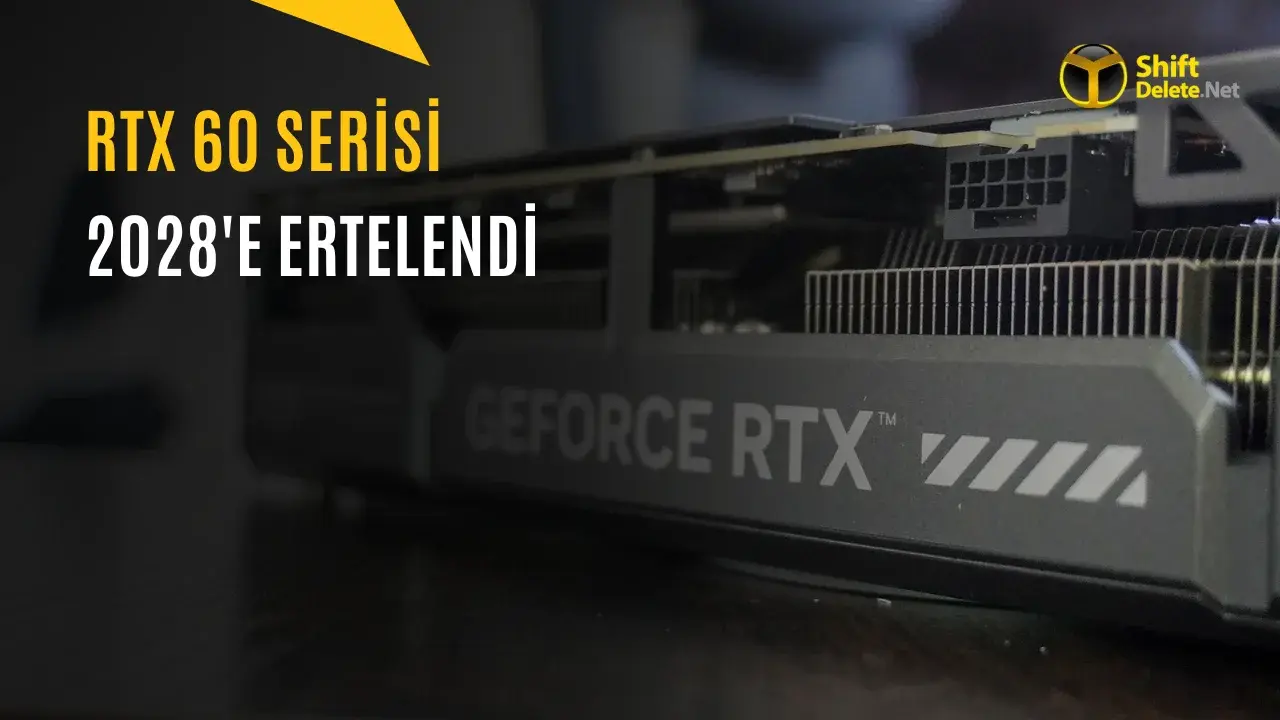
Reliable industry insiders suggest that the anticipated NVIDIA RTX 60 series launch date has been pushed back from its initial 2027 projection to 2028. According to reports from the hardware leaker Kopite7kimi, NVIDIA has updated its internal roadmap for the upcoming consumer-grade graphics cards, which are expected to feature the advanced Rubin architecture. This adjustment indicates that the company is shifting its focus, potentially extending the market lifecycle for the current Blackwell-based RTX 50 series. While NVIDIA has yet to provide an official statement regarding the GR20x GPU family, this delay marks a significant change in the company’s long-term product rollout strategy for gamers.
- The release of the Rubin-based GR20x GPU family has been rescheduled for 2028.
- Industry analysts expect the current RTX 50 series to remain the primary consumer offering for a longer period.
- High production costs for GDDR7 memory are impacting the development timelines for future GPU models.
- The Rubin architecture continues to prioritize data center deployments before transitioning to gaming hardware.
Rubin Architecture Influences Gaming Roadmap Decisions
The transition to the Rubin architecture represents a major technological leap for NVIDIA. Although the data center variants of the Rubin platform began shipping in August 2026, the consumer-facing GR20x series follows a distinct development trajectory. The recent delay suggests that the company is taking a more cautious approach to integrating its latest architectural advancements into the gaming market. This strategic pause allows NVIDIA to synchronize its supply chain and technical capabilities before bringing the next generation of performance to mainstream users. [image_1]
Memory Costs Create Supply Chain Challenges
One of the primary factors contributing to the shifting timelines involves the high cost and limited availability of GDDR7 memory modules. With 3GB capacity chips proving to be expensive, manufacturers are facing significant hurdles in maintaining competitive pricing for new graphics cards. These financial constraints have forced a reassessment of planned product releases, including potential Super variants of the RTX 50 series. The scarcity of high-performance memory is not isolated to gaming hardware, as the surging demand for AI-specific HBM and other advanced memory solutions continues to strain global production capacity. [image_2]
Future Market Expectations Remain Uncertain
As the industry looks toward the eventual arrival of the RTX 60 series, the roadmap beyond the Rubin architecture remains in flux. NVIDIA’s future plans already include subsequent iterations such as Rubin Ultra and Feynman architectures, yet the specific integration timeline for these technologies into consumer products remains speculative. For now, enthusiasts may need to prepare for a longer wait before experiencing the next major generational shift in graphics technology. The extended dominance of the Blackwell architecture implies that current hardware will continue to serve as the benchmark for performance for some time to come.
How do you feel about the potential one-year delay for the next-generation RTX 60 series, and will this influence your plans to upgrade your current gaming rig? Share your thoughts in the comments section below.
Your comment has been submitted,
it will be published after approval.