
Samsung Galaxy S23 Ultra Faces Potential US Sales Ban

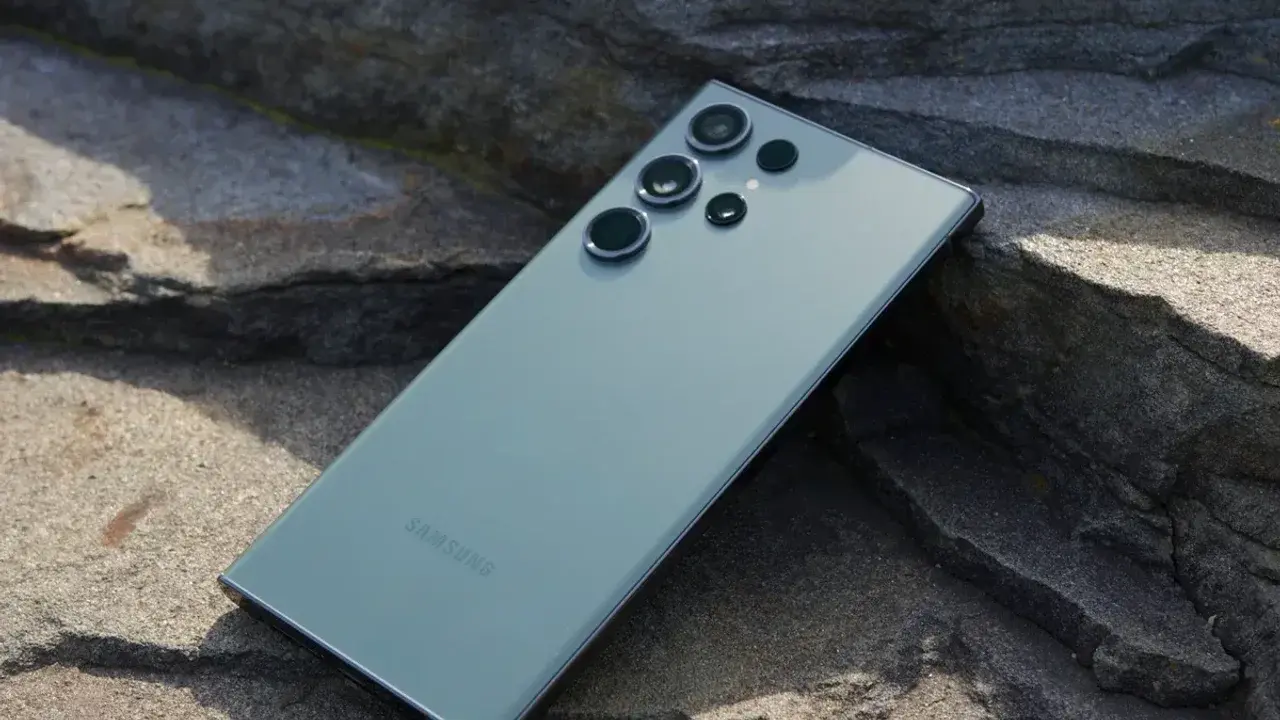
Samsung, the South Korean technology giant, is currently navigating a significant legal challenge in the United States after the startup Ioengine filed a patent infringement lawsuit. The plaintiff alleges that Samsung utilized its proprietary connectivity technologies without authorization across several popular devices, most notably the Samsung Galaxy S23 Ultra. This legal action, which has sparked concerns regarding the future availability of Samsung products in the American market, centers on claims that the company violated specific patents related to data connectivity. As the court prepares to review the evidence, the tech industry is closely monitoring how these allegations may impact Samsung’s operations and overall market strategy moving forward.
- Ioengine has initiated a lawsuit against Samsung alleging unauthorized use of its patented connectivity technologies.
- The plaintiff specifically seeks a permanent sales injunction for the Samsung Galaxy S23 Ultra and the Samsung Portable SSD T7 within the United States.
- Legal proceedings could potentially force Samsung to pay significant financial compensation or alter its future hardware designs.
Multiple Samsung Devices Face Legal Challenges
The scope of the lawsuit filed by Ioengine is extensive, covering a variety of high-profile hardware products. Beyond the flagship Galaxy S23 Ultra and the Portable SSD T7, the complaint includes the Galaxy Watch Ultra and the Galaxy Buds2 Pro. Ioengine argues that the connectivity protocols integrated into these devices infringe upon its intellectual property rights.  The startup is calling for the court to intervene decisively to protect its innovations from unauthorized commercial exploitation.
For the Galaxy S23 Ultra and the Portable SSD T7, the petitioner has explicitly requested that the court halt all sales of these units in the United States. In instances where a total sales ban is not granted, Ioengine is seeking substantial monetary damages as an alternative remedy. While the claims regarding the Galaxy Watch Ultra and Galaxy Buds2 Pro focus primarily on financial restitution, the inclusion of these devices demonstrates the breadth of the legal pressure being applied to the manufacturer.
Potential Consequences Impact Future Tech Strategies
This litigation represents a critical test for patent law enforcement within the competitive technology sector. Should the court rule in favor of Ioengine, the impact on Samsung could extend far beyond the immediate financial penalties. A negative verdict might necessitate a complete overhaul of the company’s connectivity architecture, potentially disrupting development pipelines for future generations of consumer electronics.  The long-term implications could force Samsung to reevaluate its internal R&D processes and intellectual property vetting procedures.
Currently, the details of the court proceedings remain in the preliminary stages. The outcome will likely hinge on the technical evidence presented by both parties and how the presiding judge interprets the patent claims. As patent litigation often involves complex and lengthy judicial review, a final resolution may take considerable time to materialize. The industry is watching to see whether Samsung will opt for a settlement or choose to vigorously defend its technical implementations in court.
The prevalence of such lawsuits highlights the increasingly complex legal landscape that multinational manufacturers must navigate in the U.S. market. As smaller startups continue to challenge industry leaders, the precedent established by this case may influence how connectivity standards are developed and protected in the future. Samsung’s response to these allegations will be a defining factor in how the company manages its reputation and legal risk in the coming months.
Given the potential implications of this patent dispute on your favorite Samsung devices, we would like to hear from you. Do you believe that such legal actions are necessary to protect innovation, or do they hinder the progress of consumer technology? Share your thoughts in the comments section below.
Your comment has been submitted,
it will be published after approval.