
TikTok Agrees to $100 Million Settlement With Alabama Over Safety

TikTok has reached a significant legal settlement with the state of Alabama, agreeing to pay at least $100 million to resolve allegations that the platform misled users regarding safety protocols and intentionally designed its interface to foster addiction among children. The agreement, announced ahead of a scheduled trial, effectively halts looming court proceedings. According to the Alabama Attorney General’s office, the financial penalties could scale up to $300 million depending on the fulfillment of specific compliance conditions. This landmark settlement underscores the growing legal pressure on social media giants to address child safety concerns and provides a framework for future regulatory oversight of digital platforms.
- TikTok will pay an initial $100 million settlement to Alabama to address claims of child safety negligence.
- The total financial penalty may increase to $300 million based on the company’s adherence to state safety requirements.
- New platform restrictions include mandatory time limits for minors and enhanced parental control tools.
- The company has implemented stricter regulations on cosmetic filters to protect the body image of adolescent users.
Settlement Terms Define Future Financial Liabilities
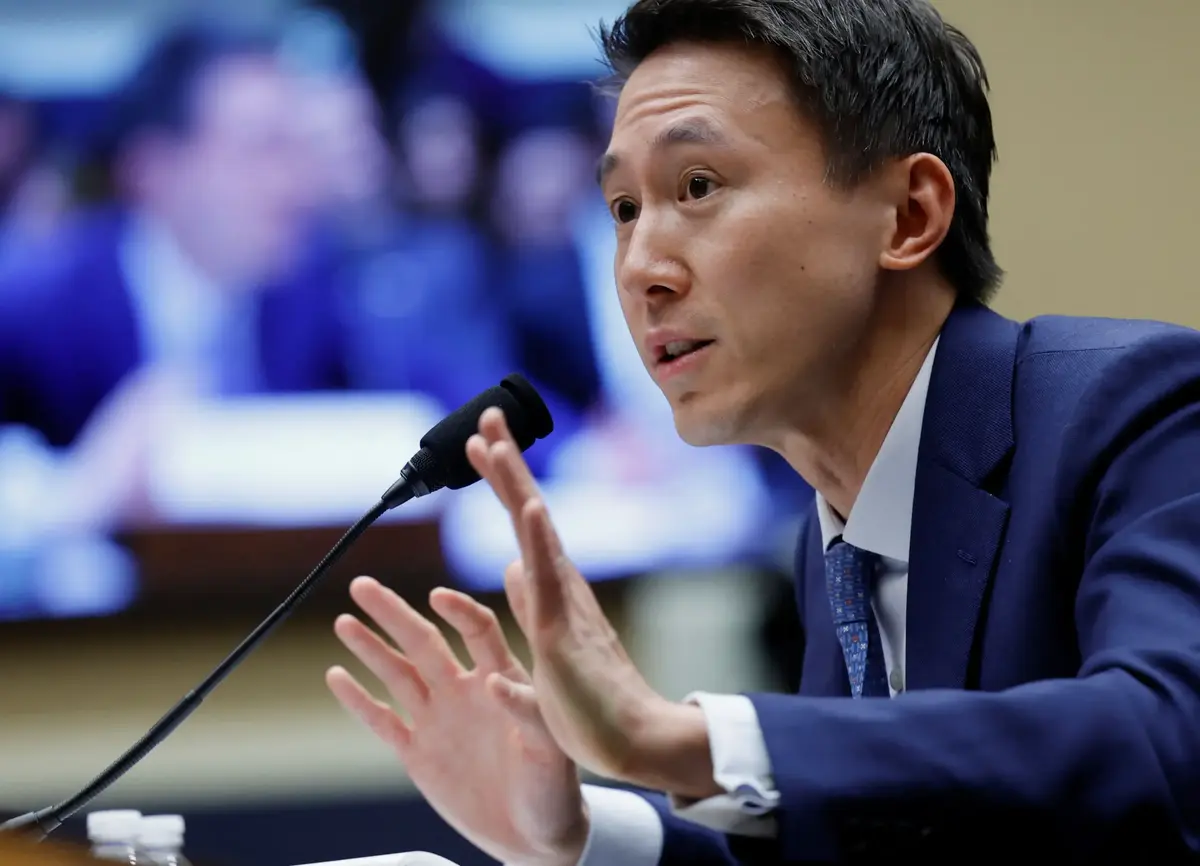
Alabama Attorney General Steve Marshall characterized the settlement as a necessary measure to provide parents with peace of mind. By mandating real-world protections, the state aims to mitigate the risks associated with excessive social media consumption. For its part, TikTok issued a formal statement affirming that the settlement aligns with its ongoing efforts to refine its safety tools and prioritize the well-being of its younger demographic. The substantial initial payment reflects the gravity of the allegations brought forth by state authorities, who believe this outcome serves as a critical precedent for the entire technology sector.
This legal resolution follows a broader trend of increased scrutiny regarding how tech companies handle data and user behavior. Experts suggest that the size of this settlement signals that regulators are becoming increasingly intolerant of platform features that may compromise the health of minors. By accepting these terms, TikTok acknowledges the necessity of balancing its engagement-focused business model with the imperative of protecting its most vulnerable users.
New Safety Measures Limit Usage for Minors
Beyond the financial penalties, the agreement mandates sweeping operational changes within the TikTok application. The platform has committed to enforcing a default two-hour daily usage limit for users under the age of 18. This restriction is designed to curb addictive patterns and encourage healthier digital habits among the youth. Additionally, the platform is expanding its suite of parental control features, allowing guardians to monitor their children’s activities and settings with greater transparency.
The company is also addressing concerns regarding sleep disruption by introducing stricter usage limitations during late-night hours. Furthermore, TikTok has implemented new constraints on the use of certain cosmetic filters that have been criticized for negatively impacting the self-perception and body image of teenagers. These updates represent a comprehensive safety strategy intended to minimize the potential for psychological harm.
The current agreement follows a significant $400 million settlement reached with the U.S. Department of Justice last August concerning child privacy law violations. As these legal battles continue to reshape the digital landscape, it is clear that social media platforms are facing an era of heightened accountability. These evolving standards demonstrate that the industry must prioritize user protection to maintain its social license to operate. Whether these measures will successfully deter addiction remains a subject of ongoing debate among child psychologists and digital safety advocates.
Do you believe that these mandatory usage limits and filter restrictions are sufficient to curb social media addiction, or should tech companies be required to do more to protect younger users? Share your thoughts in the comments section below.
Your comment has been submitted,
it will be published after approval.