
Intel Raptor Lake Processors Now Soldered onto Desktop Motherboards

Erying has introduced a new line of Mobile-on-Desktop (MoDT) motherboards that feature Intel’s Raptor Lake processors directly soldered onto the board. This innovative approach integrates high-performance mobile-class CPUs into a compact desktop system architecture, eliminating the traditional replaceable CPU socket. These specialized boards are designed for users seeking integrated, powerful computing solutions without the flexibility of a standard desktop build.
The MoDT concept, pioneered by Erying, brings Intel’s robust Raptor Lake processors, typically found in laptops and industrial applications, to the desktop environment. Unlike conventional desktops where CPUs can be easily swapped, these processors are permanently affixed to the Printed Circuit Board (PCB), creating a unified and compact computing unit. This design choice prioritizes space-saving and integration over user upgradeability.
Examining the Processor Specifications and Performance Capabilities
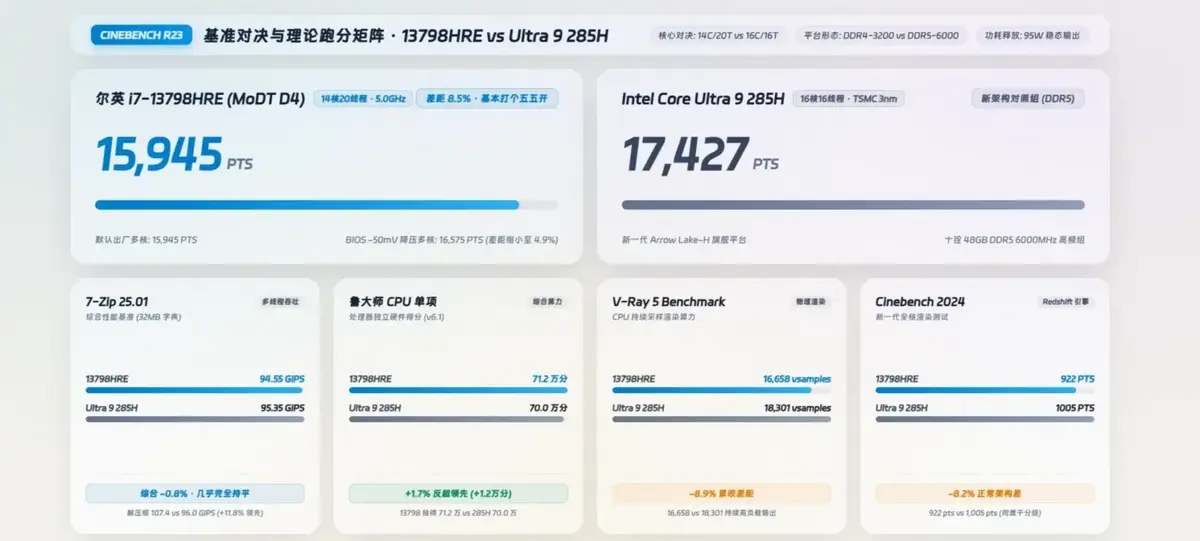
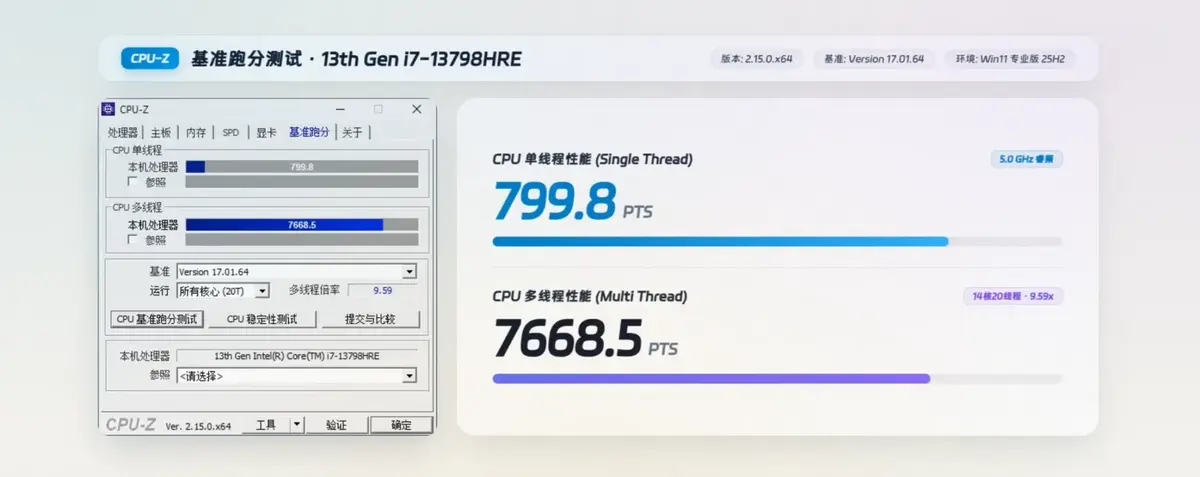
Two primary configurations are available, featuring either a Core i7-13798HRE or a Core i5-13598HRE processor. The Core i7-13798HRE boasts a hybrid architecture with 6 Performance-cores and 8 Efficient-cores, totaling 14 cores. It can reach a maximum clock speed of 5.0 GHz and includes 24 MB of L3 cache, offering substantial processing power.
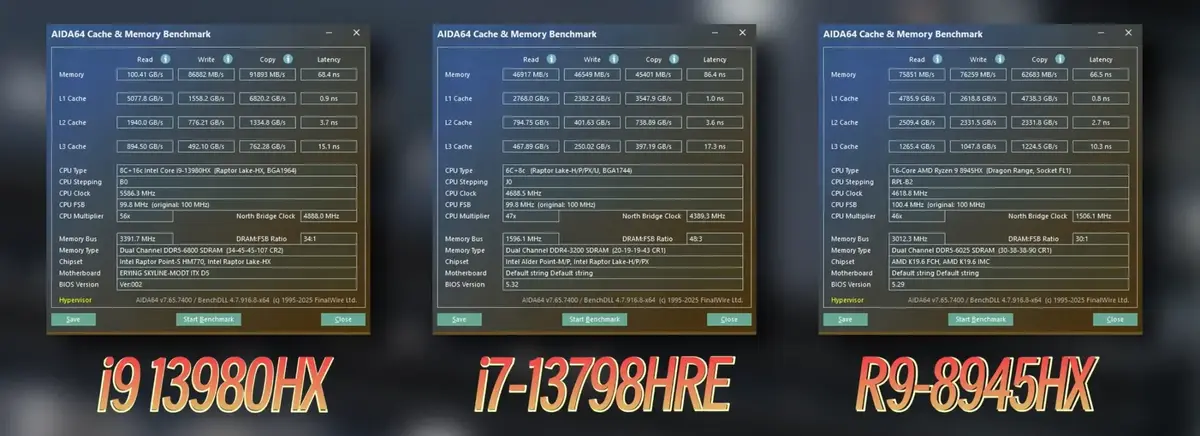
The Core i5-13598HRE is equipped with 12 cores, comprising 4 Performance-cores and 8 Efficient-cores. This model can achieve clock speeds of up to 4.8 GHz and is supported by 18 MB of L3 cache. Both processors share a base power consumption of 55W and notably lack integrated graphics.
Consequently, users must install a discrete graphics card to enable video output, making these boards suitable for builds that require dedicated GPU performance. The absence of integrated graphics is a key consideration for potential buyers, influencing the overall system cost and component selection.
Understanding the Motherboard’s Memory and Expansion Features
In terms of memory support, these Erying motherboards utilize DDR4 technology instead of the newer DDR5 standard. This decision contributes to potentially lower system costs and leverages the widespread availability of DDR4 RAM. Each board is equipped with two DDR4 UDIMM slots, allowing for expandable memory configurations within the DDR4 ecosystem.
For expansion, the motherboards are outfitted with one PCIe 5.0 x8 slot and one PCIe 3.0 x4 slot. The PCIe 5.0 x8 slot provides ample bandwidth for modern graphics cards, ensuring compatibility with high-performance GPUs. The inclusion of these expansion slots offers a degree of flexibility for users looking to add specialized hardware.
Storage capabilities are addressed with two M.2 slots, one supporting PCIe 4.0 x4 speeds and the other PCIe 3.0 x4. Additionally, two SATA ports are available for connecting traditional hard drives or SSDs, catering to a variety of storage needs. This combination ensures robust options for both high-speed and conventional storage devices.
Assessing Connectivity Options and Market Positioning
The rear connectivity panel features two USB-A ports operating at 10 Gbps, alongside six additional USB-A ports at 480 Mbps, providing a comprehensive range of peripheral connectivity. Network access is handled by a single Gigabit Ethernet RJ-45 port.
Erying has priced the Core i7-13798HRE model at 1,399 yuan and the Core i5-13598HRE model at 1,199 yuan. The permanent soldering of the processors means that future CPU upgrades are not possible, a significant limitation for users who like to upgrade their systems incrementally. Although similar models like the Core i7-13799HRE and Core i5-13599HRE have appeared in third-party listings, comprehensive independent performance benchmarks are still pending.
The availability of these MoDT boards outside of the Chinese market remains uncertain. These systems present an interesting proposition for budget-conscious users seeking integrated performance, but the lack of upgradeability is a critical factor to consider. We are keen to hear your thoughts on this approach to desktop computing.
What are your thoughts on Intel Raptor Lake processors being soldered directly onto desktop motherboards? Do you see this as a viable cost-saving option for certain users, or does the lack of upgradeability make it an unattractive proposition? Share your opinions in the comments below!
Your comment has been submitted,
it will be published after approval.