
World’s Most Expensive 24 Karat Gold Fanless PC Revealed

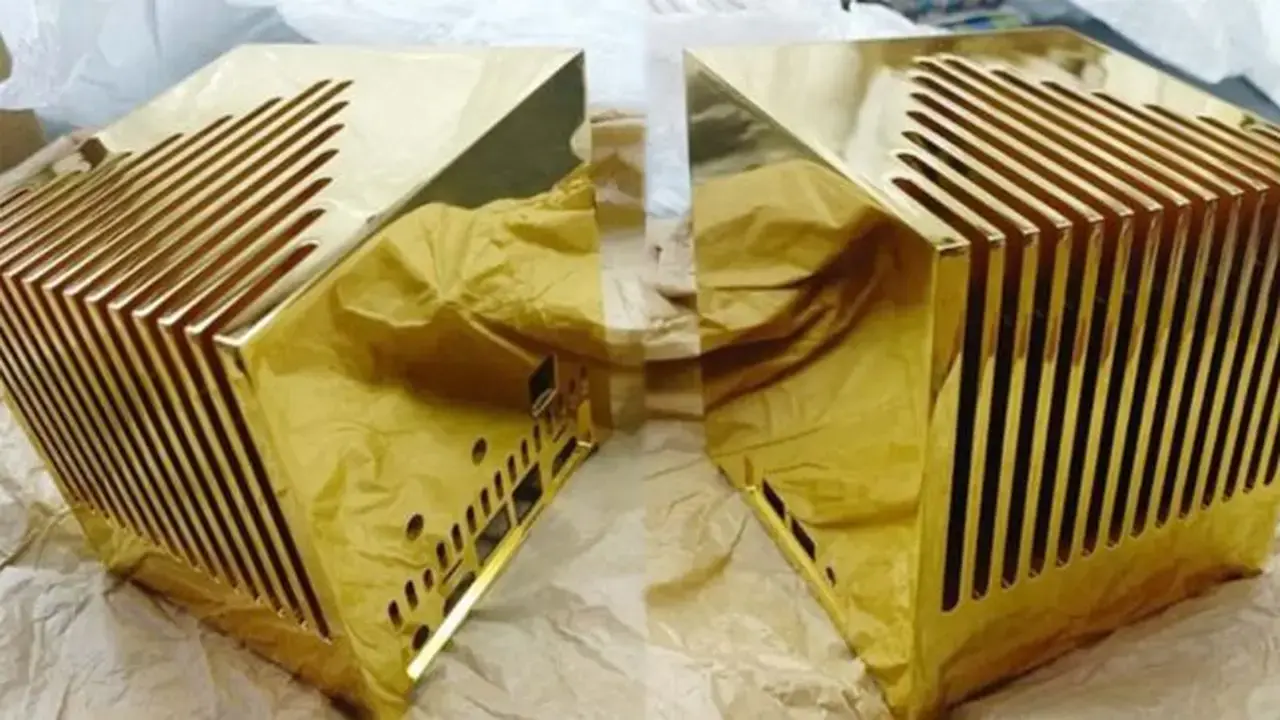
A wealthy client has commissioned a unique piece of hardware that redefines luxury in the computing world by introducing a 24 karat gold fanless PC. Developed for an exclusive Kubb.eu customer, this compact 120 x 120 x 120 mm system merges high-end engineering with opulence. Unlike standard mass-produced electronics, this device serves as both a functional workstation and a high-value status symbol. While traditional PCs rely on fans to dissipate heat, this custom-built machine utilizes the superior thermal conductivity of pure gold to maintain optimal operating temperatures, proving that performance and luxury can coexist in a single, ultra-premium package.
- The 24 karat gold casing used in the construction of the PC is estimated to be worth approximately 1.7 million dollars.
- The gold chassis enhances thermal dissipation by effectively transferring heat 50 percent faster than conventional aluminum alternatives.
- Users can configure the system with high-performance hardware, including modern Intel Core Ultra or AMD Ryzen AI processors.
Gold Chassis Ensures Advanced Thermal Efficiency
The primary engineering challenge for any fanless computer is the management of heat generated by powerful processing components. In standard models, heat is usually managed through active cooling fans or complex liquid systems. However, this bespoke gold Kubb PC operates through passive cooling, leveraging the physical properties of its precious metal housing. Because gold possesses a significantly higher thermal conductivity than aluminum, it acts as a massive, highly efficient heat sink that pulls warmth away from the internal chips to the exterior surface.
This material choice significantly impacts the physical profile of the computer. While a standard aluminum version of this device typically weighs about 2.1 kilograms, the gold-plated edition reaches a substantial 13 kilograms. This dramatic increase in mass is a direct result of the density of the 24 karat gold used in the construction, highlighting the sheer volume of precious metal required to achieve this unique cooling performance.
Modern Hardware Delivers Exceptional Processing Power
Beyond its exterior appearance, the device is built to handle professional-grade computing tasks. Owners are provided with a selection of powerful, modern processors, such as the Intel Core Ultra 5 225H, the Intel Core Ultra X7 358H, or the AMD Ryzen AI 5 340. These chips ensure that the machine remains relevant for data-intensive workflows despite its specialized design.
Furthermore, the system supports up to 128 GB of DDR5 RAM, allowing it to function as a robust tool for demanding software environments. The absence of cooling fans results in a completely silent operation, making it an ideal choice for quiet office environments or luxury home setups where noise pollution from hardware is undesirable. The integration of high-performance components ensures that the device functions as a true workstation rather than a mere decorative object.
Manufacturing Costs Reach Unprecedented Levels
The financial scale of this project is perhaps its most discussed aspect. Industry experts estimate that the raw gold required for the casing alone amounts to a value of 1.7 million dollars, firmly positioning this machine as one of the most expensive personal computers ever created. Rather than being a mass-market product, it stands as a one-of-a-kind, bespoke commission that targets the upper echelon of technology collectors. It remains a testament to what is possible when budget is no longer a constraint in the pursuit of custom computing solutions.
Given the extreme valuation of the materials used, do you believe that a 24 karat gold PC is a practical investment for superior cooling, or should such a device be reserved purely as a luxury collector’s item? Please share your thoughts on whether this level of opulence is justified in modern computing.
Your comment has been submitted,
it will be published after approval.