
Google Assistant Era Ends as Gemini Takes Over Android

Google has officially initiated the final phase of its transition from Google Assistant to Gemini on Android devices across the United States and Europe. Starting in early September, the tech giant accelerated a roadmap originally slated for 2025 and 2026, effectively replacing the long-standing digital assistant with its advanced AI model, Gemini. This mandatory shift, confirmed by recent software updates, fundamentally changes how mobile users interact with their smartphones, tablets, and connected peripherals. As of the latest stable and beta releases, the option to revert to the traditional Google Assistant has been permanently removed from the user interface.
- Google has officially discontinued the option to revert to the traditional Google Assistant on Android mobile devices.
- The Gemini AI model now functions as the default assistant for all system-level voice interactions and navigation.
- The transition affects a wide range of hardware, including mobile phones, tablets, Wear OS devices, and Android Auto.
- Home automation devices like Google Nest and Home speakers currently remain unaffected by this software update.
The Option to Revert is Being Removed
The latest updates to the Google application, specifically versions 17.60 and 17.62, have eliminated the “Switch to Google Assistant” shortcut previously located within the account menu settings. This indicates that Google is enforcing a complete transition to Gemini, leaving no pathway for users to roll back to the legacy assistant. 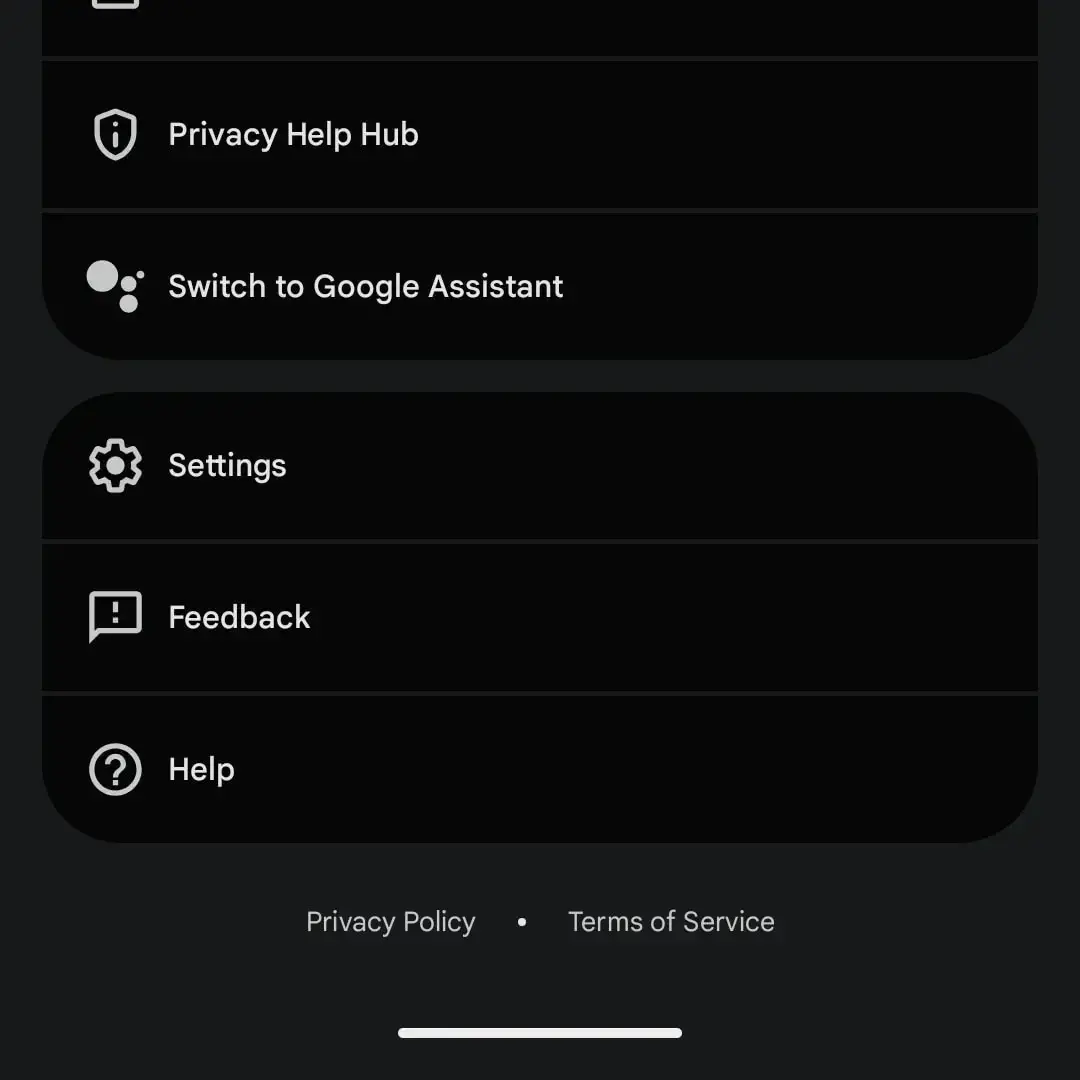
This restriction is comprehensive, impacting not only standard smartphone interactions but also specialized platforms like Wear OS, Bluetooth-connected headphones, and the Android Auto interface. When users perform standard actions—such as long-pressing the power button or swiping from the corners of the screen—Gemini is now the sole interface that launches. By removing the toggle, Google has effectively locked the ecosystem into its new AI-centric framework, signaling that the company is prioritizing generative AI capabilities over the previous iteration of its voice-activated tool.
Smart Home Ecosystems Remain Unaffected
Despite the aggressive shift in the mobile sector, Google has not announced any similar changes for its smart home hardware line. Devices under the Google Nest and Google Home umbrella, including smart speakers and displays, continue to operate using the legacy Google Assistant architecture. 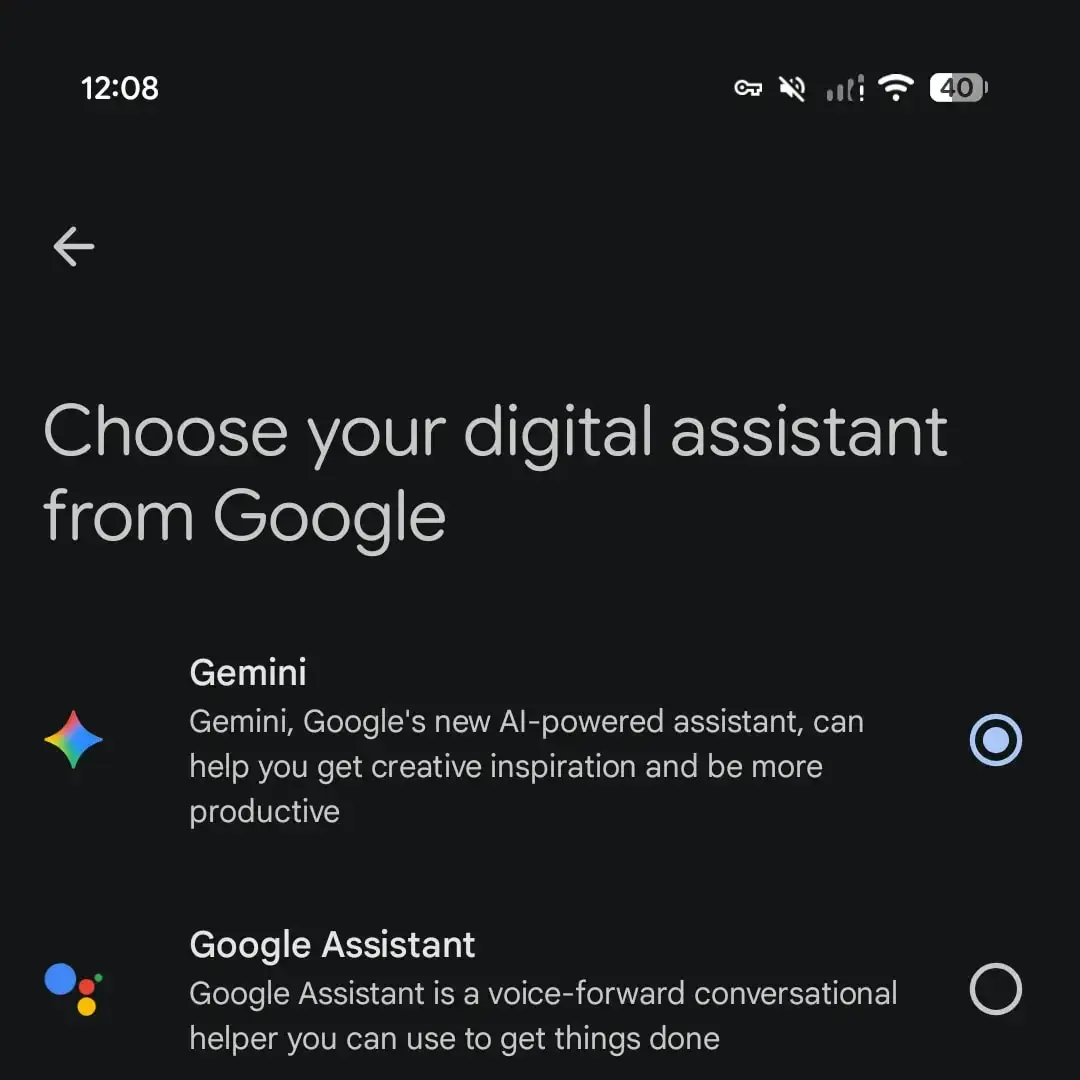
The company has yet to provide a timeline or technical details regarding when, or if, these stationary devices will receive a mandatory migration to Gemini. For the time being, users can continue to manage their connected home environments, lighting, and security systems using the familiar voice commands they have used for years. This creates a temporary split in the user experience where mobile devices utilize the newer, generative-focused assistant while fixed home hardware relies on the established, task-oriented platform.
This strategic move underscores Google’s commitment to positioning Gemini as the cornerstone of its mobile software strategy. While many features from the previous assistant have been successfully integrated into the new AI, the transition marks a definitive end to a decade-long era of voice-controlled mobile assistance. As Google continues to push the boundaries of artificial intelligence, users are being pushed toward a more sophisticated, albeit mandatory, conversational interface.
How do you feel about the permanent shift from Google Assistant to Gemini on your mobile device, and have you found the new AI to be more efficient for your daily tasks?
Your comment has been submitted,
it will be published after approval.