
ASELSAN Demonstrates KANGAL and EJDERHA Against Drone Threats

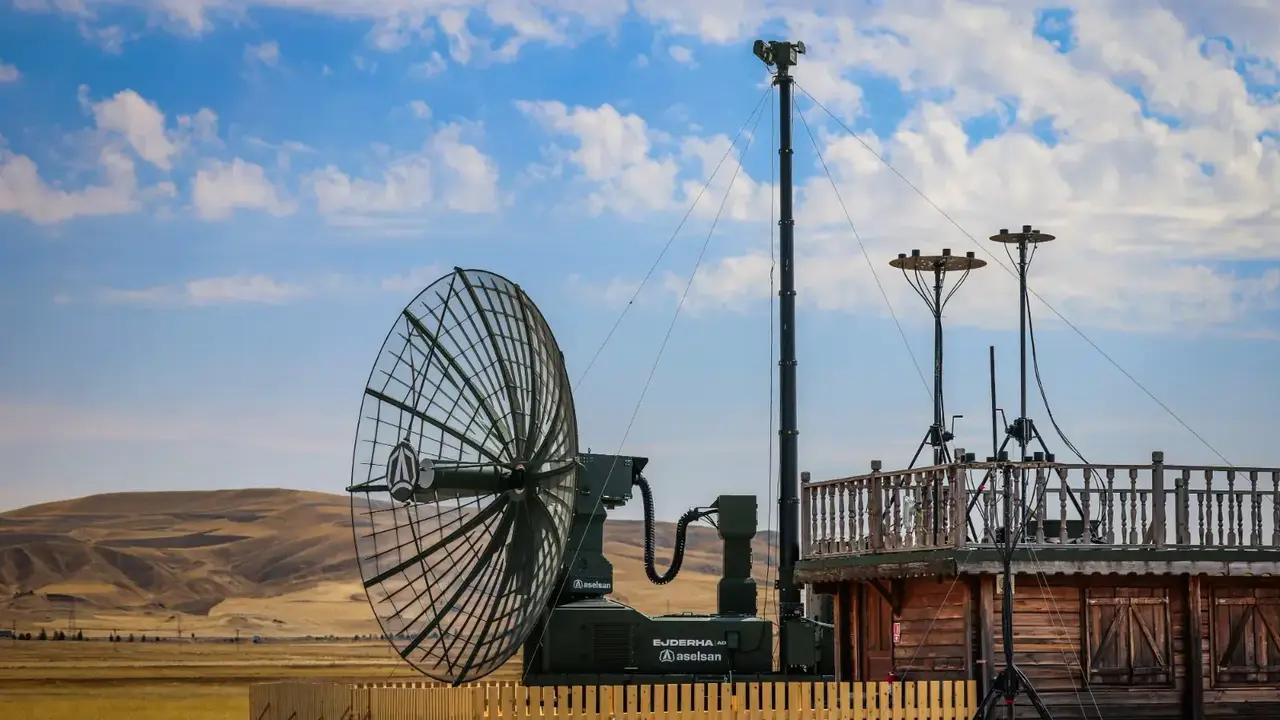
Turkish defense giant ASELSAN has successfully showcased its latest anti-drone solutions, KANGAL and EJDERHA, during an extensive demonstration held at the Gölbek Shooting and Test Center. In a move to counter the rising threat of FPV and kamikaze drones that have reshaped modern battlefield dynamics, the company tested its advanced systems against various aerial targets. By utilizing sophisticated detection, tracking, and neutralization techniques, these systems successfully neutralized incoming threats. This recent field test marks a significant milestone for ASELSAN in its pursuit to provide comprehensive security against mini and micro-UAVs, ensuring that critical infrastructure and border regions remain protected from evolving asymmetric warfare tactics.
- ASELSAN conducted live field tests at the Gölbek Shooting and Test Center to evaluate the effectiveness of its latest electronic warfare systems.
- The KANGAL FPV 100 system utilizes reactive jamming to disrupt command-and-control links of incoming drones.
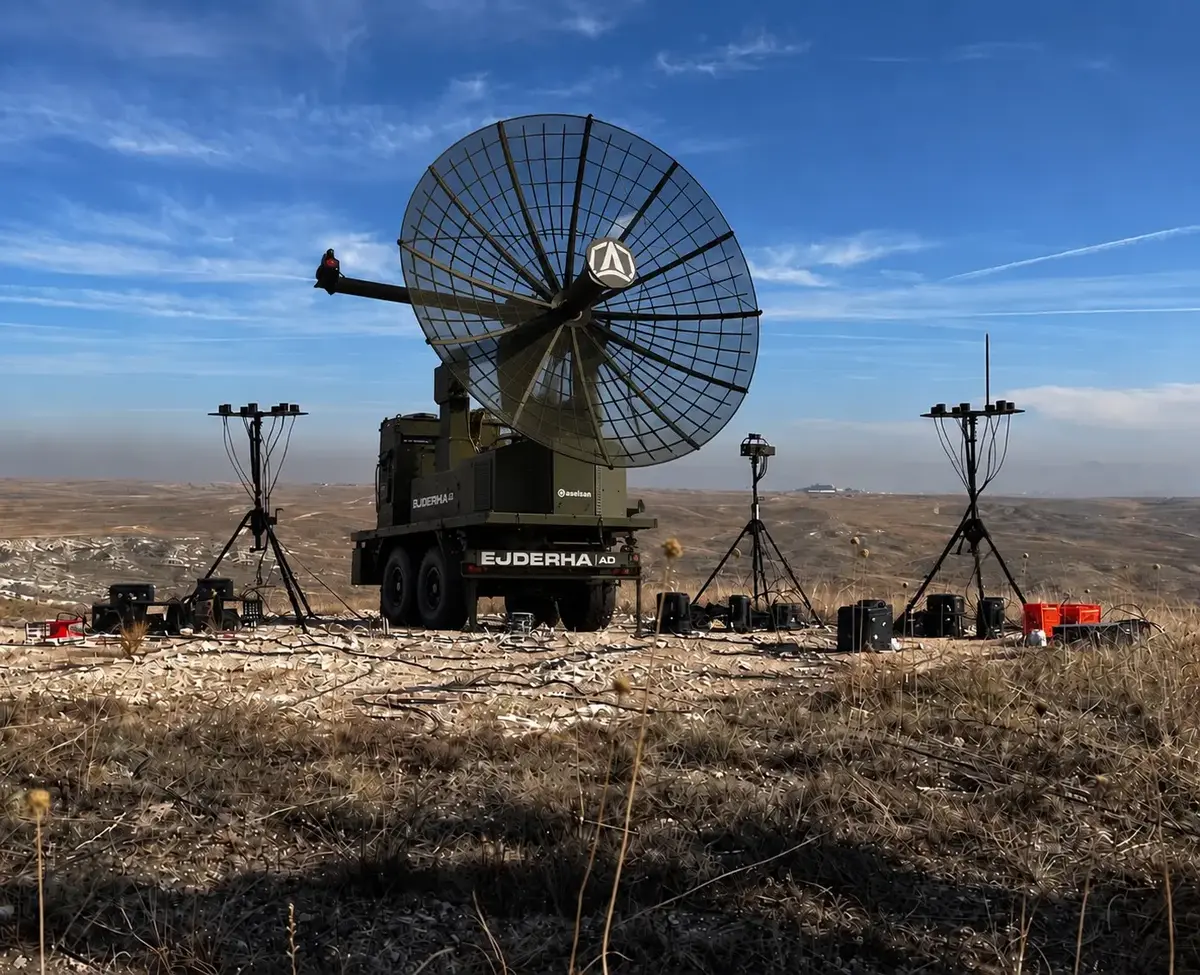
- The EJDERHA AD 210 platform employs high-power electromagnetic pulses to cause physical or functional damage to electronic circuits.
- These integrated solutions provide a layered defense architecture capable of neutralizing both wired and wireless aerial threats.
Layered Electronic Warfare Architectures Provide Enhanced Protection
The proliferation of First-Person View (FPV) drones has dramatically altered the nature of contemporary conflicts, particularly observed in the ongoing war in Ukraine. Recognizing that no single system can effectively counter every type of drone profile, ASELSAN has developed a layered electronic warfare architecture. This multi-layered approach ensures that operators can engage different categories of threats using specialized technology. During the recent tests, both the KANGAL FPV 100 and EJDERHA AD 210 demonstrated their complementary capabilities, which are essential for maintaining localized air superiority in contested environments.
KANGAL FPV 100 Disrupts Enemy Communication Protocols
The KANGAL FPV 100 acts as a sophisticated jamming and blinding system designed specifically to target the command-and-control, data link, and telemetry lines of mini and micro-UAVs. By integrating with the MİRKET 200 RF detection unit, the system identifies target signals and initiates reactive jamming. It is highly effective against global GNSS networks, including GPS, GALILEO, GLONASS, and BEIDOU. Furthermore, its ability to disrupt analog and digital video transmission feeds ensures that enemy operators lose visual confirmation and control over their assets, effectively neutralizing them before they reach sensitive targets.
EJDERHA AD 210 Targets Internal Electronic Circuits
Unlike conventional jammers, the EJDERHA AD 210 functions as a high-powered electromagnetic anti-UAV system that operates independently of communication protocols. By emitting directed narrow-band electromagnetic energy, the system targets the internal circuitry of drones, forcing them to reboot or causing permanent hardware failure. This capability is particularly vital against wired FPV models that are immune to standard RF jamming techniques. The platform’s ability to work in tandem with radar and electro-optical systems allows for precise target locking or wide-angle area scanning, making it a versatile tool for tactical field operations.
Field Tests Confirm Superior Operational Capabilities
The performance of these systems during live-fire exercises confirmed their deterrent impact. The KANGAL FPV 100 successfully identified and neutralized various wireless FPV models by severing their video signals and command links. Simultaneously, the EJDERHA AD 210 proved its effectiveness by downing internal combustion engine drones and fixed-wing kamikaze platforms that were resistant to traditional jamming filters. The successful integration of these technologies into a unified command and control structure significantly enhances the ability of security forces to manage drone swarms and protect strategic assets.
How do you evaluate the importance of localized electronic warfare systems in modern border security? We welcome your thoughts on how these technologies might influence future tactical engagements in the comments section below.
Your comment has been submitted,
it will be published after approval.