
Samsung Commences Mass Production of Exynos 2700 Chipset


Samsung has officially initiated the mass production phase of the Samsung Exynos 2700, marking a significant milestone in its semiconductor strategy. According to industry reports from The Elec, the company has ramped up its production targets by over 10 percent compared to the previous Exynos 2600 generation. This surge is primarily driven by the inclusion of the newly introduced Galaxy S27 Pro model within the upcoming product lineup. By accelerating the manufacturing process, Samsung aims to ensure a stable supply of chips for all variants of its next-generation flagship series, balancing regional demand with performance requirements across global markets.
- Samsung has increased production capacity for the Exynos 2700 to accommodate the expanded Galaxy S27 series.
- Regional deployment strategies will utilize the Exynos 2700 in Europe and Korea, while Snapdragon processors will power US and Chinese models.
- The Exynos 2700 utilizes advanced 2nm GAA fabrication technology to improve efficiency and processing speed.
- Internal benchmarks indicate the Exynos 2700 outperforms rival chips in multi-core performance tests.
Regional Distribution Strategies Remain Defined
The company maintains a split-processor strategy for its flagship smartphone rollout. While the standard, Plus, and the new Pro models will feature the Exynos 2700 in the Korean and European markets, the United States and Chinese markets will continue to rely on the Snapdragon 8 Elite Gen 6 chipset.  This geographical segmentation allows Samsung to optimize supply chain logistics while managing regional performance expectations and competitive pricing.
Ultra Model Specifications Still Remain Uncertain
The processor choice for the Galaxy S27 Ultra remains a point of internal deliberation. While the Samsung System LSI division advocates for the Exynos 2700 to demonstrate its flagship-tier capabilities, the final decision rests with the Samsung MX division. The latter is currently performing rigorous evaluations, weighing thermal metrics, benchmark consistency, and procurement costs against the production capacity of the new silicon. The outcome of these tests will ultimately determine whether the premium model receives the internal chipset or opts for third-party hardware.
Technological Advancements Support Performance Improvements
At the heart of the new chipset lies the second-generation 2nm Gate-All-Around (GAA) production node, known as SF2P. This technology represents a substantial leap over the original SF2 node, delivering a 12 percent boost in performance alongside a 25 percent reduction in power consumption. Furthermore, the chip architecture has been upgraded to feature Arm C2 CPU cores, replacing the previous C1 generation. 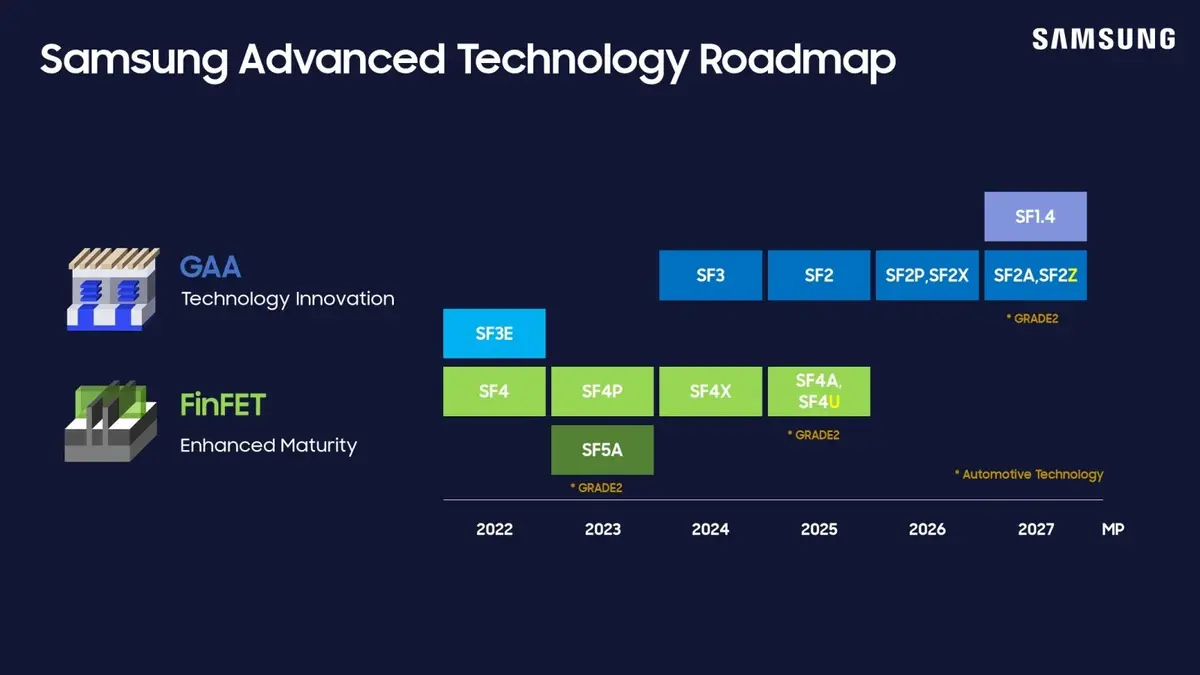 These technical refinements suggest a robust improvement in overall computational efficiency.
Competitive Metrics Shape Future Expectations
Internal performance evaluations reveal that the Exynos 2700 excels in multi-core Geekbench testing, surpassing the Snapdragon 8 Elite Extreme Gen 6 by approximately 9.5 percent. Although the Qualcomm alternative maintains a slight lead in single-core scenarios, the overall power of the Exynos 2700 positions it as a formidable competitor. With a standard three-to-four-month window required from mass production to product launch, the industry anticipates a formal release of the Galaxy S27 series in early spring. These developments highlight Samsung’s ongoing commitment to narrowing the gap between its proprietary silicon and industry-leading alternatives.
We would love to hear your perspective on Samsung’s evolving chipset strategy; do you believe the Exynos 2700 will meet your performance expectations for the upcoming flagship series?
Your comment has been submitted,
it will be published after approval.