
Google Pixel 11a Leaks Reveal Major Hardware Upgrades


The upcoming Google Pixel 11a has surfaced in early design leaks, providing a detailed look at what users can expect from the next iteration of Google’s popular mid-range smartphone series. Expected to arrive in early 2027, the device maintains the familiar aesthetic established by its predecessors while introducing significant internal hardware improvements. By focusing on enhanced performance through the integration of the Tensor G6 processor and a new MediaTek modem, Google aims to solidify the device’s position in the competitive mid-range market. As details regarding the display brightness and software longevity continue to emerge, the Pixel 11a appears poised to set a new standard for the series.
- The Google Pixel 11a features the new Tensor G6 processor alongside an upgraded MediaTek modem.
- The display hardware receives a significant brightness boost with peak levels reaching 3,350 nits.
- Google intends to provide seven years of comprehensive software and security updates for the device.
- The starting price is projected to increase to 599 dollars due to rising component costs.
Design Aesthetics Remain Consistent
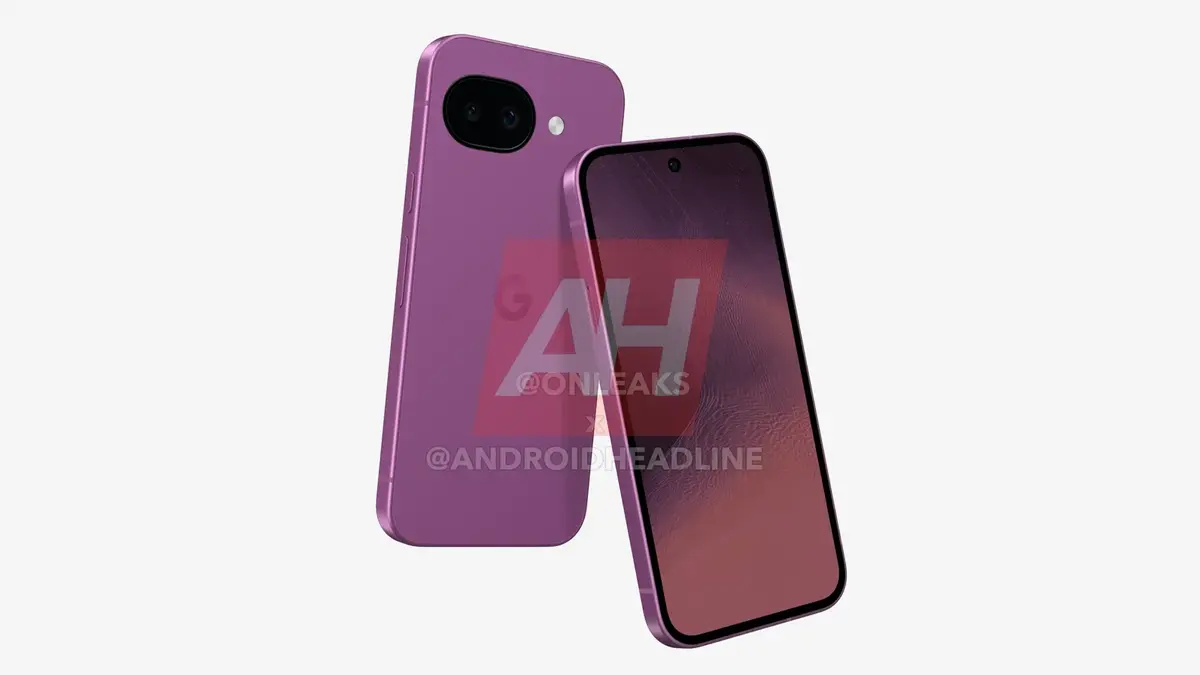
The design language of the Pixel 11a reflects a refined evolution of the path taken by the Pixel 9a and 10a models. The back camera module maintains its integrated appearance, though the oval housing has been slightly shortened. Measuring approximately 153.46 x 72.35 x 9 mm, the device remains exceptionally compact, staying slightly smaller than the previous generation. This focus on ergonomics ensures that the user experience remains consistent for those who prefer smaller handsets.

Google plans to introduce four distinct color variants for the device. While official branding is subject to change, the company is reportedly considering Obsidian for black, Mist for silver, Olive for green, and Orchid for the purple option. Beyond the color palette, the 6.3-inch 1080p display will likely retain the 60-120 Hz refresh rate. However, the screen technology will see a notable improvement in luminosity, with HDR brightness climbing to 2,250 nits and peak brightness reaching 3,350 nits.
Hardware Capabilities See Significant Improvements
Performance represents the most critical upgrade for the Pixel 11a. The inclusion of the Tensor G6 chip marks a substantial shift in processing power, which should translate into better everyday multitasking and more efficient data management through the new MediaTek modem. Despite these internal changes, the camera configuration remains relatively stable, featuring a 48 MP primary lens and a 13 MP ultra-wide sensor.
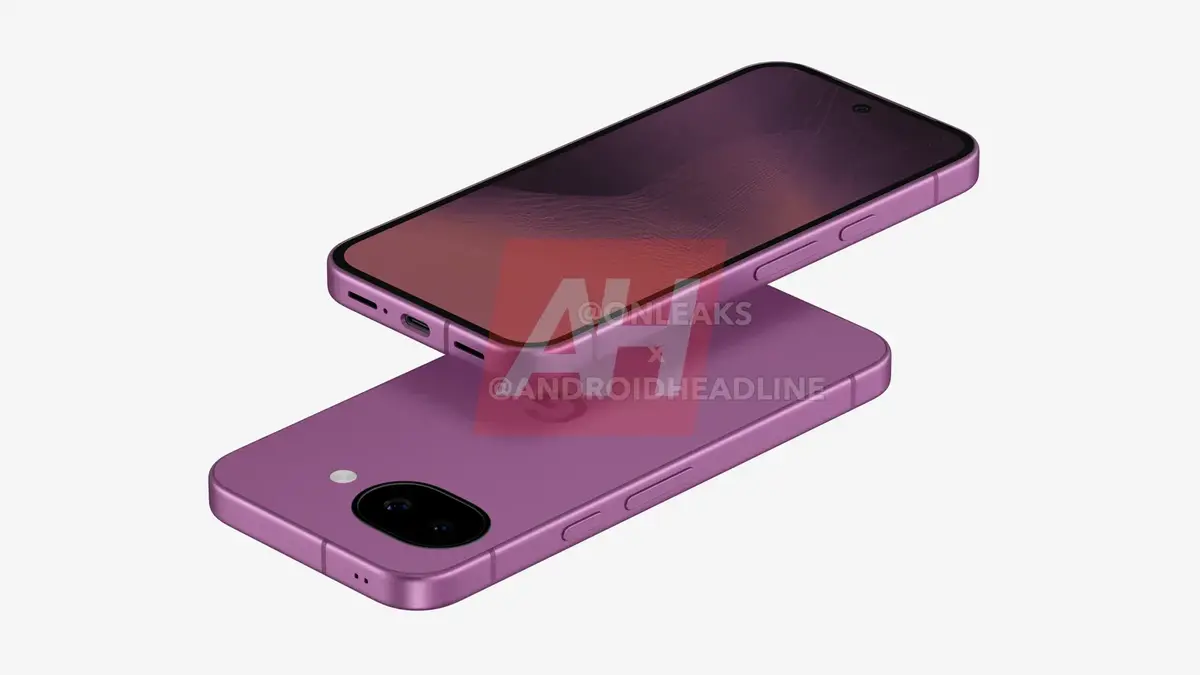
A notable change involves the front-facing camera, which is expected to receive its first major hardware refresh since the Pixel 7a. Powering the device is a battery with a nominal capacity of approximately 5,000 mAh, ensuring that the phone remains reliable throughout the day. Software support remains a highlight, as the device will ship with Android 17 and benefit from seven years of guaranteed system and security updates.
Pricing Expectations Reflect Market Realities
Industry analysts suggest that the launch date will likely fall between February and March 2027. Potential buyers should be prepared for a price adjustment, as the starting cost is expected to shift from 499 dollars to 599 dollars. This increase is attributed to the rising costs of advanced memory and storage components, as well as broader production expenses associated with the Pixel 11 series. While the price hike is significant, the hardware advancements and long-term support cycle aim to justify the investment for long-term users.
Do you believe that the performance gains provided by the new Tensor G6 processor and the expanded screen brightness justify a 100-dollar price increase for the upcoming Pixel 11a? Share your thoughts in the comments section below.
Your comment has been submitted,
it will be published after approval.