
Purchasing a Used Processor May Lead to Valorant Bans

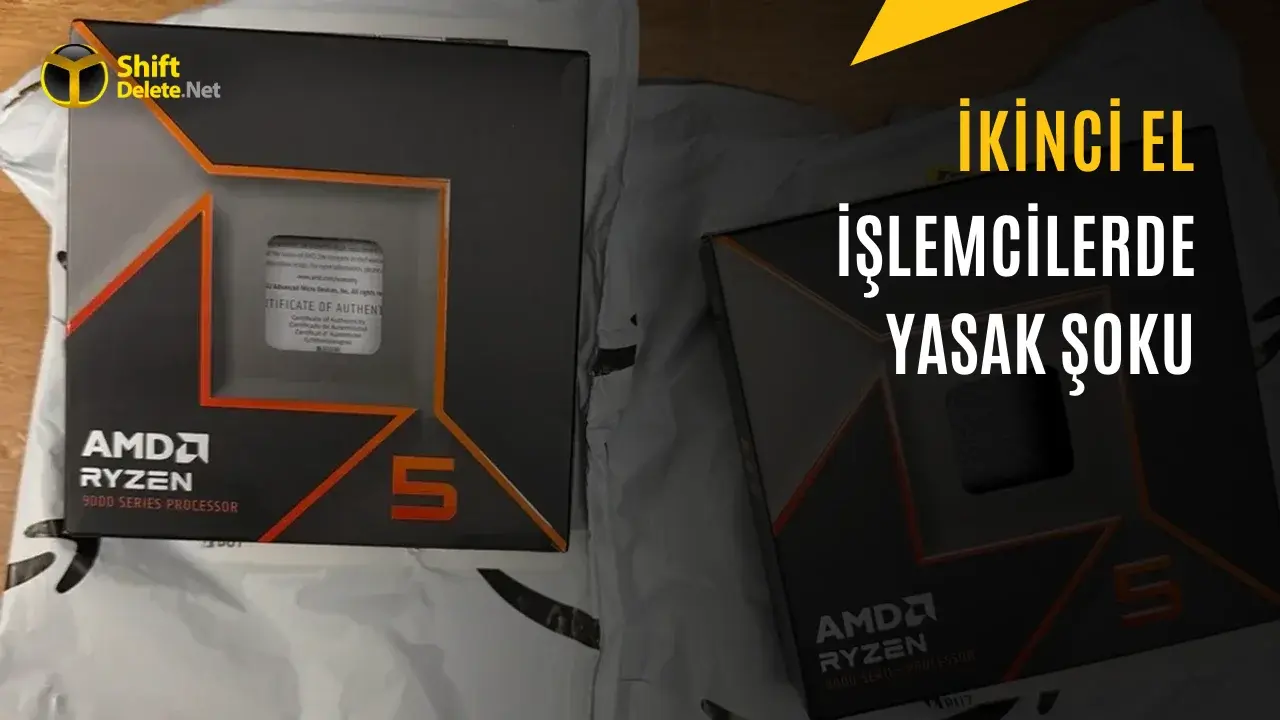
A gamer in Germany recently discovered a significant risk when purchasing used PC hardware after finding their newly acquired AMD Ryzen 7 5800X3D processor was globally blacklisted within the popular competitive shooter, Valorant. Despite the computer functioning correctly for general tasks, the user was repeatedly kicked from matches immediately upon entry. Investigations revealed that the hardware ID of this specific processor had been flagged by Riot Games’ Vanguard anti-cheat system due to cheating activities committed by the previous owner. This incident highlights the growing challenge for consumers navigating the second-hand market, where hardware-level bans can unexpectedly penalize innocent buyers.
- The Vanguard anti-cheat system enforces hardware bans by locking specific component IDs associated with cheating activities.
- A used processor purchase can result in a four-month ban if the hardware was previously linked to a prohibited account.
- Riot Games confirms that these hardware-specific restrictions are limited to the game and eventually expire after a set period.
- No official verification method currently exists for buyers to confirm if a piece of hardware has been blacklisted before completing a transaction.
Vanguard Systems Impose Hardware Bans
The situation faced by the German player illustrates how strictly modern anti-cheat solutions like Vanguard operate. When the player contacted Riot Games support, it was confirmed that the processor was added to a blacklist on August 12, 2026, roughly six weeks before the user purchased it. Because the anti-cheat system identifies computers based on unique hardware identifiers, the ban persists regardless of who owns the component. The developer noted that this specific hardware restriction carries a four-month duration, meaning the new owner must wait for the penalty to expire before the processor can be used for Valorant again.
Risks Exist in Second-Hand Marketplaces
Acquiring used computer parts has long been a cost-effective strategy for enthusiasts, yet this case demonstrates an unavoidable lack of transparency. Currently, there is no public database or diagnostic tool that allows a potential buyer to check the “cleanliness” of a component against various anti-cheat databases. This creates a scenario where a buyer might pay full price for a high-end component only to find it restricted from competitive play. While this particular ban was temporary, other developers and platforms may implement permanent hardware restrictions that remain attached to the component indefinitely, complicating the resale value of high-end CPUs and motherboards.
Technical Limitations Complicate Resolution
Hardware bans typically target core components like the CPU or motherboard to ensure that simply reinstalling the operating system or changing the storage drive does not bypass the security measure. While shifting to a new motherboard or processor can sometimes resolve these hardware-locked issues, it forces the user into an unnecessary and expensive upgrade. Experts suggest that players should exercise extreme caution when buying components from unverified sources. Unfortunately, because developers rarely provide detailed logs of why a hardware ID was flagged, the burden of proof often falls on the consumer, who has little recourse once the transaction is complete.
Have you ever encountered unexpected restrictions or hardware issues after buying second-hand computer components? Share your experiences and any tips you have for verifying hardware safety in the comments section below.
Your comment has been submitted,
it will be published after approval.