
AMD Challenges Nvidia RTX Spark With New Gorgon Halo Data

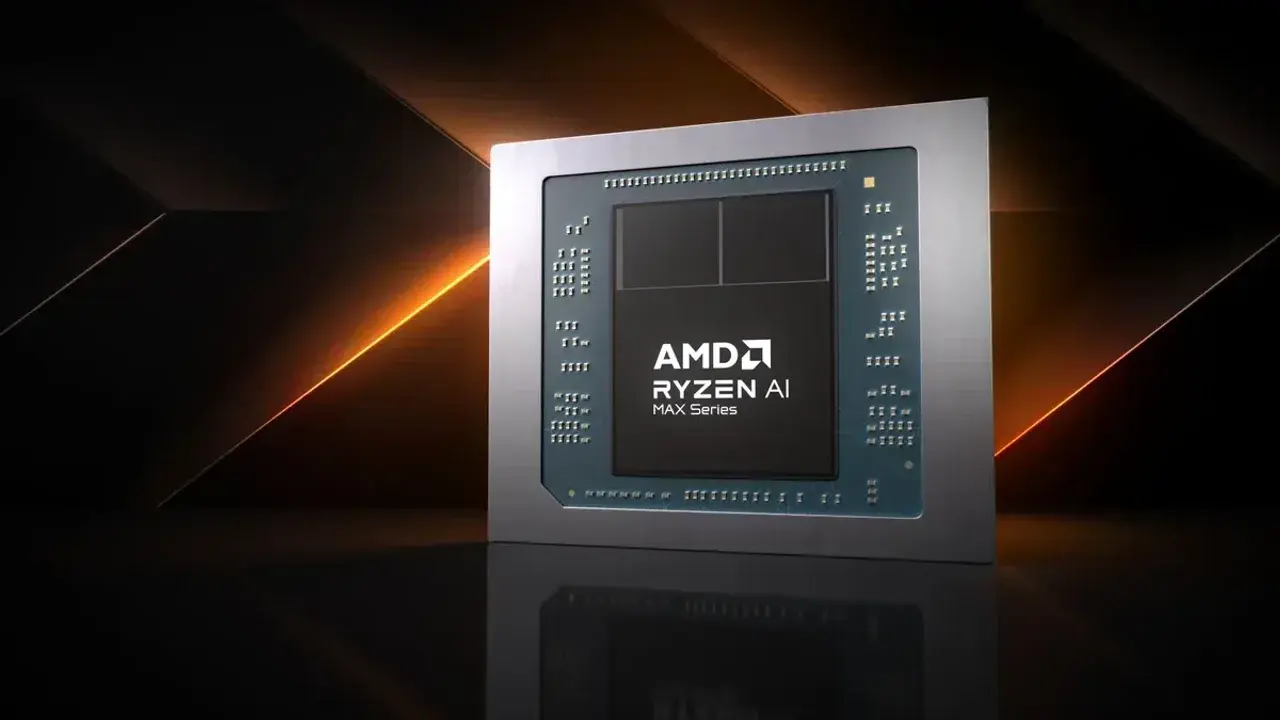
AMD has strategically released performance benchmarks for its Gorgon Halo processors ahead of a major Microsoft event scheduled for Wednesday, October 7. This move aims to counter Nvidia’s anticipated launch of the RTX Spark devices, which are expected to debut during the same industry gathering. As the competition between the two semiconductor giants intensifies, AMD seeks to solidify its market position by demonstrating the high-end capabilities of its latest architecture. The timing of this data release highlights the friction in the agentic PC market as both companies vie for dominance in the fall hardware cycle.
- AMD released new benchmark data for Gorgon Halo processors to challenge Nvidia.
- Nvidia is expected to launch RTX Spark devices during the October 7 Microsoft event.
- High-end Gorgon Halo systems are entering the market with prices exceeding $7,000.
- AMD reports shipping over 500,000 agentic PCs to date.
The tech industry is currently witnessing a massive showdown between two of the world’s leading chipmakers. AMD’s decision to share performance data for the Gorgon Halo series is a calculated preemptive strike. By revealing these figures just days before Nvidia’s RTX Spark hits the stage, AMD is attempting to frame the conversation around its own performance metrics. The Gorgon Halo architecture is specifically designed to handle the most demanding workloads, positioning it as a direct alternative to Nvidia’s latest innovations.
Gorgon Halo Competes Directly With Nvidia Chip Technology
The rivalry between AMD and Nvidia has reached a new boiling point as the fall season brings major hardware updates. AMD’s Gorgon Halo processors are engineered to compete against the RTX Spark series, which Nvidia teased late last week. These chips are not merely incremental upgrades; they represent a fundamental shift in how high-performance computing is handled on consumer and professional platforms. 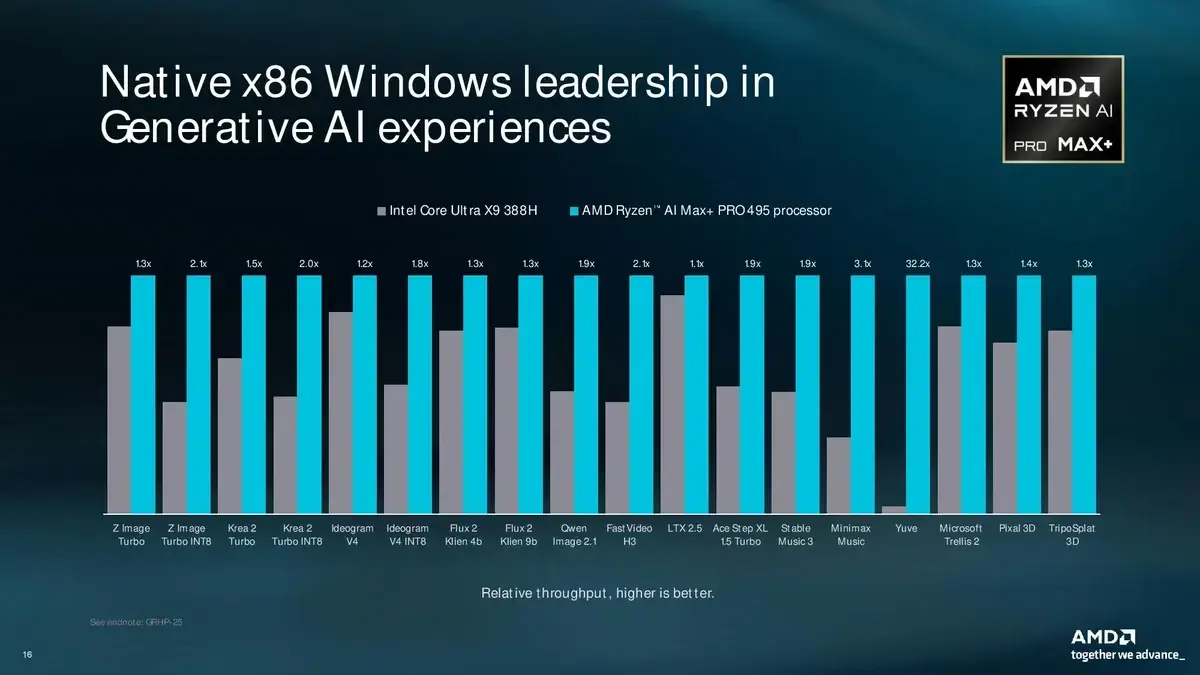 AMD’s data suggests that their new series can match or exceed the capabilities that Nvidia has promised for its upcoming release. The focus remains on how these architectures manage thermal efficiency and peak processing speeds under sustained loads.
Premium Pricing Reflects the High-End Nature of New Hardware
As the first wave of Gorgon Halo-based machines hits the market, the cost of entry is becoming clear to consumers. These devices are being marketed to the premium segment, with some configurations carrying price tags exceeding $7,099. This pricing strategy indicates that both AMD and its manufacturing partners are targeting power users, creative professionals, and researchers who require maximum throughput for complex simulations and high-fidelity rendering. 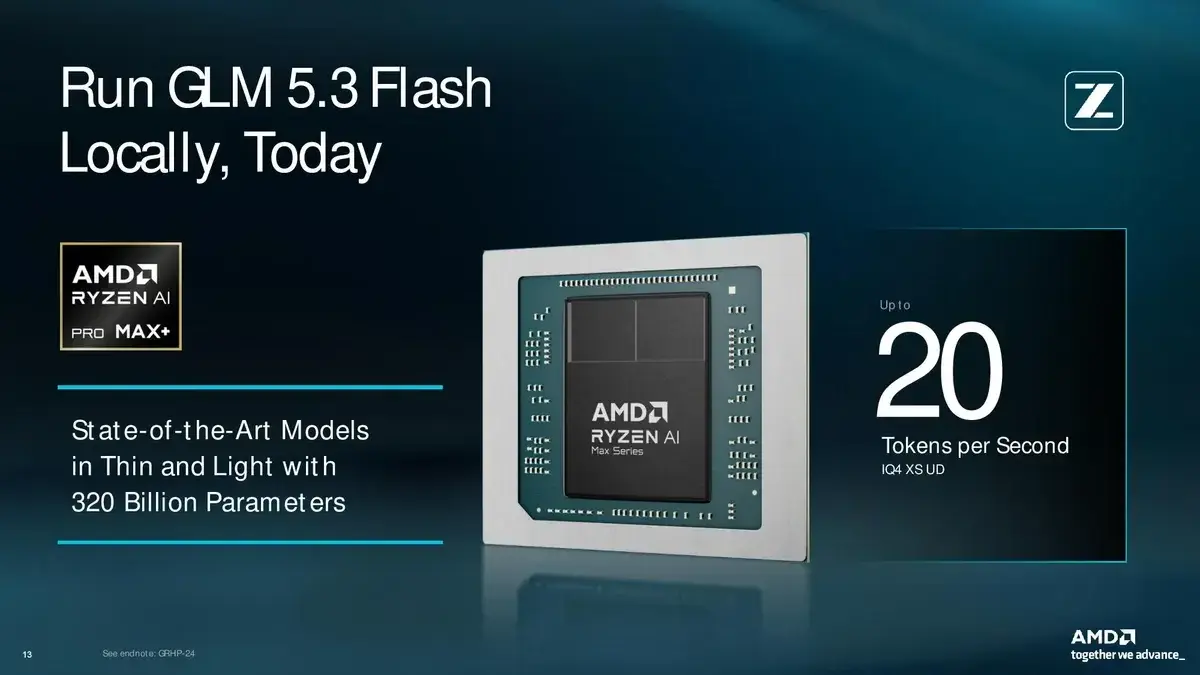 While the cost is high, the performance-per-dollar ratio will be the ultimate metric that determines whether these machines can sustain their momentum against Nvidia’s impending hardware ecosystem. Investors are watching closely to see if the market can absorb these high price points.
AMD Achieves Milestone With Half a Million Agentic PC Shipments
Beyond just raw performance numbers, AMD is also highlighting its commercial success in the emerging agentic PC category. The company recently announced that it has successfully shipped over 500,000 units in this segment. 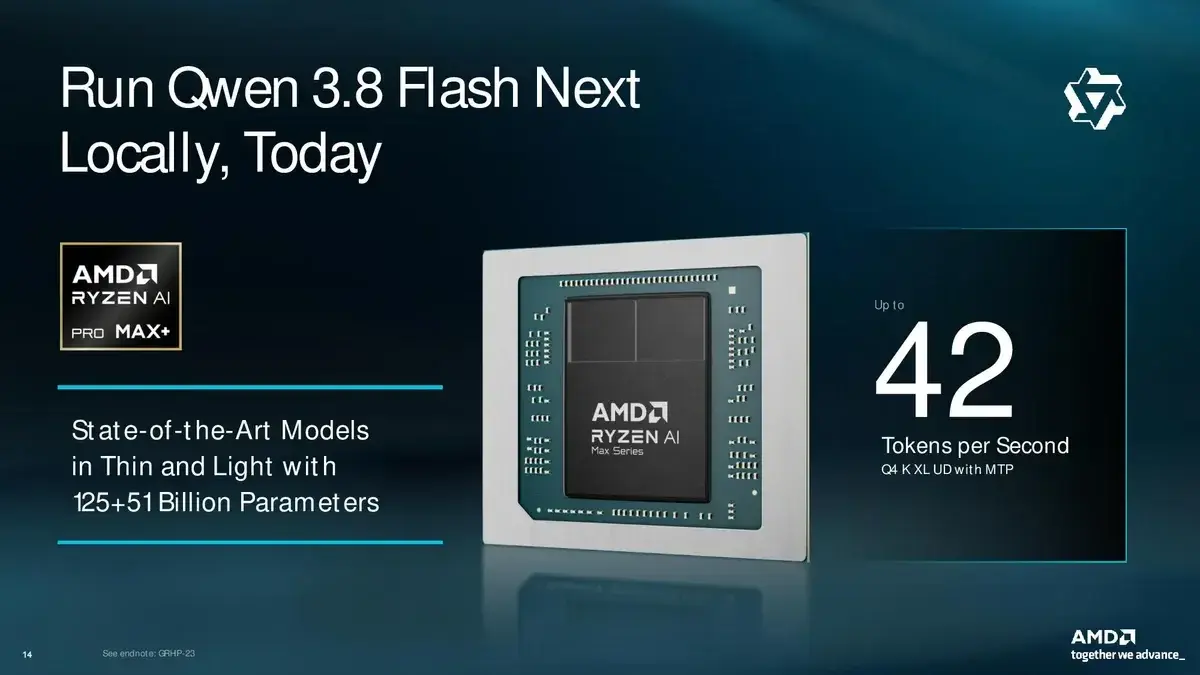 This milestone is a significant indicator of AMD’s growing footprint in the next generation of computing. The success of the agentic PC lineup is deeply intertwined with the Gorgon Halo series, as these processors provide the necessary computational power to drive advanced autonomous and AI-driven tasks that define this new class of hardware. These systems are designed to go beyond traditional computing by utilizing agentic workflows that can automate complex user requests natively on the device.
The Upcoming Microsoft Event Will Define the Market Balance
All eyes are now turned toward the Microsoft event on Wednesday, October 7. This gathering is expected to be the official launchpad for Nvidia’s RTX Spark devices, which have been the subject of intense speculation since their announcement earlier this autumn. The introduction of these devices could potentially shift the market balance, forcing AMD to continue its aggressive data-sharing strategy. The tech community is eager to see real-world benchmarks that compare the Gorgon Halo and RTX Spark in side-by-side scenarios, as these results will ultimately influence purchasing decisions for the holiday season. The outcome of this event will likely dictate the hardware trends for the first half of the coming year.
Do you think AMD’s Gorgon Halo has what it takes to outperform Nvidia’s RTX Spark in real-world scenarios, or is the $7,000 price tag too high for most users? Share your thoughts in the comments below!
Your comment has been submitted,
it will be published after approval.