
GTA 5 Browser Version Pulled Offline Hours After Launch

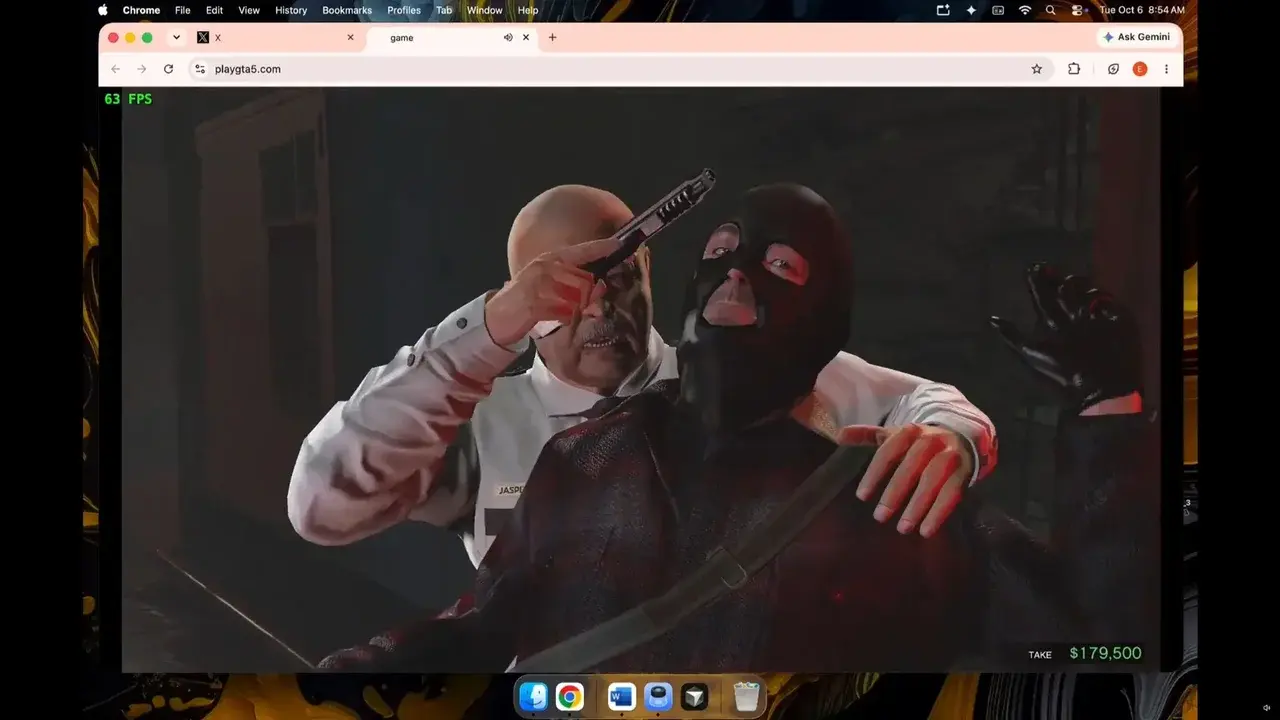
A fan-made browser version of Grand Theft Auto 5, which briefly brought the blockbuster title to web platforms, was taken offline only hours after its initial debut on October 6, 2026. Developed by Wonder Interactive founder Alex St. Louis, the project utilized WebAssembly and artificial intelligence to enable the game to run directly within a web browser. While the experimental port generated significant buzz across the tech community and social media, the website PlayGTA5.com became inaccessible almost immediately after it went live, signaling a sudden and decisive end to this high-profile technical showcase.
- The GTA 5 web project utilized WebAssembly and artificial intelligence to facilitate browser-based gameplay.
- Access to the PlayGTA5.com domain was revoked shortly after launch, resulting in a 1014 cloud error code.
- Take-Two Interactive is widely suspected of intervening due to the unauthorized use of intellectual property.
- The website content was replaced with unrelated advertisements following the abrupt shutdown of the game port.
Technical Innovations Are Challenged by Legal Constraints
The core of this project relied on WebAssembly, a sophisticated technology designed to allow high-performance applications to execute within modern web browsers. By leveraging AI-assisted development, the team managed to bridge the gap between complex game engines and web environments. This achievement highlighted the evolving capabilities of browser technology, demonstrating that even massive, resource-heavy titles could theoretically transition to cloud-based or browser-first delivery models.
However, the project’s rapid disappearance suggests that technical feasibility does not equate to legal viability. When users attempted to access the site, they were greeted with a Cloudflare 1014 error, which typically indicates a DNS or server-side configuration issue often associated with legal takedowns. Shortly thereafter, the site’s content was replaced with an antiquated 1970s food advertisement, effectively scrubbing the project from the public web.
Take-Two Interactive Maintains Strict Intellectual Property Standards
Take-Two Interactive has long maintained a reputation for its aggressive protection of its intellectual property. The company frequently takes swift legal action against unauthorized ports, mods, or remakes that utilize their proprietary assets. Although no official statement has been released regarding the shutdown of this specific browser version, industry observers believe that the company exerted pressure to cease operations immediately due to copyright infringement concerns.
The unauthorized use of game source code and assets provides a clear legal foundation for such actions. Even though the browser version is no longer active, fragments of the project remain visible in various online archives, serving as a reminder of the permanent nature of digital content. These archival traces continue to fuel discussions regarding the preservation of experimental software and the delicate balance between fan creativity and corporate ownership.
Future Potential of Browser-Based Gaming Remains Uncertain
The experiment serves as a significant case study for the future of gaming portability. It demonstrates that as AI tools continue to improve, the barrier to porting AAA games to non-traditional platforms is lowering. Developers are increasingly capable of pushing the limits of what browsers can handle, yet the legal environment remains the most significant hurdle for these ambitious projects.
While this specific attempt to bring GTA 5 to the browser has concluded, the underlying technology continues to advance. Whether future projects will find a way to operate within the legal boundaries set by publishers or if stricter enforcement will stifle such innovation remains a major question for the industry. As the line between native applications and web-based experiences blurs, the tension between developers and rights holders will undoubtedly continue to shape the evolution of interactive media.
Do you believe that AI-assisted ports like this represent the future of accessible gaming, or do you think strict copyright enforcement is necessary to protect the industry? Share your thoughts in the comments section below.
Your comment has been submitted,
it will be published after approval.