
ASUS ProArt P16 Launches: Local AI Powerhouse Arrives in Turkey

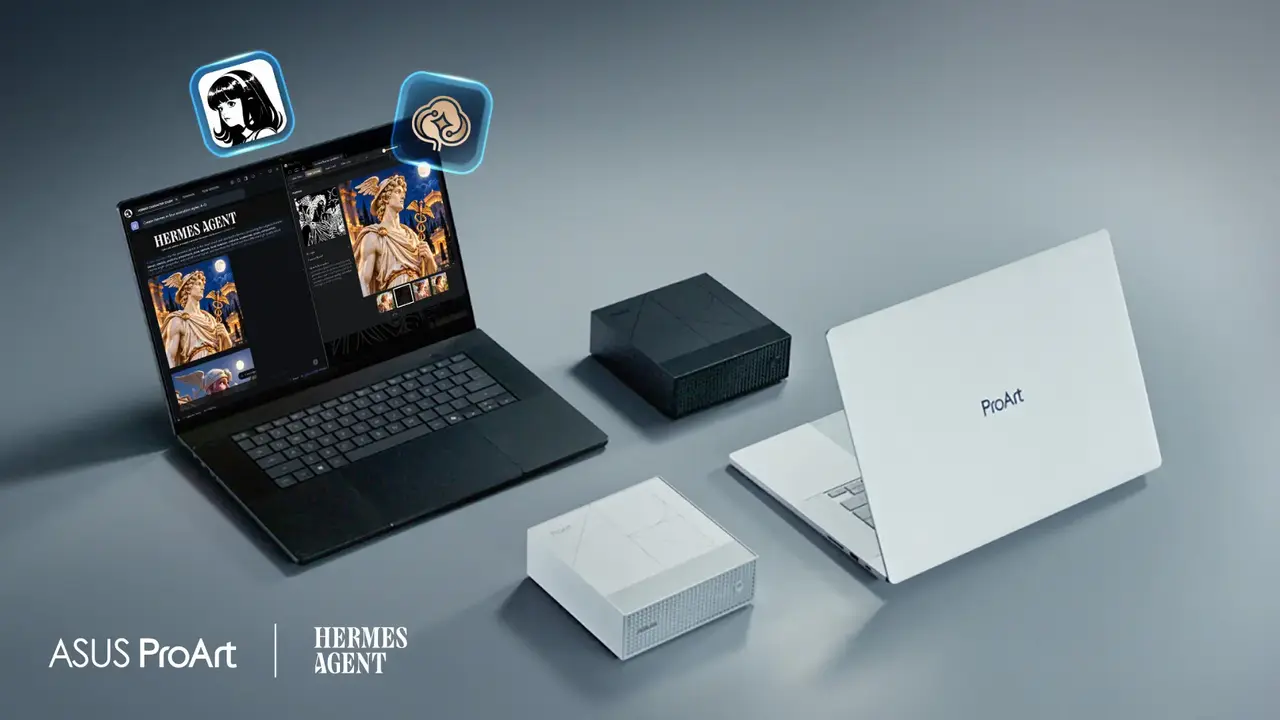
ASUS has officially introduced its latest flagship laptop, the ProArt P16, to the Turkish market, marking a significant milestone for content creators and AI developers. Designed to eliminate dependence on cloud computing, this powerful device utilizes the NVIDIA RTX Spark platform to enable the local execution of massive AI models directly on the hardware. By integrating high-end workstation performance into a sleek, portable chassis, ASUS aims to redefine mobile productivity. The device is currently available for pre-order in Turkey, offering professionals a robust solution for complex computational tasks that were previously restricted to stationary server environments.
- The ProArt P16 utilizes the NVIDIA Grace CPU and Blackwell RTX architecture to achieve up to 1 petaflop of AI computing power.
- A unified memory architecture of up to 128 GB allows users to run large language models and complex 3D rendering tasks locally.
- The device features a 16-inch ASUS Lumina Pro OLED display that offers professional-grade color accuracy and high brightness levels.
- The laptop is available for pre-order in the Turkish market with a starting price of 254,999 TL.
NVIDIA RTX Spark Technology Enhances Performance
The ProArt P16 represents a fundamental shift in hardware architecture by leveraging the ultra-efficient NVIDIA Grace CPU alongside the powerful Blackwell RTX GPU. These components communicate via NVIDIA’s NVLink-C2C interconnect technology, which significantly boosts data transfer speeds. With fifth-generation Tensor Cores that support FP4, the laptop delivers up to 1 petaflop of AI processing capability. 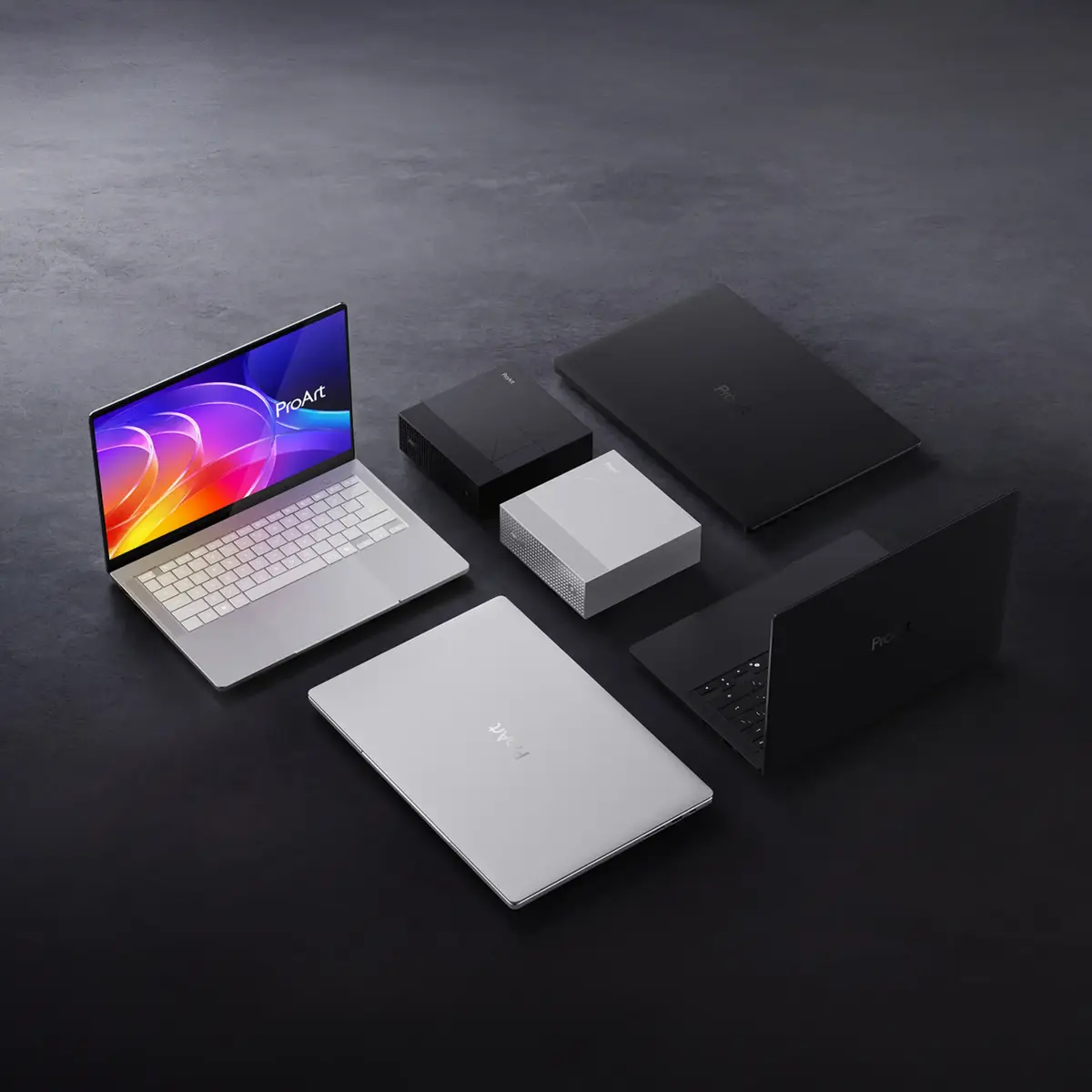 This configuration effectively removes the traditional VRAM bottlenecks that often hinder professional creative workflows, ensuring that local large language models and high-resolution video pipelines operate without interruption.
Local AI Processing Provides Strategic Advantages
Operating AI models locally offers several critical benefits for professional developers and creative studios. By moving away from cloud-based pay-per-token models, users can achieve predictable operational costs while maintaining full control over their hardware. Furthermore, data security is greatly enhanced, as sensitive project files and prompts remain stored entirely on the device. This approach allows developers to customize and optimize open-source tools independently, providing a secure environment for proprietary intellectual property.
Software Integration Simplifies Complex Workflows
ASUS has complemented the powerful hardware with an advanced software ecosystem to streamline user tasks. The integration of the Nous Research Hermes autonomous AI partner allows the system to execute complex duties across various applications by utilizing the shared memory pool. Additionally, the inclusion of ComfyUI support ensures that advanced image generation models like FLUX and WAN function efficiently without incurring cloud costs. Proprietary software tools, such as the Zenni Claw assistant and StoryCube media organizer, further optimize hardware management for everyday production needs. 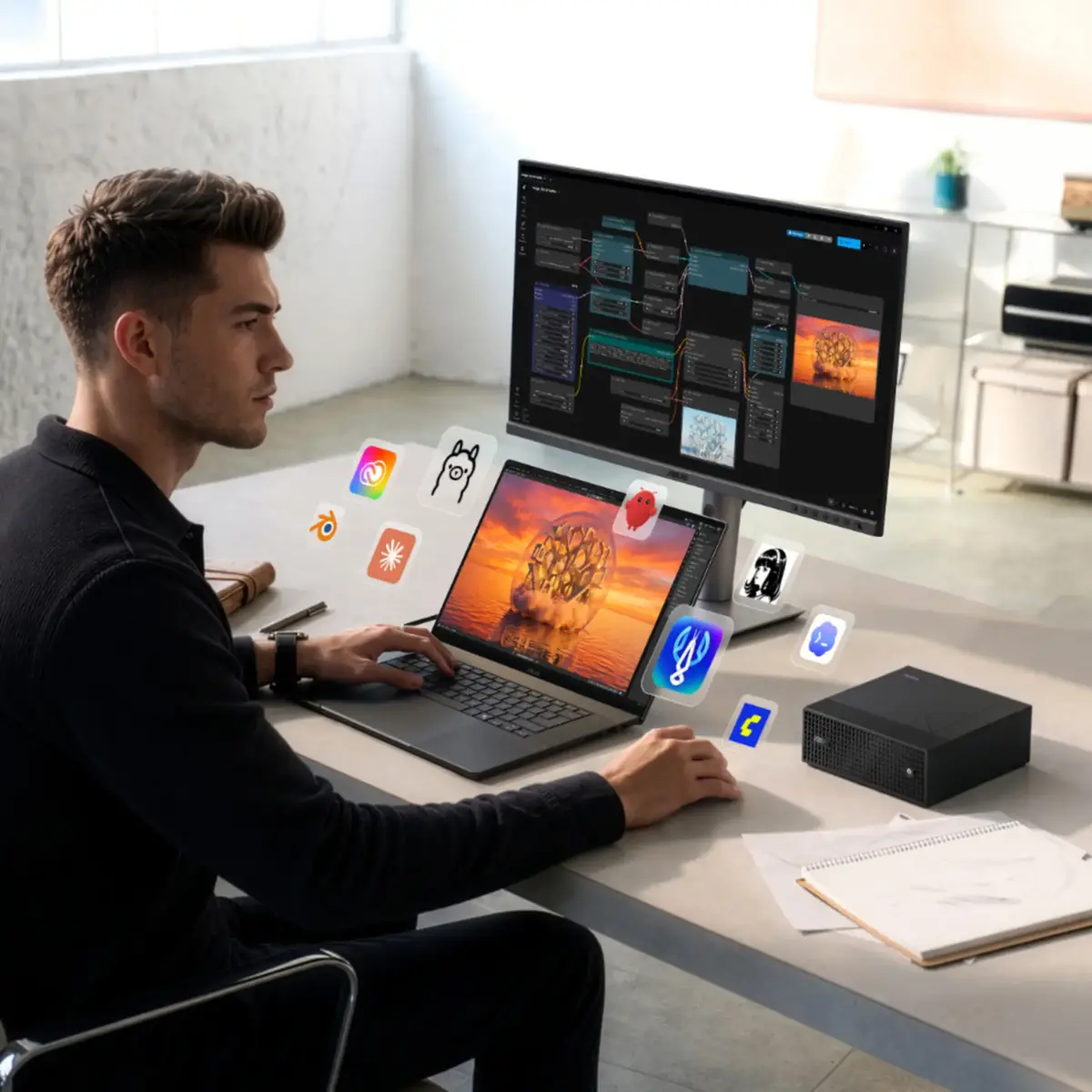
Design Specs Define the New Portable Standard
Despite housing workstation-grade components, the ProArt P16 remains remarkably portable, measuring just 12.9 mm in thickness and weighing only 1.77 kg. This makes it the thinnest 16-inch model in the ProArt series to date. To ensure longevity during mobile work sessions, the chassis includes a 99 Wh battery. The visual experience is powered by an ASUS Lumina Pro OLED panel, which delivers a 120 Hz refresh rate and 1,600 nits of peak brightness, ensuring that professionals can work with precision in any environment.
Given the shift toward local AI processing, how do you think the ProArt P16 will change the way creative studios manage their data security and project costs? Share your thoughts in the comments section below.
Your comment has been submitted,
it will be published after approval.