
Apple Prepares to Launch the Ultra-Thin iPhone Air 2

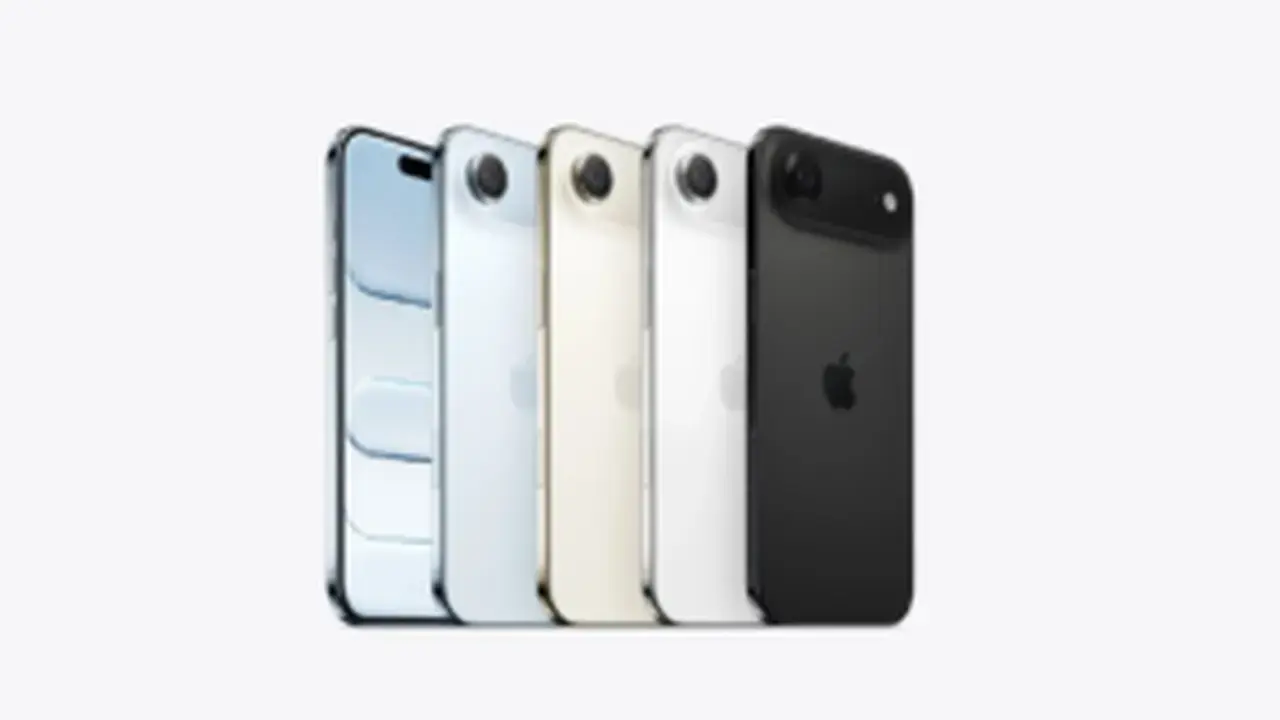
Apple is reportedly preparing to revolutionize its smartphone lineup with the upcoming iPhone Air 2, a device expected to redefine thinness in the mobile industry. According to industry leaks originating from South Korean sources, the tech giant plans to launch this ultra-slim handset in the spring of 2027. The project aims to rectify the performance and battery limitations of its predecessor while maintaining a sleek, aesthetic profile. By integrating advanced hardware, including the powerful A20 Pro chipset, Apple intends to deliver a premium user experience that bridges the gap between ultra-portable design and high-end processing capabilities.
- The iPhone Air 2 will feature an ultra-slim 5.2 mm body design.
- Engineers are incorporating high-density 3,500 mAh battery cells to improve longevity.
- A dual-camera system with 48 MP sensors will replace the single-lens setup.
- The device will utilize the advanced A20 Pro chipset for enhanced power efficiency.
Engineers are Targeting a Record-Breaking Slimness
Leaked reports from the Naver forum suggest that the iPhone Air 2 will measure only 5.2 mm in thickness, marking a significant reduction from previous iterations. Apple remains committed to using advanced materials, such as a reinforced titanium frame, to ensure the device remains durable despite its extreme slimness. This structural choice prevents bending while keeping the phone exceptionally lightweight. By leveraging the latest innovations in material science, Apple aims to offer a device that feels nearly weightless in the pocket without compromising its internal integrity.
Battery Capacity is Increasing Despite the Slimmer Profile
Common logic dictates that thinner devices usually require smaller batteries, but Apple is challenging this narrative with the iPhone Air 2. The company is developing high-energy-density cells that allow for a capacity of approximately 3,500 mAh, a notable upgrade from the 3,149 mAh found in previous ultra-thin models. This capacity, paired with the efficiency of the A20 Pro chip, ensures that the device can reliably sustain a full day of heavy usage. This breakthrough effectively addresses the primary criticism regarding battery life in thin-form-factor smartphones.
Camera Systems and Displays are Receiving Major Upgrades
Apple is addressing user feedback by upgrading the rear camera array to a dual-lens system. The new setup includes a 48 MP main sensor paired with a 48 MP ultra-wide-angle lens, providing users with greater versatility for professional-grade photography. Furthermore, the display is expected to feature a refined, smaller Dynamic Island design. This aesthetic adjustment increases the screen-to-body ratio, offering a more immersive viewing experience for multimedia consumption and daily productivity tasks.
Performance Standards are Being Met by Next-Generation Chips
Internal hardware will be anchored by the A20 Pro chipset, the same processor slated for the iPhone 18 Pro series. This inclusion, alongside the N2 wireless chip and a custom C2 baseband processor, ensures high-speed connectivity and seamless multitasking. Thermal management is managed through highly efficient processing cores that minimize heat generation under load. Consequently, the iPhone Air 2 provides a powerful performance profile that remains consistent even during graphically intensive gaming or complex artificial intelligence operations.
Release Expectations are Forming for the Spring of 2027
While official details remain unconfirmed, the industry expects a formal unveiling in the spring of 2027. The iPhone Air 2 is likely to debut alongside the standard iPhone 18 and the budget-friendly iPhone 18e models. Apple appears to be refining its product strategy to offer greater variety across its smartphone portfolio. By learning from the initial reception of its ultra-thin concepts, the company is positioning this new generation as a mature, high-performance tool for diverse consumer needs.
Do you believe that prioritizing an ultra-slim design is a genuine technological advancement for mobile users, or do you prefer thicker devices with larger batteries? Share your thoughts and expectations in the comments section below!
Your comment has been submitted,
it will be published after approval.