
SpaceX Secures Spectrum to Become a Major Mobile Operator

SpaceX has taken a significant step toward transforming its Starlink satellite service into a full-scale mobile operator within the United States. The company recently reached an agreement to acquire new 800 MHz frequency spectrum licenses, marking a strategic move to integrate satellite connectivity with terrestrial mobile infrastructure. By acquiring these essential bands, SpaceX aims to compete directly with established telecom giants like T-Mobile, AT&T, and Verizon. This development allows the company to provide more reliable service by combining its global satellite network with traditional ground-based transmitters, effectively closing the coverage gaps that currently limit satellite-only communications.
- SpaceX reached an agreement to acquire 800 MHz frequency spectrum through Grain Management to bolster its mobile network infrastructure.
- The Federal Communications Commission granted approval for the spectrum transfer to facilitate broader, more stable coverage.
- The company received authorization to launch 15,000 second-generation Starlink satellites that offer significantly higher bandwidth capacity.
- SpaceX plans to integrate terrestrial and satellite technologies to compete with traditional mobile network operators.
New Frequencies Improve Network Competitive Strength
The acquisition of the 800 MHz band is a critical component of SpaceX’s broader infrastructure plan. By securing up to 14 MHz of paired spectrum, the company gains the ability to provide superior signal penetration through walls and buildings, which is a common limitation for satellite signals. Elon Musk noted that this acquisition represents the final piece of the spectrum puzzle required to provide comprehensive phone coverage across the United States. While the financial details remain undisclosed, the transaction signals a shift toward a more robust, hybrid mobile network architecture.
The integration of these low-band frequencies will ensure that current mobile devices, which are largely optimized for these standards, can connect seamlessly to the Starlink ecosystem. This strategy is designed to ensure consistent connectivity in both indoor environments and remote regions where traditional cell towers are non-existent or inadequate. The regulatory approval process is currently in its final stages, with both parties awaiting the final green light from the Federal Communications Commission to finalize the deal.
Second Generation Satellites Enhance Global Capacity
Beyond terrestrial spectrum, the expansion of the Starlink satellite fleet remains a core pillar of the company’s evolution. The Federal Communications Commission has officially approved the deployment of 15,000 V2 Starlink Mobile satellites. These next-generation units are engineered to provide more than 100 times the bandwidth of the current generation, representing a massive leap in technical capability for the network.
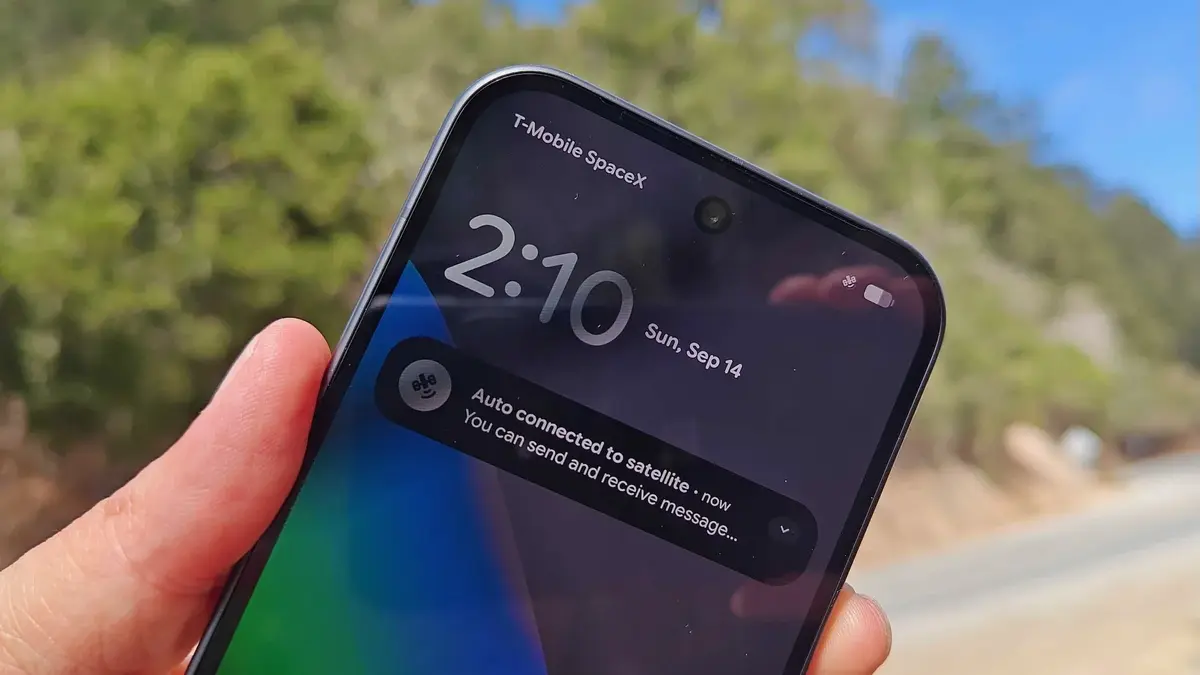
By pairing this massive orbital capacity with the newly acquired ground-based frequencies, SpaceX is positioning itself to become the first operator to seamlessly blend both mediums into a single, unified consumer service.
The company is also expanding its reach through other high-value partnerships. A $20 billion deal with EchoStar is currently in progress, aimed at securing additional radio frequencies through the parent company of Boost Mobile. While this specific integration is not expected to be fully realized until late 2027, it highlights the aggressive nature of SpaceX’s expansion efforts. As the company moves toward becoming an independent mobile operator, the industry is closely watching how its current partnership with T-Mobile—which utilizes a limited version of the Starlink network—will evolve or be superseded by this new, autonomous infrastructure.
As SpaceX moves closer to challenging the dominance of traditional wireless carriers, we invite you to share your thoughts in the comments section: Do you believe that a hybrid satellite-terrestrial network will effectively change the status quo of the global mobile communications market?
Your comment has been submitted,
it will be published after approval.