
Turkish Defense Firms Ban Foreign Electric Vehicles Over Security Risks

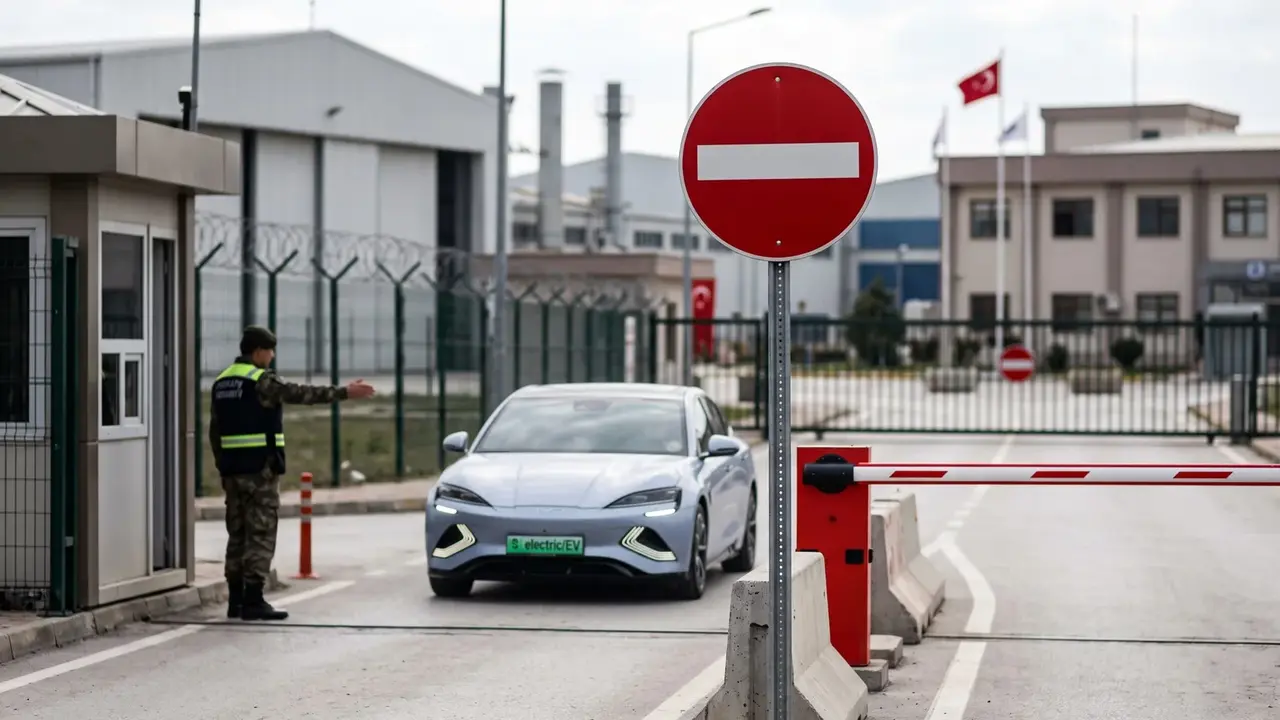
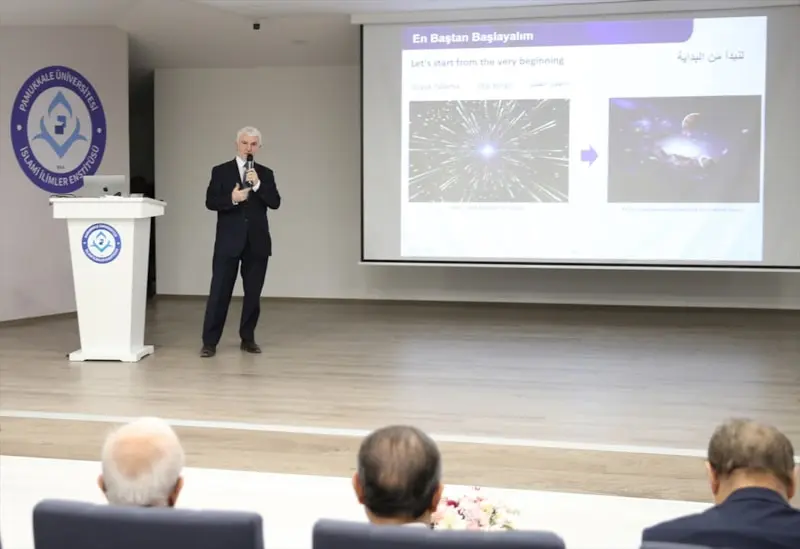
Major Turkish defense industry organizations, including TEI, ASELSAN, ROKETSAN, and HAVELSAN, have implemented a strict ban on foreign-manufactured electric vehicles entering their campus facilities. TEI General Manager Prof. Dr. Mahmut Faruk Akşit announced the decision during a conference held at Pamukkale University in Denizli, citing significant concerns regarding espionage and data security. The policy stems from the belief that modern electric vehicles, equipped with advanced sensors, integrated cameras, and sophisticated software, could inadvertently collect location data or map sensitive military zones, posing a direct threat to national security and internal facility operations.
- Leading defense contractors have restricted entry for foreign electric vehicles to protect sensitive site information.
- Concerns focus on the potential for unauthorized data collection through vehicle cameras and onboard sensory hardware.
- Domestic electric vehicles remain exempt from the ban due to local oversight of their software architectures.
- Critical defense data at TEI is protected by systems that remain physically disconnected from the internet.
Sensors and Software Systems Pose Security Risks
The primary concern cited by Prof. Dr. Akşit involves the lack of visibility into the proprietary software of foreign vehicles. Because these vehicles are frequently connected to external servers and rely on continuous data exchange, the risk of remote control or external intervention is perceived as a critical vulnerability. Akşit emphasized that because these systems are managed by entities outside of Turkish jurisdiction, the defense industry cannot guarantee the security of the data captured by these machines while on site.
By contrast, Turkish-produced vehicles are permitted within the campuses because their software and control systems are developed domestically. This allows for greater transparency and ensures that sensitive defense research remains protected from potential digital espionage. While no specific incident involving a compromised vehicle has been disclosed, the policy reflects a proactive stance on securing critical infrastructure against the evolving threats posed by connected smart technologies.
Defense Facilities Maintain Strict Information Security Protocols
Beyond the restriction of smart vehicles, the Turkish defense sector continues to enforce rigorous standards for information security. Akşit highlighted that TEI employs air-gapped systems, meaning their most critical databases are physically disconnected from the internet to prevent any possibility of remote access. This approach aligns with broader guidelines from the Ministry of National Defense, which mandates strict security measures for all facilities engaged in classified projects.
The move to exclude foreign electric vehicles is part of a larger, ongoing effort to secure the defense ecosystem against modern cyber-physical threats. While there is no official, unified government regulation explicitly banning these vehicles across all state entities yet, the collective decision by these four major players signals a standard shift in how military-related organizations view the presence of smart devices in secure areas.
As defense technology continues to merge with commercial automotive innovation, organizations must remain vigilant regarding the hardware that enters their secure perimeters. This preemptive measure serves as a reminder that in the world of high-stakes military engineering, every device, regardless of its primary function, is scrutinized for its potential to leak sensitive environmental data.
What are your thoughts on this security measure? Do you believe the convenience of modern electric vehicles outweighs the potential privacy risks in sensitive environments? Share your opinions in the comments section below.
Your comment has been submitted,
it will be published after approval.