
Apple Skips M6 Pro for AI-Focused M7 MacBook Pro Processor

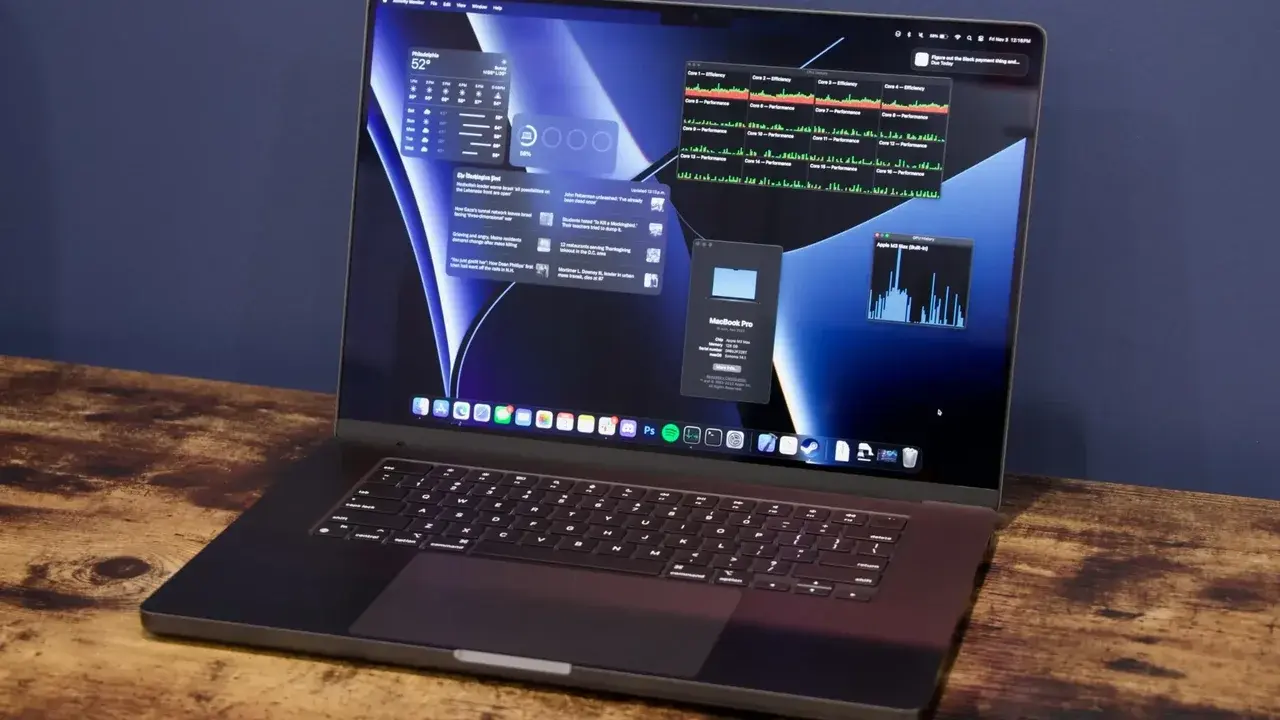
Apple has officially revised its silicon roadmap, announcing a strategic shift to prioritize the upcoming M7 MacBook Pro processor for its next generation of high-performance devices. According to recent reports from Bloomberg’s Mark Gurman, the technology giant intends to bypass the development of M6 Pro, Max, and Ultra variants in favor of a more advanced M7 architecture specifically optimized for artificial intelligence workloads. This decision significantly impacts the release cycle of professional-grade hardware, as current M5-powered devices will remain the primary standard until the M7’s anticipated debut in late 2027. The strategy underscores Apple’s commitment to accelerating AI integration within its hardware ecosystem to maintain a competitive edge.
- Apple has decided to cancel the development of high-end M6 Pro, Max, and Ultra chips to focus resources on the next-generation M7 architecture.
- Professional-grade MacBook Pro models featuring M7 Pro and M7 Max processors are not expected to reach the market until late 2027.
- The most powerful iteration of the new silicon, the M7 Ultra, is currently scheduled for a launch in the first half of 2028.
- Upcoming OLED MacBook Pro models will continue to use existing M5 series processors as Apple prioritizes architectural improvements over frequent refreshes.
Apple Skips M6 Pro as Silicon Development Strategies Shift
The decision to leapfrog the high-end M6 variations marks a pivotal moment in Apple’s hardware history. While the base M6 chip has already made its debut in the latest Mac mini models, and is expected to power future entry-level 14-inch MacBook Pro and iMac models, the more powerful “Pro,” “Max,” and “Ultra” versions of this generation have been effectively canceled. Apple is instead reallocating its vast engineering resources to focus entirely on the M7 series, which promises a substantial leap in neural processing capabilities and overall efficiency.
By focusing on a single, more advanced architecture, Apple aims to streamline its development pipeline and reduce fragmentation in its chip lineup. This move suggests that the company views artificial intelligence performance as the most critical metric for future computing, rather than seeking incremental year-over-year speed bumps. Consequently, users who typically upgrade for the “Pro” or “Max” level performance will see a longer gap between major chip refreshes, as the current M5 series is expected to hold its position as the flagship professional silicon for the next several years.
The M7 Roadmap Shows When New Professional Models Arrive
The timeline for these next-generation chips has been clarified, providing a clearer picture for enterprise users and creative professionals who plan their hardware cycles years in advance. The M7 Pro and M7 Max chips are currently slated for a release toward the end of 2027. These processors will likely debut alongside a highly anticipated redesign of the MacBook Pro, which is rumored to feature an ultra-thin chassis and advanced OLED display technology. Before these high-end models arrive, Apple may introduce a standard M7 chip for entry-level laptops to test the new architecture in the consumer market.
For those awaiting the absolute peak of Apple Silicon performance, the wait will be even longer than previously anticipated. The M7 Ultra chip, designed for the Mac Studio and Mac Pro, is not expected to reach consumers until the first half of 2028. This schedule implies that a refresh for the Mac Studio is unlikely to occur within the 2027 calendar year, as Apple aligns its most powerful hardware with the new AI-centric architecture. This patient approach indicates that Apple is prioritizing architectural quality and long-term stability over the pressure of annual release cycles.
The Upcoming October Event Highlights How Apple Displays Evolve
Before the M7 transition begins in earnest, Apple has a significant product launch scheduled for October 27. This event, which will take place in Los Angeles, is expected to serve as a showcase for the company’s latest display technologies and entry-level silicon updates. Attendees will likely see the introduction of new MacBook Pro models equipped with OLED screens, though these devices will continue to utilize the existing M5 Pro and M5 Max processors. The event will also feature the debut of the OLED iPad mini, further expanding the use of advanced panel technology across the mobile lineup.
Interestingly, the Los Angeles event is structured differently than previous Apple keynotes held at Apple Park. Rather than a traditional global live stream, the gathering is designed as a hands-on experience specifically tailored for content creators and industry influencers. This format allows Apple to demonstrate the real-world benefits of OLED technology and the efficiency of the M6 chip in the base 14-inch MacBook Pro. As the industry watches these developments, it is clear that Apple is carefully balancing its current product needs with its long-term vision for an AI-driven future.
Do you think skipping a generation of high-end chips is the right move for Apple, or will the long wait for the M7 processor drive professional users toward other platforms? Share your thoughts in the comments below.
Your comment has been submitted,
it will be published after approval.