
Tesla Future Value Hinges on Optimus Robots and Cybercab

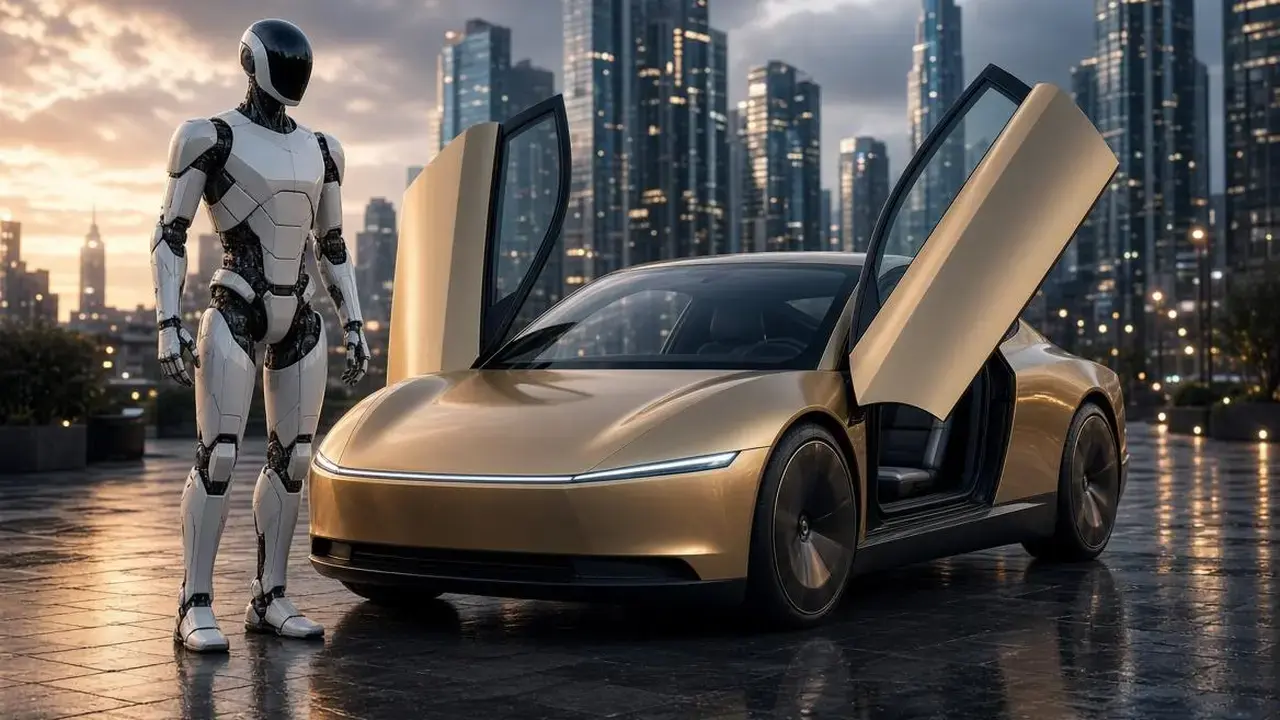
Tesla CEO Elon Musk has officially identified the company’s long-term market valuation drivers, pinpointing the Optimus humanoid robot and the autonomous Cybercab robotaxi as the pillars of future growth. Speaking on the strategic direction of the enterprise, Musk clarified that these two high-volume technological projects will define the firm’s economic trajectory by leveraging massive production scale. While the company continues to diversify its interests across artificial intelligence, solar energy, and aerospace technology, these specific initiatives remain the primary focus for sustainable financial expansion. Despite this pivot toward robotics and autonomy, the development of the high-performance next-generation Tesla Roadster remains firmly on the agenda.
- Tesla identifies the Optimus humanoid robot and the autonomous Cybercab as the primary drivers of long-term corporate valuation.
- The company prioritizes large-scale manufacturing capacity to ensure the commercial success of its robotics and autonomous transport divisions.
- Developmental efforts for the next-generation Tesla Roadster will continue as planned despite the focus on mass-market technological solutions.
- The upcoming Roadster is engineered to reach speeds of approximately 612 km/h through the integration of specialized rocket propulsion technology.
Optimus and Cybercab Represent Strategic Priorities
Elon Musk has outlined a clear growth path for Tesla, emphasizing that the future of the company lies in sophisticated robotics and autonomous driving systems. The Optimus project is designed to handle labor-intensive tasks in both industrial factory settings and everyday domestic environments, effectively addressing global labor needs. Simultaneously, the Cybercab initiative aims to establish a fully driverless transport ecosystem that moves beyond traditional vehicle ownership models. By creating a service-oriented network, Tesla intends to capture significant market share in both the automation and mobility sectors, transforming how goods and people circulate within modern urban landscapes.
Roadster Development Progresses Despite New Focus
While the company’s operational resources are increasingly directed toward mass-market projects like Optimus and the Cybercab, Musk has confirmed that the electric sports car segment remains part of the company’s long-term roadmap. Although the next-generation Roadster is not expected to be a primary contributor to Tesla’s total financial growth, it serves as a critical instrument for brand prestige and a showcase of engineering excellence. Musk described the project as a highly impressive endeavor, confirming that the engineering team is dedicated to completing the development process with meticulous attention to detail.
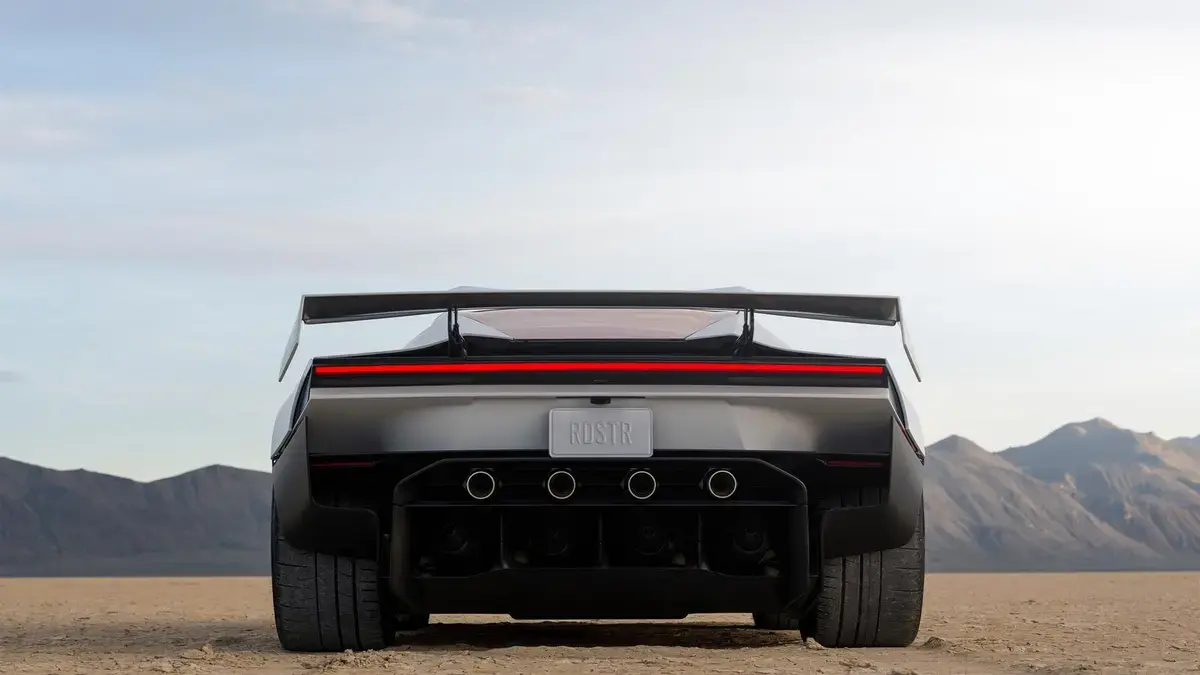 The technical specifications of the new Roadster continue to intrigue the automotive industry, particularly concerning its record-breaking speed capabilities. Equipped with unique rocket thrusters, the vehicle is projected to reach speeds approaching 0.5 Mach, which translates to roughly 612 km/h. This performance target represents a significant departure from previous estimates and highlights the extreme aerodynamic and mechanical limits being tested by Tesla engineers. By exceeding the initial speed limits projected for the Thrust and Rocket variants, the company aims to redefine the boundaries of what is possible within the electric vehicle market, proving that high-performance engineering remains a core strength of the organization even as it pivots toward autonomous infrastructure.
Do you believe that the integration of humanoid robots and autonomous taxis will create a greater revolution for Tesla than the pursuit of high-performance electric vehicles? We invite you to share your thoughts on the future of automotive technology in the comments section below.
Your comment has been submitted,
it will be published after approval.