
Boosting Android TV Performance with AI Optimization Tools

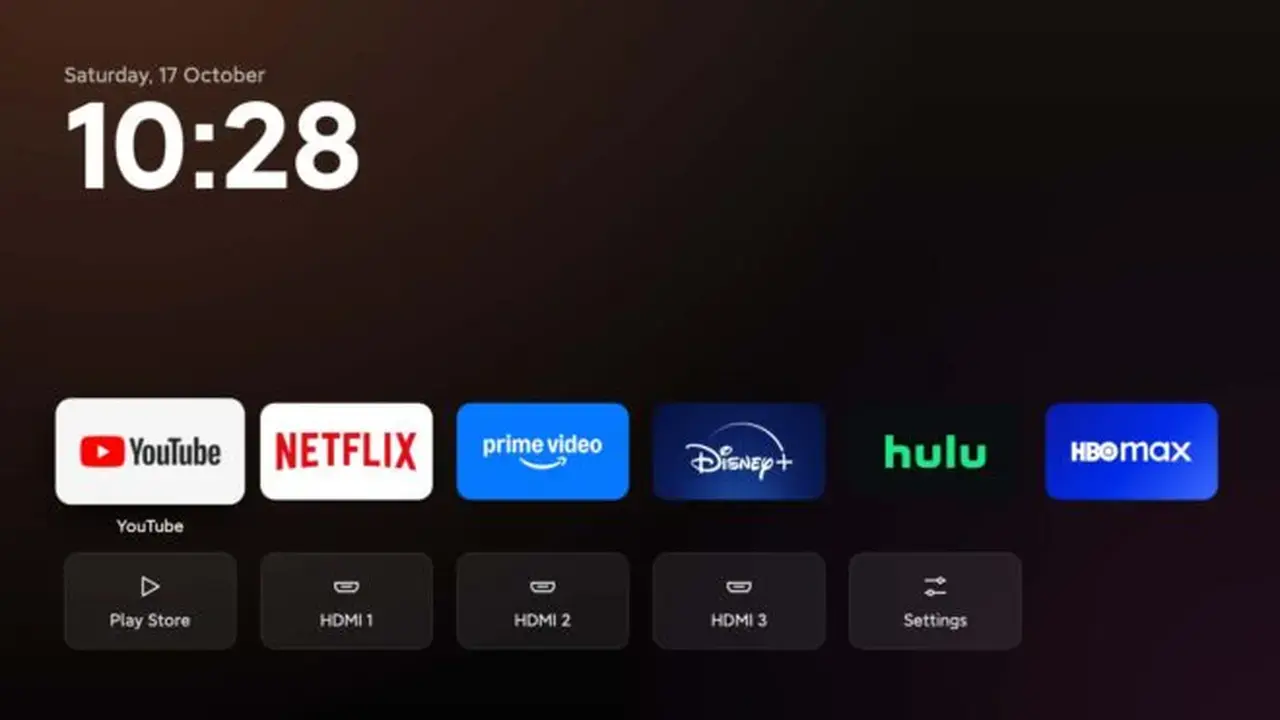
Tech enthusiast Ansub Khan has introduced a groundbreaking method that utilizes artificial intelligence to solve the pervasive issue of lagging Android TV systems. By leveraging advanced AI models like Anthropic’s Claude Code and OpenAI’s Codex, users can now significantly enhance the speed of their smart televisions. This innovative technique operates by identifying and purging unnecessary background data, effectively optimizing system resources that cause software bloat over time. As smart televisions often suffer from performance degradation, this AI-driven approach offers a practical solution for users seeking to revitalize their older devices without the immediate need for expensive hardware upgrades.
- Artificial intelligence tools identify and remove redundant background processes within the Android TV operating system.
- The optimization process requires the activation of developer settings and synchronization between the television and a computer.
- This method improves responsiveness for older hardware that suffers from software-related performance limitations.
AI Tools Revolutionize System Management Processes
The method developed by Ansub Khan bridges the gap between complex software engineering and home entertainment. By utilizing Claude Code and Codex, the system executes a six-step command sequence that targets deep-seated processes consuming memory in the background. Instead of relying on standard user-interface settings, this approach interacts directly with the Android kernel, ensuring that the television’s hardware is not burdened by non-essential tasks. This surgical intervention allows for a more fluid navigation experience across menus and applications.
Users Must Follow Precise Technical Steps
To implement this performance boost, users must navigate their television’s system settings to enable Developer Options and USB Debugging. Once the television and a computer are connected to the same local network, specific AI-generated scripts are transmitted to the device. These scripts conduct a thorough sweep of the operating system, freeing up RAM and reducing latency. While the process is highly effective, it requires a careful approach to ensure system stability during the optimization phase.
Compatibility Varies Across Different Hardware Configurations
It is important to note that performance outcomes may vary depending on the specific model and hardware configuration of the Android TV. Because the Android ecosystem encompasses a vast array of devices with different processors and memory capacities, the effectiveness of these automated scripts can differ. Experts suggest that while this method is a powerful tool for extending the lifespan of aging hardware, users should proceed with caution and verify their device’s compatibility before executing system-level commands.
Future Potential for Artificial Intelligence Integration
The integration of artificial intelligence into consumer electronics marks a significant shift in how we maintain our devices. As these tools become more accessible, the ability for average users to perform deep-system optimizations will likely become a standard practice. This trend not only improves the user experience for existing devices but also promotes sustainability by reducing the frequency of electronic waste. By simply refining the software layer through intelligent analysis, users can enjoy a modern, responsive interface on hardware that was previously considered obsolete.
Have you noticed your Android TV struggling with sluggish performance lately? If you decide to test this AI-based optimization method on your own device, we encourage you to share your experiences and any improvements in performance you observed in the comments section below.
Your comment has been submitted,
it will be published after approval.