
New Book Uncovers AI’s Influence on Children’s Media and Culture


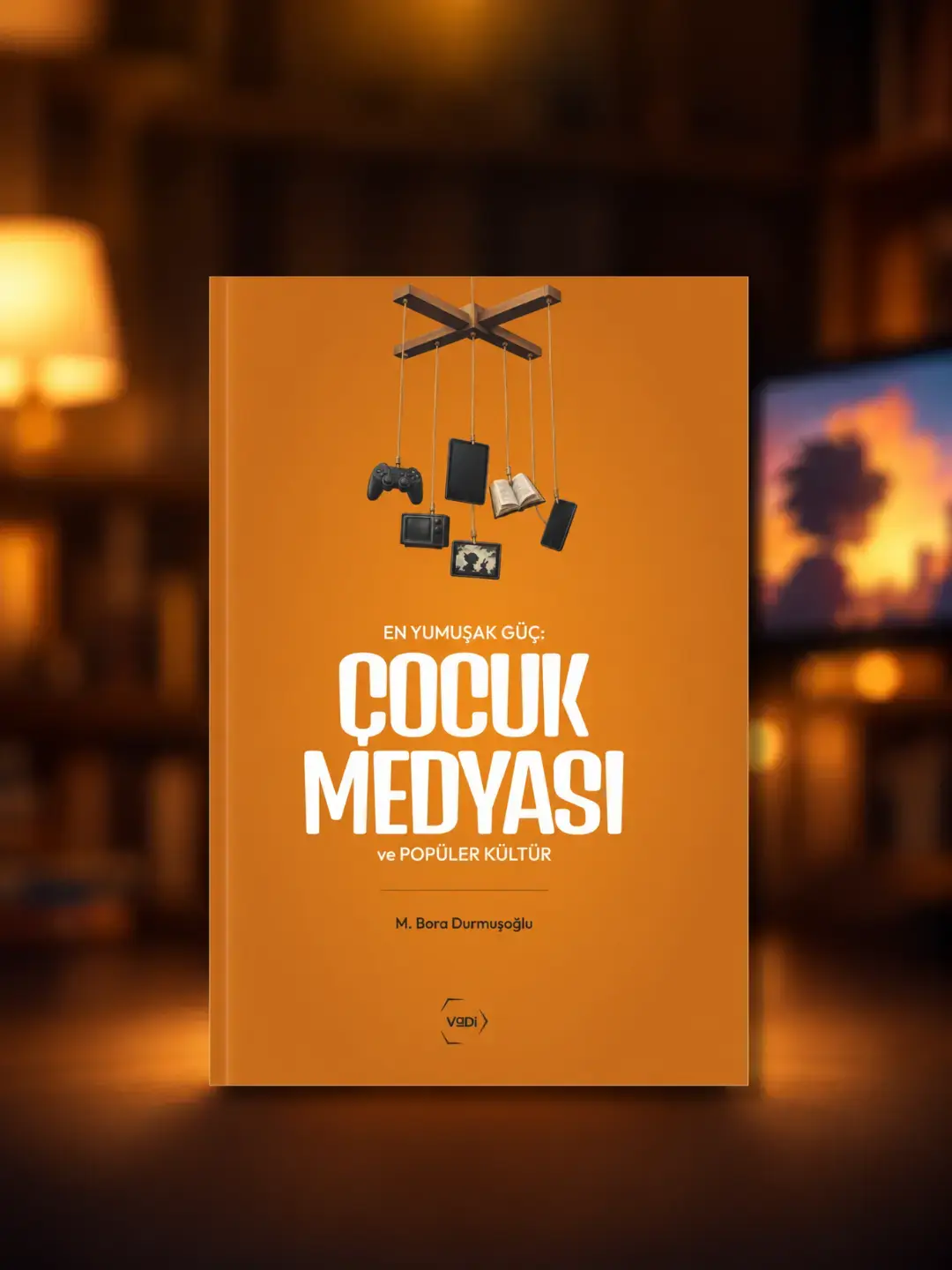
A new book titled “The Softest Power: Children’s Media and Popular Culture,” penned by seasoned media and licensing expert Bora Durmuşoğlu, has recently been published by Vadi Yayınları. This significant work delves into the expansive digital footprint of children’s media, examining how AI-supported recommendation algorithms and the world of licensed animated series profoundly influence children’s behaviors, language, and digital privacy. The book moves beyond the simplistic discussion of screen time to analyze the roles of technology giants within the attention economy, offering critical insights for parents and educators alike.
- The book, “The Softest Power,” authored by Bora Durmuşoğlu, analyzes how digital platforms and AI algorithms directly impact children’s behavior, language, and digital privacy.
- It emphasizes that modern parenting competes with global tech companies for children’s attention within the digital attention economy.
- The work advocates for media literacy and robust digital privacy standards, suggesting a collaborative approach from parents, content producers, platform providers, and policymakers.
- The book highlights the strategic importance of developing high-quality, competitive, and ethically sound local content to counteract the homogenizing effects of global popular culture.
Digital Footprint of Children’s Media is Deeply Examined
Digital platforms, coupled with artificial intelligence-powered recommendation algorithms and the vast universe of licensed animated series, are extending the boundaries of modern childhood far beyond mere screens. Durmuşoğlu’s latest publication offers an in-depth exploration of how the content children encounter directly affects their behavior, language development, and crucial digital privacy. The book transcends the conventional screen time debate, instead scrutinizing the significant roles played by technology giants in shaping the attention economy.
From Screen Time to Algorithms: Attention Economy Intensifies
The advent of mobile devices and online streaming services has fundamentally transformed how children access information, with algorithms designed by global technology companies playing a pivotal role in this shift. The book underscores how a simple visual or character seen on a screen transcends being mere animation, evolving into a permanent element that shapes children’s daily language, consumption habits, and core values. Durmuşoğlu encapsulates the challenge faced by modern parenting, stating, “We are competing with the world’s largest technology companies within the same home to capture our children’s attention.”
Media Literacy and Digital Privacy Are Prioritized Over Bans
Rather than advocating for strict, prohibitive approaches that completely isolate children from the digital environment, the book proposes that parents and content creators acquire conscious media literacy. It emphasizes that the issue of digital privacy cannot be left solely to a child’s self-protection instincts. Instead, it argues that platform providers, decision-makers, and producers must collectively adopt common standards for data and content security.
Local Content Production Holds Strategic Importance
The study stresses the strategic importance of local content production as a countermeasure against the homogenizing influence of technology and popular culture. It clarifies that merely being local is insufficient; it is imperative to develop competitive, clean content models that adhere to universal quality standards. Durmuşoğlu, drawing on his extensive experience as a long-time executive at TRT Çocuk, merges his sector expertise with an academic and analytical perspective in this comprehensive work.
A Comprehensive Glossary Serves as a Valuable Resource
Concluding the book is a “Children’s Media Glossary,” which elucidates hundreds of concepts, thereby filling a significant terminological void in the field. This glossary serves as an invaluable reference guide for academics, educators, publishers, and families seeking to navigate the complex landscape of children’s media.
What are your thoughts on the increasing influence of AI and algorithms on children’s content? Share your experiences and opinions below regarding digital privacy and media literacy for the younger generation.
Your comment has been submitted,
it will be published after approval.