
US Establishes Super Test Site for Hypersonic Weapons in Montana

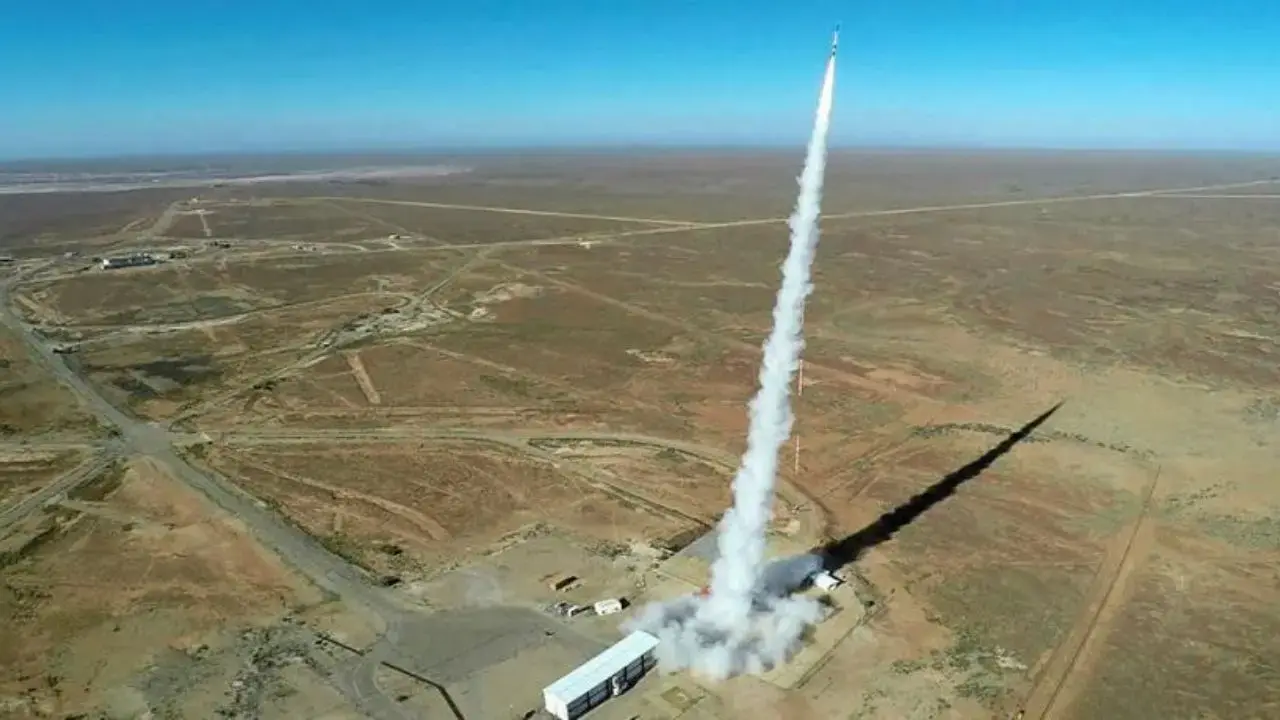
The United States Department of Defense is preparing to expand its infrastructure for developing and testing advanced military technologies with the establishment of a new “super test site” in Montana. Announced by President Donald Trump on October 14 during an event in Kalispell, Montana, this facility is designed to evaluate next-generation weapons and military technologies. The project aims to bolster the technological superiority of the U.S. armed forces, with a primary focus on cutting-edge capabilities like hypersonic weapons and autonomous systems. Details regarding the exact location, operational timeline, and budget for this significant undertaking remain undisclosed by the administration.
- The U.S. Department of Defense will establish a new “super test site” in Montana to advance military technology.
- The facility will primarily focus on testing hypersonic weapons, autonomous systems, electronic warfare, and space technologies.
- President Donald Trump announced the project, emphasizing its role in maintaining U.S. technological superiority.
- Specific details regarding the site’s budget, exact location, and operational timeline have not yet been disclosed by authorities.
New Facility Will Test Advanced Weapon Systems
The planned “super test site” will serve as a crucial hub for evaluating a diverse array of advanced military technologies. Key areas of focus include hypersonic weapons, autonomous weapon systems, electronic warfare capabilities, and cutting-edge space technologies. Additionally, supersonic systems, which operate at speeds exceeding the speed of sound, are also slated for testing at the new facility.
Hypersonic Weapons Pose Unique Challenges
Hypersonic weapons, defined as systems capable of flying at speeds five times greater than the speed of sound, present significant challenges for existing air defense systems due to their extreme velocity and complex flight profiles. The new test site will be instrumental in rigorously evaluating the flight performance, guidance systems, and behavior of these advanced weapons under various conditions. Such comprehensive testing is paramount for their successful development and integration into military arsenals, ensuring their reliability and effectiveness in diverse operational scenarios.
Autonomous Systems Are Gaining Importance
Autonomous weapon systems represent another critical area for development and testing at the Montana facility. These platforms are designed to execute specific missions with reduced human intervention, encompassing a wide range of technologies such as unmanned aerial vehicles, autonomous land and sea platforms, and artificial intelligence-powered mission systems. Rigorous testing of these systems is essential to ensure their operational integrity, ethical deployment, and seamless integration with existing defense frameworks. The site will provide a controlled environment to push the boundaries of autonomous capabilities.
Electronic Warfare and Space Technologies Will Also Be Evaluated
Beyond hypersonic and autonomous systems, the new test site will facilitate extensive electronic warfare testing. These evaluations are vital for assessing how military systems operate within complex electromagnetic environments and for ensuring the robust performance of communication and sensing capabilities. Furthermore, space technologies, encompassing military satellite systems and space-based assets, are another potential area for testing. However, the U.S. administration has not yet specified which particular space-related systems will undergo trials at the new facility.
Montana Already Hosts Key Test Infrastructure
Montana currently hosts several established facilities dedicated to testing aviation and space technologies. These include the Montana Spaceport & Test Range and the Limestone Hills Innovation & Test Campus, which operate through collaborations between public and private sectors. These existing infrastructures support a broad spectrum of civilian and military aviation and space-related testing activities. The decision to establish the new military test site in the same state prompts discussions about its potential connection to or integration with these existing capabilities, raising questions about a consolidated defense and aerospace testing ecosystem.
US Aims to Expand Advanced Weapon Test Capacity
The development of hypersonic weapons, autonomous systems, electronic warfare, and space technologies is increasingly critical for major defense powers globally. Before these systems are deployed, thorough testing under diverse conditions is essential to determine their performance, reliability, and interoperability. The plan for this new test site underscores the United States’ commitment to building robust infrastructure that supports its research and development initiatives in these critical areas. While the operational timeline and the specific entities that will manage the facility remain to be detailed, this initiative marks a significant step in enhancing the nation’s advanced defense capabilities.
What are your thoughts on the development of new military test sites for advanced technologies like hypersonic weapons and autonomous systems? Share your perspective in the comments below.
Your comment has been submitted,
it will be published after approval.