
Microsoft Hints at New Xbox with Physical Disc Drive

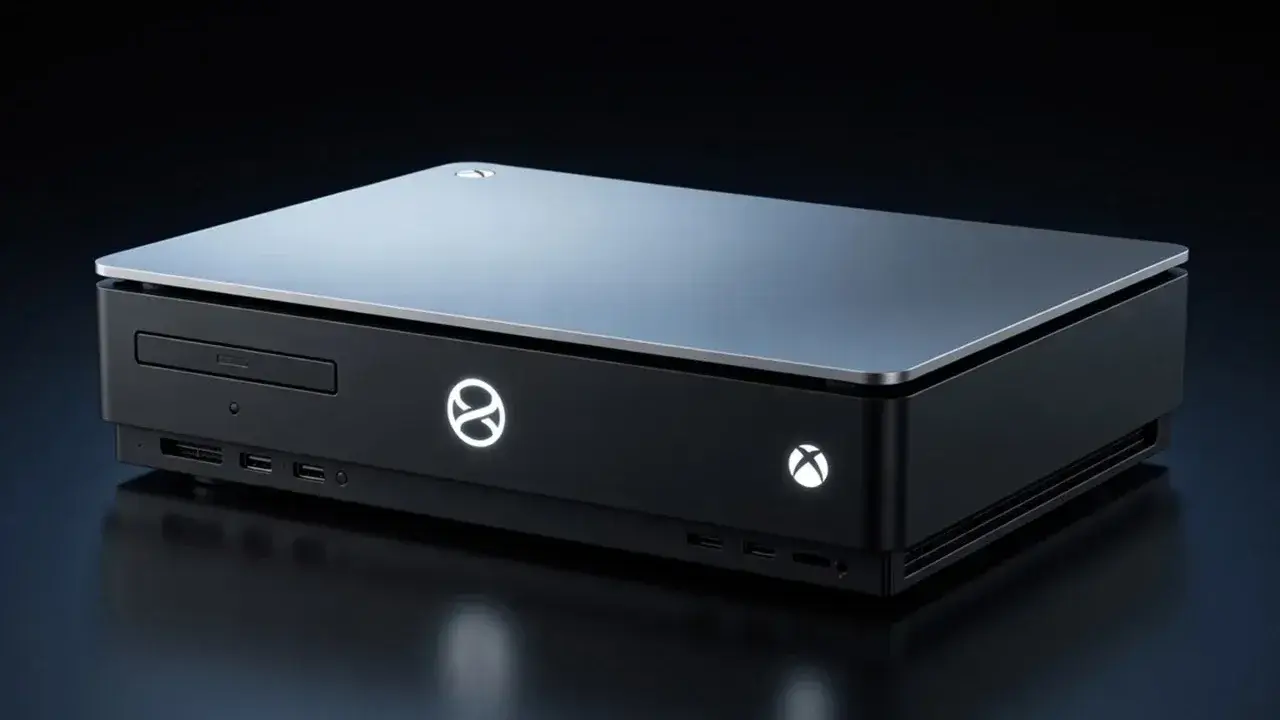
Microsoft has ignited speculation within the gaming community following the publication of a job listing on LinkedIn for an Xbox Games Supply Strategist. This development suggests that the tech giant may be reconsidering its approach to physical media for its next-generation console, codenamed Helix, potentially including a physical disc drive.
The job posting details responsibilities such as managing industrial supply chain strategies and achieving financial targets for the physical Xbox gaming portfolio. A key aspect mentioned is coordinating the release of physical Xbox games across all platforms and developing global supply positioning strategies throughout the product lifecycle. This role indicates a continued, albeit potentially evolving, focus on physical game distribution for Xbox.
Xbox’s Supply Chain Strategy Involves Physical Media
This strategic consideration by Microsoft gains further significance in light of Sony’s recent announcement that it will cease production of physical discs for all new PlayStation games starting January 2028, signaling a move towards a fully digital future for the PlayStation 6. Xbox enthusiasts are hopeful that Microsoft’s actions represent an effort to preserve physical gaming media, a format many still value for ownership and collection purposes.

However, given that Microsoft now also publishes games for PlayStation and Nintendo hardware, there’s a distinct possibility that this job listing pertains primarily to managing the physical releases for those third-party platforms. Rumors persist in tech circles that the next Xbox console might indeed abandon the disc drive, a move that would align it more closely with a digital-first strategy, despite the current signals.
Future of Physical Discs Faces Market Realities
Should Microsoft decide to retain physical disc support in its upcoming Helix console, this strategy could offer several competitive advantages. Maintaining physical disc compatibility could differentiate the Xbox from the increasingly digital-focused PlayStation. It would also cater to a segment of the gaming audience that prioritizes tangible game ownership and the ability to build and maintain a physical game library.
Furthermore, such a decision would bolster Xbox’s long-standing commitment to backward compatibility. This ensures that existing game libraries from Xbox One and Series S/X discs could remain playable on new hardware, offering continuity for players. Nevertheless, incorporating a disc drive also presents significant challenges, particularly concerning costs and market demand.
Removing the disc drive is often cited as one of the simplest ways to reduce manufacturing costs for new hardware. With the Helix console reportedly facing a substantial price tag due to ongoing memory crises, adding a disc drive could further escalate these costs, potentially making it less competitive at launch.
Current market data from Circana reveals that Xbox’s share of physical game sales in the US has hovered around 4% this year, starkly contrasting with PlayStation’s 32% and Nintendo’s 63%. These figures underscore that Xbox is currently the most digitally oriented console among the major players. Perhaps a more viable middle ground for Microsoft, similar to Sony’s approach with optional disc drives on the PS5 Slim and PS5 Pro models, could be considered. This would allow for flexibility, catering to both digital-first players and those who prefer physical media.
What are your thoughts on the future of physical games? Should Microsoft continue to support disc drives in the next generation of Xbox consoles, or is it time to fully embrace a digital-only future? Share your opinions in the comments below!
Your comment has been submitted,
it will be published after approval.