
Google Releases Android 17 QPR3 Beta 2 for Pixel Devices


Google has officially released the Android 17 QPR3 Beta 2 update for its range of compatible Pixel devices, marking a significant step forward in the company’s mobile software refinement. This latest rollout, which became available to beta testers globally, extends support from the Pixel 6a all the way through the newest Pixel 11 series. While the previous iteration focused primarily on minor user interface adjustments, this comprehensive update introduces 21 critical bug fixes and enhanced security protocols. By improving overall system stability and introducing new control mechanisms for wireless connectivity, Google continues its commitment to optimizing the performance of its hardware ecosystem for a diverse range of users.
- The Android 17 QPR3 Beta 2 update introduces a mandatory lock mechanism for connection toggles in the quick settings menu.
- Google has addressed 21 distinct system bugs to improve the overall stability of Pixel devices.
- The current beta firmware supports a wide range of hardware, including the Pixel 6a through the Pixel 11 Pro Fold.
- Engineers have successfully resolved recurring issues involving screen recording crashes and persistent audio routing problems with connected smartwatches.
Critical System Bugs are Being Resolved
The Android 17 QPR3 Beta 2 update prioritizes the rectification of long-standing technical issues that have hampered the daily user experience. Google engineers have focused heavily on system-wide stability, successfully eliminating unexpected device crashes that plagued previous builds. 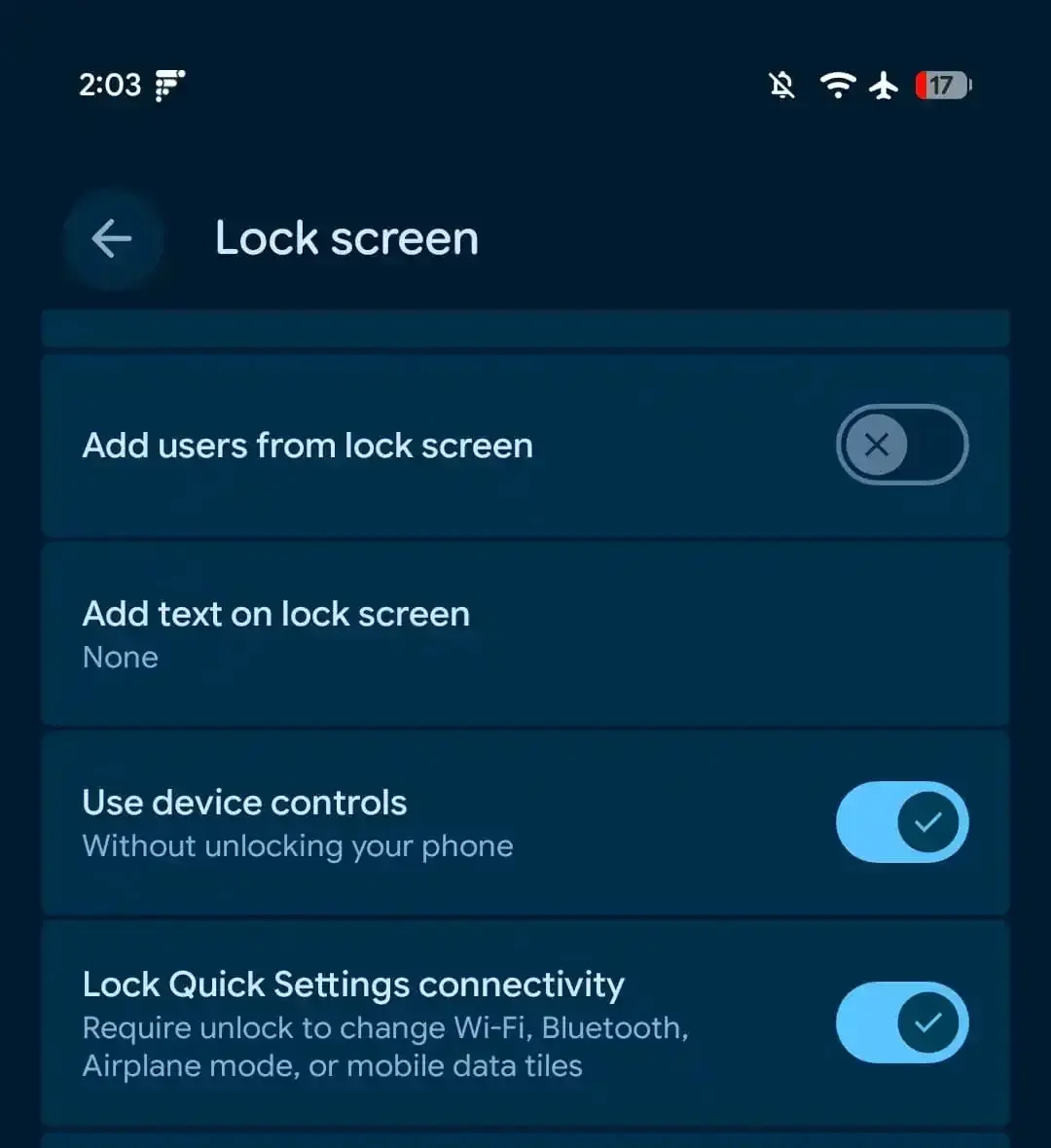 In addition to general performance improvements, the update addresses specific glitches that affected core functionalities. For instance, users previously reported that screen recording sessions would frequently terminate without warning, and calls answered on a phone would continue to ring on paired smartwatches. By resolving these 21 specific issues, Google aims to provide a more seamless and reliable environment for its global user base.
Connection Settings are Being Locked for Security
Perhaps the most significant change in this release is the new security-focused lock mechanism integrated into the quick settings menu. Users now have the option to enforce a device unlock requirement before toggling sensitive connectivity features such as Wi-Fi, Bluetooth, Mobile Data, or Airplane Mode. 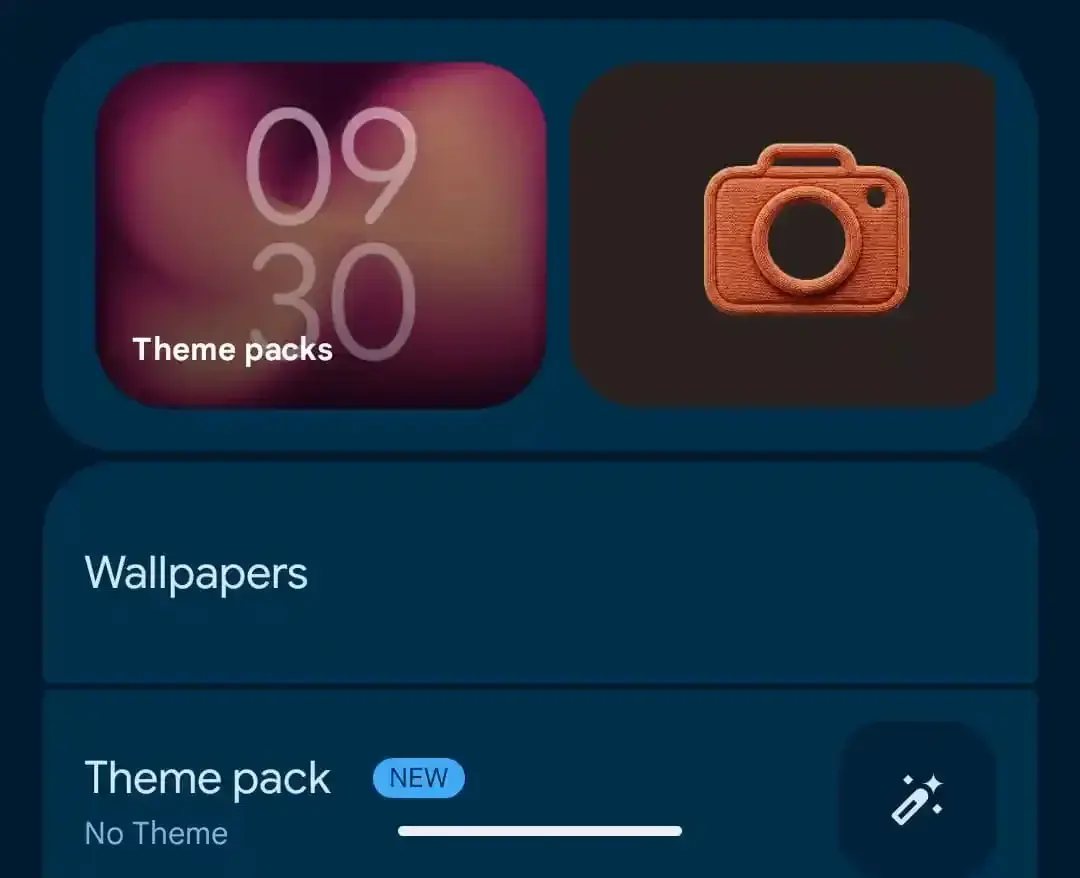 This feature is designed to prevent accidental modifications to network states, which is particularly beneficial for maintaining device security in public spaces or during travel. Beyond this security enhancement, Google has also redesigned the theme selection interface. The Wallpaper and Style menu now features a scrollable layout, allowing for more intuitive navigation through various themes and customization packages.
Device Support is Being Extended to Newer Models
Google remains dedicated to supporting a vast array of hardware within its ecosystem through this beta testing phase. The list of compatible devices is extensive, encompassing the Pixel 6a, 7, 8, and 9 series in all their variations. Furthermore, the update extends to the Pixel Tablet and the sophisticated Foldable product line, reaching up to the latest flagship Pixel 10 and Pixel 11 series. This broad compatibility highlights Google’s strategy to deliver consistent software updates across its entire product lineup. Users currently enrolled in the Android Beta program can access this latest firmware directly through their device settings menu to experience these improvements firsthand.
How do you feel about the new mandatory lock for connection settings in the quick access menu, and do you think this improves your daily security or adds an unnecessary step to your workflow? We would love to hear your thoughts in the comments section below.
Your comment has been submitted,
it will be published after approval.