
VibeCoding Is Solving Smart TV Bloatware and Ad Issues

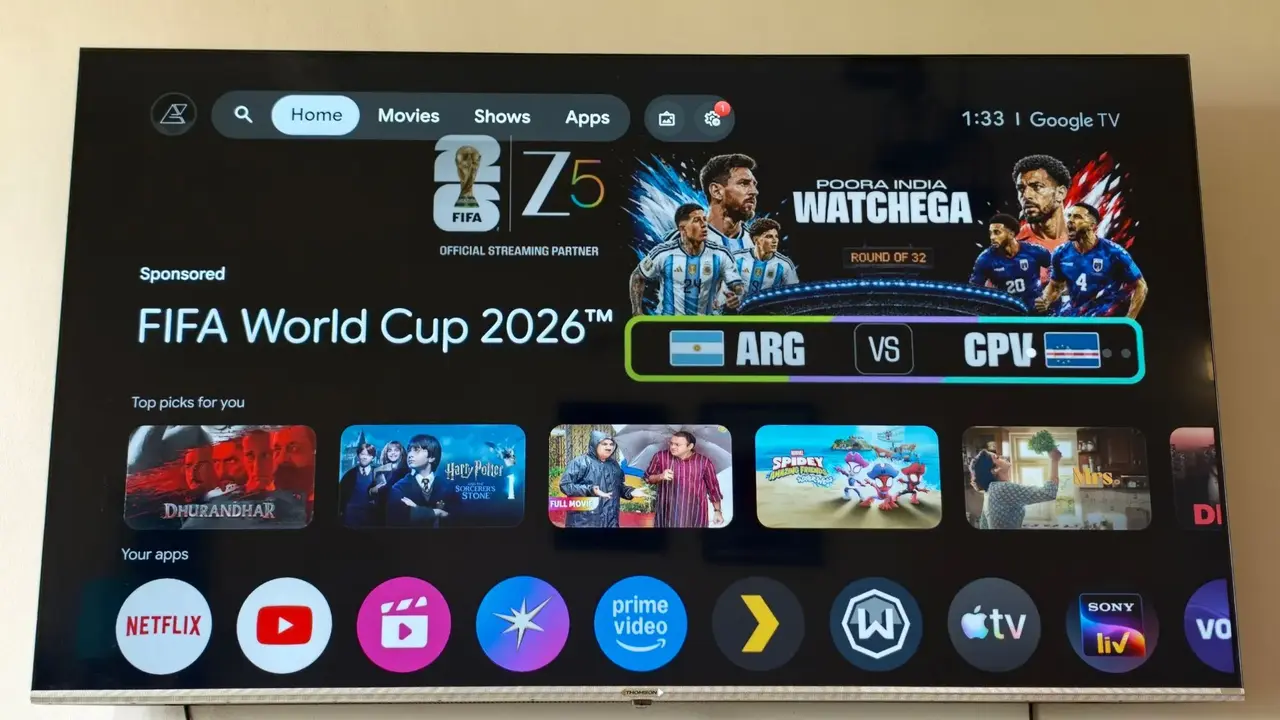
Smart TV users are increasingly turning to a revolutionary artificial intelligence trend known as “vibe-coding” to combat the persistent issues of intrusive advertisements and unwanted bloatware. As major manufacturers continue to saturate operating systems with revenue-driven software, tech enthusiasts are utilizing advanced AI tools like Claude Code and ChatGPT Codex to reclaim control over their living room devices. Content creators such as Ansub Khan have demonstrated how this technique allows for the complete redesign of Android TV interfaces, effectively stripping away unnecessary background applications that cause system sluggishness. This emerging practice marks a significant shift in how consumers interact with their hardware, turning bloated systems into lean, high-performance interfaces through simple, natural language commands.
- Users are leveraging artificial intelligence models to systematically remove pre-installed bloatware and advertisements from smart television operating systems.
- Advanced AI tools enable the creation of custom, lightweight home screen interfaces that significantly improve device performance and responsiveness.
- Security experts warn that implementing AI-generated code on television firmware may introduce critical vulnerabilities or compromise personal user data.
AI Tools Are Transforming Television User Interfaces
The ubiquity of advertising on modern smart televisions has become a major pain point for consumers worldwide. Manufacturers often integrate these advertisements directly into the core operating system to maximize recurring revenue, which frequently results in a cluttered, slow, and confusing user experience. While previous generations of tech-savvy users relied on manual debloating scripts or third-party launchers, the rise of vibe-coding has lowered the barrier to entry significantly.
By utilizing AI-powered coding assistants, users can now optimize their systems without requiring professional software engineering skills. This method allows individuals to articulate their preferences in plain English, prompting the AI to identify and excise the specific system processes that are hoarding memory and CPU power. As a result, the television becomes not only faster but also more aesthetically aligned with the user’s personal needs.
Older Hardware Experiences a Significant Performance Revival
Perhaps the most compelling application of this AI-driven approach is the revitalization of aging hardware. Many older smart TV models suffer from performance degradation as newer, more demanding software updates are pushed to their limited internal storage and processors. In these scenarios, AI tools act as a surgical instrument, isolating and terminating unnecessary background tasks that would otherwise render the device nearly unusable.
By stripping away these resource-heavy processes, owners of legacy devices can extend the lifespan of their hardware significantly. This process transforms a sluggish television into a snappy, modern-feeling entertainment hub. It is not merely a superficial cleanup but a fundamental technical optimization that restores the device to its former glory.
Security Risks Require Careful Consideration
Despite the functional advantages, the practice of vibe-coding carries inherent dangers that cannot be ignored. Because these modifications are not sanctioned by the original equipment manufacturers, they lack the rigorous testing and security verification associated with official firmware updates. Modifying the core operating system of a smart TV can potentially expose the device to malicious exploits or create backdoors that threaten the privacy of the household.
Industry professionals emphasize that improper intervention into system files could result in permanent hardware damage, commonly referred to as “bricking” the device. Users are strongly advised to proceed with extreme caution, ensure they understand the commands being generated, and avoid implementing unverified scripts from untrusted sources. Security should remain a priority even when striving for a cleaner interface.
Have you experienced frustration with the amount of ads on your smart television, and would you consider using AI to optimize your device’s performance? Share your thoughts on whether the performance boost is worth the potential security risks in the comments section below.
Your comment has been submitted,
it will be published after approval.