
Apple to Unveil New MacBook Pro With Touchscreen OLED Display

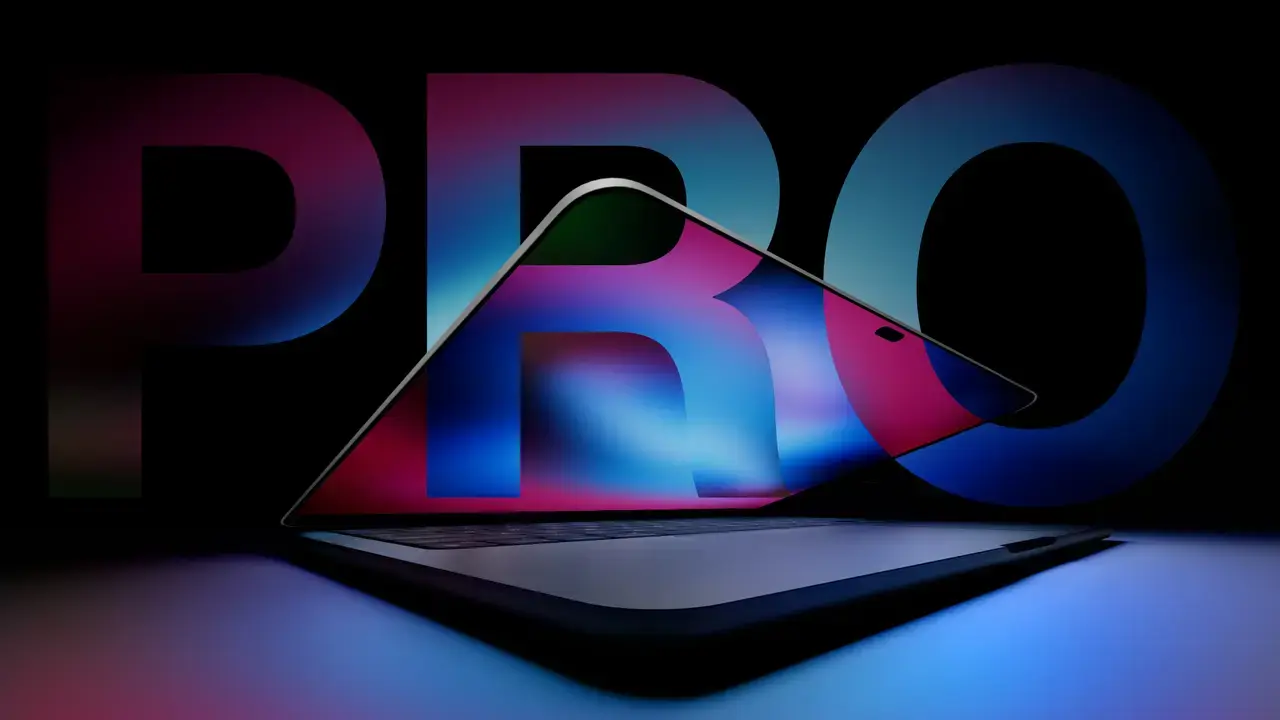
Apple is set to revolutionize its high-end computing lineup by introducing a new MacBook Pro featuring advanced OLED display technology and integrated touchscreen capabilities. The tech giant is scheduled to showcase these highly anticipated devices during the ‘Pro and tell’ event on October 28. Available in 14-inch and 16-inch configurations, these laptops represent a major shift in Apple’s hardware strategy. The company aims to elevate the portable computing experience by blending traditional macOS power with intuitive touch-based interactions. With a planned retail launch scheduled for early November, the new MacBook Pro models are expected to establish a new benchmark for professional workflows.
- Apple is integrating advanced OLED panel technology into its MacBook Pro series for the first time.
- The macOS Golden Gate update adds official support for touchscreen inputs on Mac devices.
- Engineers have implemented a reinforced hinge mechanism to ensure screen stability during physical touch interaction.
- The new models maintain the existing M5 Pro and M5 Max processor architectures for high-performance computing.
Design Aesthetics Undergo Significant Modernization
Since the major redesign of the MacBook Pro series in 2021, Apple has maintained a consistent industrial look. However, the upcoming OLED models promise a leaner, more lightweight chassis. The most prominent visual change involves the removal of the traditional screen notch, which will be replaced by the Dynamic Island interface familiar to iPhone users. This transition not only optimizes screen real estate but also aligns the macOS experience with the cohesive design language found in iOS, fostering a more unified software ecosystem.
OLED Technology Enhances Visual Fidelity
The introduction of OLED panels marks a substantial improvement over current mini-LED displays, particularly regarding color accuracy and contrast ratios. These panels provide deeper black levels and more vivid color reproduction, which are essential requirements for professional video editors and graphic designers. By utilizing tandem OLED structures, Apple has successfully extended the lifespan of these displays while significantly reducing the risk of image retention or screen burn-in. 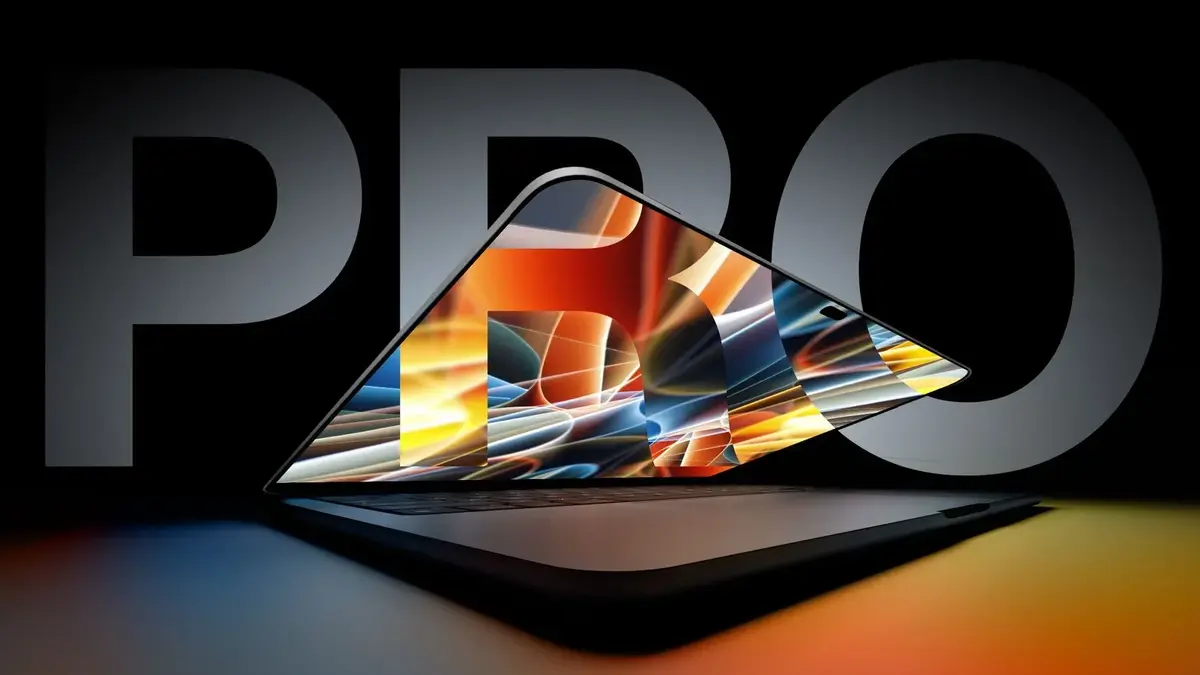 This upgrade ensures that creative professionals can rely on color-accurate displays for their most demanding tasks.
Touch Input Redefines User Interaction Standards
For the first time in Mac history, users will be able to interact with the screen directly. The macOS Golden Gate operating system has been specifically optimized to support touch gestures within core applications like Safari, Mail, and Calendar, allowing for fluid actions such as scrolling and refreshing. To accommodate this new input method without compromising the user experience, the devices feature a specially reinforced hinge system designed to minimize screen wobbling during physical contact. Apple clarifies that this touch functionality serves as a secondary, auxiliary input method to complement the keyboard and trackpad.
Processor Strategy Focuses on M5 Series Stability
Rather than transitioning to the M6 chip generation, the new MacBook Pro models will continue to utilize the current M5 Pro and M5 Max silicon. By bypassing a new chip generation, Apple ensures a timely release that prioritizes display innovation over raw processor speed increases. Market analysts expect the next major shift in silicon to arrive in 2027, when the second generation of OLED models will likely debut alongside the M7 chip series.
Premium Pricing Reflects High-End Hardware
Given the inclusion of cutting-edge screen technology, these new MacBook Pro models are expected to carry a premium price tag. This strategy aligns with the company’s broader positioning of the Pro lineup as an elite toolset for industry professionals. The devices are engineered to satisfy the rigorous demands of power users who require both portability and performance.
Do you believe that adding a touchscreen to the MacBook Pro will genuinely improve your professional workflow, or do you prefer the precision of a traditional keyboard and trackpad? We would love to hear your thoughts and expectations regarding this major change in the comments section below.
Your comment has been submitted,
it will be published after approval.