
Intel Nova Lake Processors Bring 28 Cores to Future Laptops

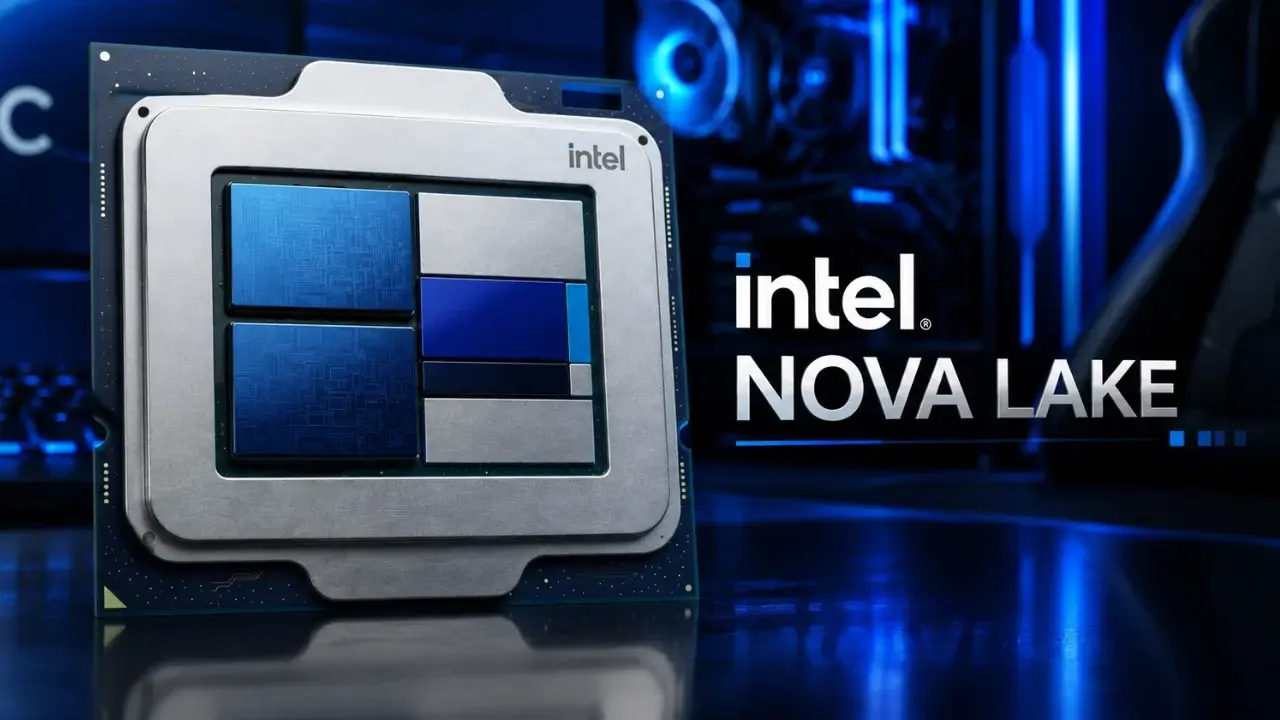
Intel is reportedly preparing to redefine mobile computing performance with the upcoming launch of its Nova Lake processor series, specifically designed for high-end laptops. The flagship Intel Core Ultra 9 4995HX is expected to lead the Core Ultra 4000 family, featuring a massive 28-core architecture that caters to professional workstations and elite gaming enthusiasts. Industry insiders suggest that these advanced Nova Lake-HX models will make their official debut during CES in early 2027. This transition marks a significant leap in Intel’s mobile strategy, leveraging cutting-edge manufacturing processes to deliver unprecedented processing power for portable devices.
- The Intel Core Ultra 9 4995HX core count to 28 units expands.
- Production for the final retail versions to TSMC N2P technology shifts.
- Power consumption across the new processor lineup significantly scales.
- Graphical capabilities through 12 Xe3P iGPU cores in the H-series improve.
Core Ultra 9 4995HX Architecture Dominates
The flagship Core Ultra 9 4995HX model is built with a sophisticated hybrid architecture. It integrates eight high-performance Coyote Cove P-cores, sixteen efficient Arctic Wolf E-cores, and four low-power LP-E cores. This combination allows for a total of 28 threads, providing the necessary muscle for 3D rendering, video editing, and high-fidelity gaming. Beyond the core count, the processor is rumored to feature a massive L3 cache of up to 144 MB, which significantly reduces latency during data-intensive operations. This architectural design closely mirrors the capabilities typically found in high-end desktop units, yet it is refined for the thermal constraints of a laptop chassis.
Intel’s focus on the “ultra-enthusiast” segment suggests that these chips will be paired with the most powerful cooling solutions available. By maximizing the thread count on a mobile platform, Intel aims to capture the market of professionals who require desktop-level performance in a form factor that can be moved between locations. The inclusion of the LP-E cores further ensures that the system remains efficient during idle or low-intensity tasks, preserving battery life when the full power of the 28 cores is not required.
Graphics Performance in Nova Lake-H Increases
While the HX series focuses on raw processing power, the Nova Lake-H lineup targets a balance between performance and visual fidelity. The Core Ultra 9 4970H, for instance, maintains a 16-core configuration but introduces substantial improvements to its integrated graphics unit. It features 12 Xe3P iGPU cores, representing a significant upgrade over previous generations. This enhancement ensures that users can enjoy smooth creative workflows and gaming experiences even without a dedicated graphics card.

The integration of the Xe3P architecture allows for better support of modern graphical APIs and AI-driven upscaling technologies. This makes the H-series particularly attractive for thin-and-light performance laptops that require robust visual processing without the bulk of traditional gaming hardware. The transition to this new graphics architecture underscores Intel’s commitment to improving the “on-chip” experience for everyday professional users and casual gamers alike.
Production Transitions to TSMC N2P Nodes
A critical aspect of the Nova Lake development is the choice of manufacturing process. Initially, there were reports that Intel would utilize its internal 18A-P technology for these chips. However, recent updates indicate that the final consumer-ready products will transition to TSMC’s N2P (2nm-class) manufacturing technology. This strategic move is intended to maximize energy efficiency and ensure high yields during the production phase. The use of N2P allows the silicon to remain compact, measuring approximately 14.8 mm x 6.6 mm, while still packing an immense amount of transistors.
Energy Efficiency and Power Scaling Improve
Thermal management remains a primary concern for high-performance laptops. The Nova Lake-HX series is designed to scale its Thermal Design Power (TDP) between 55W and 160W, depending on the cooling solutions provided by laptop manufacturers. This flexibility allows for peak performance during heavy bursts while maintaining stability. Conversely, the Nova Lake-H series operates in a more conservative range of 28W to 115W, making it suitable for a wider variety of laptop designs. These power profiles ensure that the 28-core beast can operate effectively within the physical limits of modern mobile hardware.
The arrival of these processors in early 2027 is expected to coincide with a new wave of laptop designs. As manufacturers prepare for the CES 2027 showcase, the industry anticipates a surge in “ultra-enthusiast” devices that leverage the full potential of the Nova Lake architecture. Intel’s focus on core density and graphical throughput suggests a future where mobile workstations are indistinguishable from their desktop counterparts in terms of productivity.
What are your thoughts on Intel’s upcoming Nova Lake processors? Do you believe a 28-core chip is necessary for modern laptop users, or is it overkill for portable computing? Share your opinions in the comments below and join the discussion on the future of mobile performance.
Your comment has been submitted,
it will be published after approval.