
Turkish Land Forces Receive New TAYFUN Blok-2 Ballistic Missiles

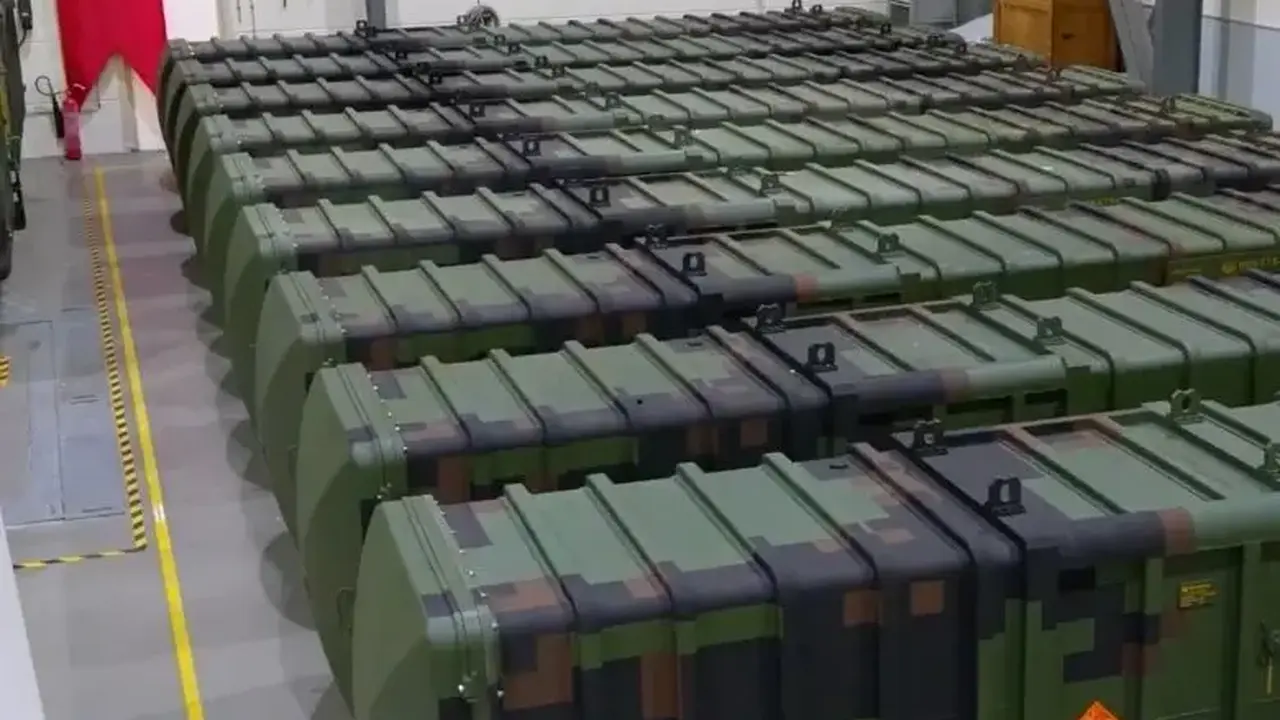
On October 22, 2026, the Turkish Ministry of National Defense (MSB) officially confirmed that the Turkish Land Forces Command has integrated a new batch of TAYFUN Blok-2 ballistic missiles into its active inventory. During a weekly press briefing, MSB spokesperson Rear Admiral Zeki Aktürk announced that the military successfully took delivery of these advanced domestic systems alongside new Fırtına-2 self-propelled howitzers. While the official statement did not disclose specific quantities, delivery timelines, or detailed operational deployment plans, the addition of the TAYFUN Blok-2 underscores Turkey’s growing commitment to bolstering its long-range strike capabilities through indigenous technological advancements.
- The Ministry of National Defense confirmed the successful delivery of TAYFUN Blok-2 ballistic missiles to the Land Forces.
- The procurement process includes the integration of modern Fırtına-2 howitzers into the military inventory.
- ROKETSAN continues to lead the development of the domestic TAYFUN missile family for strategic ground-based operations.
- Technical specifications regarding the range and guidance architecture of the Blok-2 variant remain classified for security reasons.
Defense Capabilities are Strengthened with New Deliveries
The TAYFUN missile system represents a significant milestone in Turkey’s journey toward total defense autonomy. Developed by the domestic defense giant ROKETSAN, the system is designed to provide long-range, high-precision strike capabilities from mobile land-based platforms. The recent delivery of the TAYFUN Blok-2 variant suggests that the program has successfully transitioned from the research and development phase to full-scale operational status within the Turkish Armed Forces 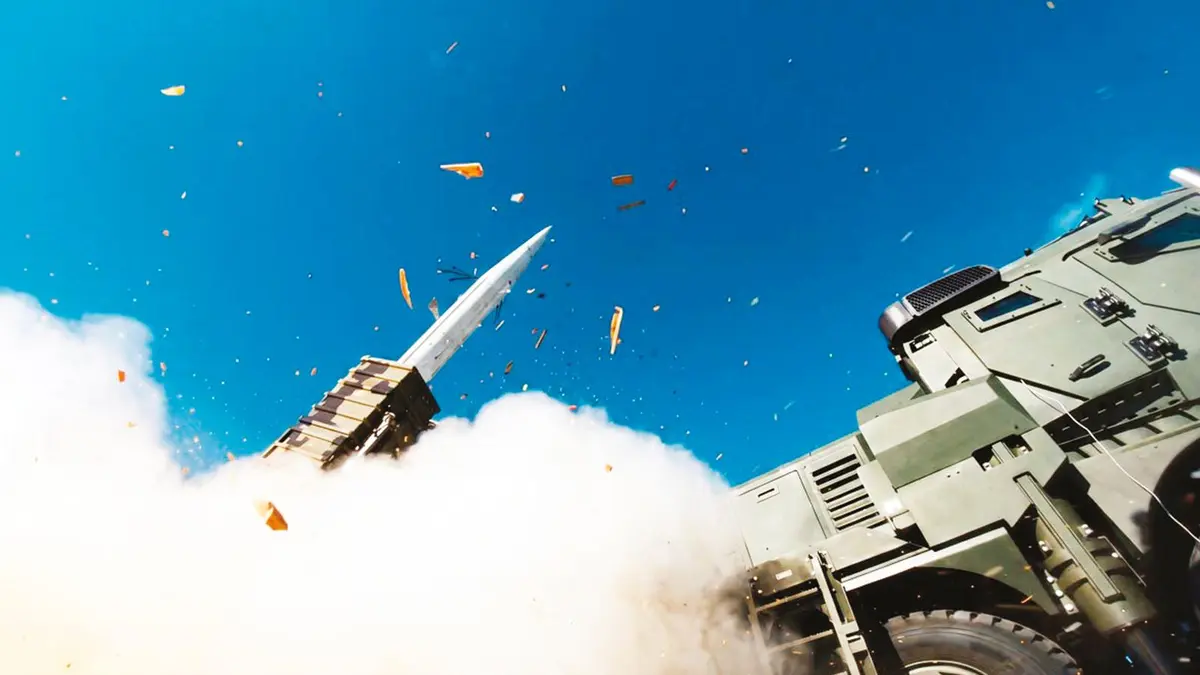 .
As a critical component of the national ballistic missile portfolio, the TAYFUN family is engineered to address contemporary security threats by offering enhanced reach and tactical flexibility. By integrating these systems into the land forces, Turkey aims to establish a more robust deterrent posture in the region, ensuring that its ground units possess the necessary reach to engage high-value targets effectively and independently of external supply chains.
Technical Specifications Remain Strategically Classified
Despite the excitement surrounding the deployment, the technical details of the TAYFUN Blok-2 remain largely shielded from public disclosure. Authorities have not released comprehensive data regarding the missile’s exact operational range, payload capacity, or the sophisticated guidance architecture that enables its precision. This lack of public data is standard practice for sensitive strategic weapon systems, where maintaining operational secrecy is paramount to national security 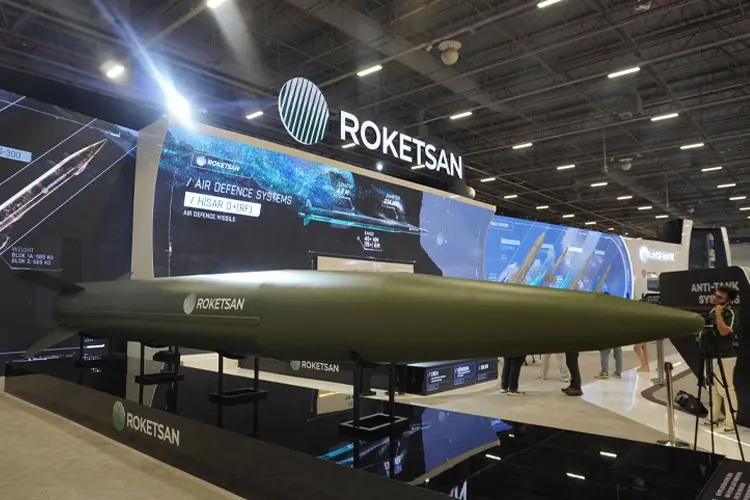 .
Engineering expertise required for such systems encompasses a wide range of disciplines, including advanced aerodynamics, propulsion technology, and flight control systems. The ongoing production and deployment of the Blok-2 confirm that Turkish engineers have successfully mastered these complex processes, turning theoretical designs into reliable, field-ready military hardware that meets the specific operational requirements of the Turkish Armed Forces.
Strategic Autonomy Remains a Long-term Priority
The continuous integration of indigenously developed systems like the TAYFUN Blok-2 reflects a broader shift in Turkey’s defense policy. By reducing reliance on foreign-made systems and fostering a domestic supply chain, the country is insulating its defense capabilities from international political volatility. The collaboration between the Ministry of National Defense and industrial partners like ROKETSAN ensures that the military receives cutting-edge technology tailored to the evolving needs of modern warfare.
As the inventory of these long-range assets grows, the military’s ability to project force and maintain control over its borders is expected to improve significantly. While the specific number of missiles delivered remains classified, the steady inflow of these systems indicates a sustained effort to maintain technological parity with global peers in the ballistic missile domain.
We value your perspective on Turkey’s advancements in domestic missile technology and the strategic implications of the TAYFUN program. Please share your thoughts in the comments section below regarding how these developments might influence regional security dynamics.
Your comment has been submitted,
it will be published after approval.