
Google Meet Introduces Real-Time Translation for 63 Languages

Google has officially expanded the capabilities of its Google Meet video conferencing platform by integrating advanced real-time translation features. Powered by the sophisticated Gemini 3.5 Live Translate model, this update significantly reduces language barriers in global business by offering support for 63 different languages, including Turkish. The deployment targets Google AI Pro, AI Ultra subscribers, and specific Workspace users, marking a major milestone in how remote teams communicate across international borders. By automating the translation process during live meetings, Google aims to streamline professional interactions and ensure that participants from diverse linguistic backgrounds can contribute effectively without needing manual intervention.
- Google Meet has extended its real-time translation support to include 63 distinct languages via the Gemini 3.5 Live Translate model.
- The platform utilizes automated language detection to generate live, accurate subtitles during ongoing video calls.
- Access to this advanced translation technology is currently restricted to Google AI Pro, AI Ultra, and selected Workspace accounts.
Global Communication Barriers Are Being Eliminated
Language differences have historically presented a major hurdle in international business collaboration, often leading to misunderstandings or exclusion in virtual meeting environments. By incorporating a broad spectrum of languages, Google is effectively neutralizing these obstacles. While previous versions of the tool were restricted to a handful of major global languages such as French, Spanish, and Italian, the current update encompasses a much wider reach, including Turkish, Arabic, Japanese, and Russian. 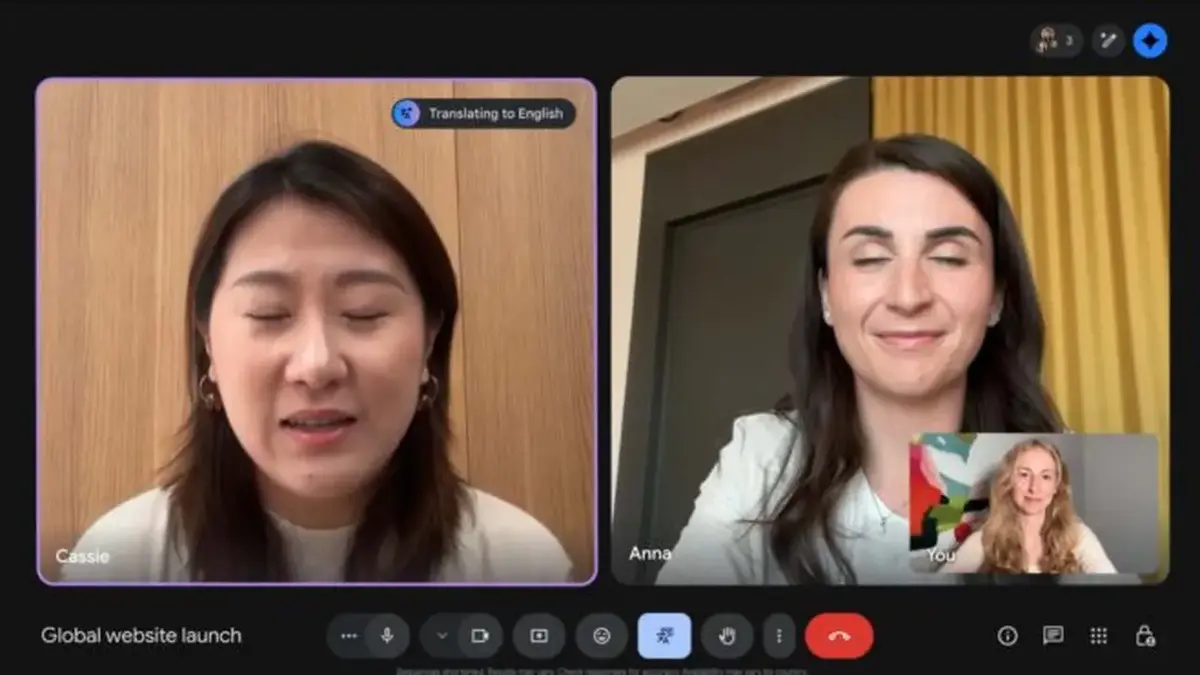
The technical implementation relies on an automated, instantaneous workflow. As participants speak, the platform processes the audio and renders subtitles directly on the screen in the chosen language. This seamless integration not only boosts productivity by keeping all stakeholders aligned but also enhances accessibility for individuals with hearing impairments or those who may not be fluent in the primary language of the meeting.
Gemini Technology Is Enhancing Translation Accuracy
The transition to the Gemini 3.5 Live Translate model represents a significant leap forward in machine learning application. Unlike legacy translation tools that often struggled with colloquialisms or rapid speech, this new model prioritizes contextual accuracy and natural language flow. The sophisticated automatic language detection feature removes the burden of manual configuration, allowing users to focus entirely on the meeting agenda rather than platform settings.
As Google continues to refine its AI infrastructure, the performance of these translation tools is expected to improve further. This development is widely viewed as a strategic move to maintain Google Meet’s competitive edge against other popular video communication platforms. By prioritizing the removal of linguistic friction, Google is positioning its suite of tools as the essential standard for modern, globalized work environments. Future updates will likely expand access to a broader user base, further democratizing the power of real-time communication technology.
How do you anticipate that real-time, AI-driven translation will transform the daily dynamics of your international business meetings? Please share your thoughts and experiences regarding the impact of this technology on global collaboration in the comments section below.
Your comment has been submitted,
it will be published after approval.