
Turkey and Canada Sign Strategic Defense Industry Cooperation Agreement

On October 22, 2026, during an official visit to Ankara, Canadian Prime Minister Mark Carney and Turkish officials finalized a significant memorandum of understanding to bolster their defense industry cooperation. This strategic framework, signed in the presence of President Recep Tayyip Erdogan, aims to foster deeper partnerships between Turkish and Canadian defense companies while unlocking new commercial opportunities. By formalizing this commitment, both nations intend to strengthen the NATO alliance, enhance shared security interests, and promote job creation and export growth in the defense sector, marking a new chapter in bilateral relations between the two countries.
- The memorandum of understanding establishes a framework for future industrial partnerships without committing to specific weapon systems or procurement contracts.
- The agreement serves as a core component of a broader three-year action plan that elevates bilateral relations to a strategic partnership level.
- Canada officially removed its previous defense export restrictions against Turkey in January 2024 to facilitate these new commercial ties.
New Partnerships are Being Formed in the Defense Sector
The signing of the Defense Sector Partnerships Memorandum of Understanding marks a pivotal shift in the diplomatic landscape between Ankara and Ottawa. While the agreement does not mandate specific procurement quantities or name individual companies, it provides the necessary institutional structure for firms to explore collaborative research and development. 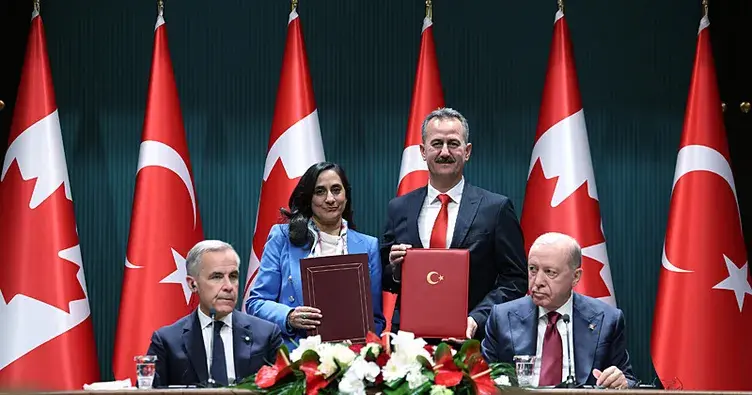
Both countries possess complementary technological strengths that could prove vital in future projects. Turkey has demonstrated significant advancements in unmanned aerial vehicles, electronic warfare systems, and indigenous military platform development. Meanwhile, Canada maintains a robust industrial base in aerospace engineering, advanced sensors, and sophisticated electronics. By aligning these capabilities, both nations hope to capitalize on global market demands through joint ventures.
Bilateral Relations are Reaching a Strategic Level
The defense agreement is merely one facet of a comprehensive three-year action plan designed to harmonize economic, energy, and security interests. During the high-level meetings, leaders from both countries confirmed their commitment to addressing regional security challenges through increased coordination. As NATO allies, the reinforcement of these ties is viewed as essential for maintaining collective stability in a rapidly changing global environment.
Beyond defense, the two nations have agreed to initiate negotiations for a formal free trade agreement to stimulate economic growth. Furthermore, the Canadian government has announced its intention to lead a trade delegation to Turkey in 2027, signaling a long-term commitment to deepening commercial engagement across multiple sectors.
Export Restrictions are Being Resolved Successfully
The path to this partnership has not been without historical challenges. Between 2019 and 2020, Canada implemented strict limitations on military exports to Turkey, a move that particularly impacted the supply of electro-optical systems used in Turkish drone technology. However, the lifting of these restrictions in January 2024 served as a critical turning point, effectively removing the primary obstacle to the current diplomatic thaw.
The newly signed memorandum now cements this progress by providing a transparent and stable environment for companies to pursue long-term collaboration. While no specific projects or funding amounts have been disclosed, the agreement creates a predictable regulatory landscape that invites investment from both the private and public sectors.
Future Projects are Being Encouraged Through This Framework
The current agreement functions as an enabling document rather than a contract for immediate delivery. Future successes will likely be measured by the specific joint development projects, production partnerships, and export agreements that arise between individual defense contractors in the coming years. As both nations continue to align their strategic objectives, this institutional framework ensures that both the Turkish and Canadian defense industries are well-positioned to meet modern military requirements.
We invite you to share your thoughts on how this strategic partnership might influence the future of defense technology and economic growth; please leave your comments below to join the discussion.
Your comment has been submitted,
it will be published after approval.