
Turkish Armed Forces Successfully Conducted MEHDEN-26 Electronic Warfare Exercises

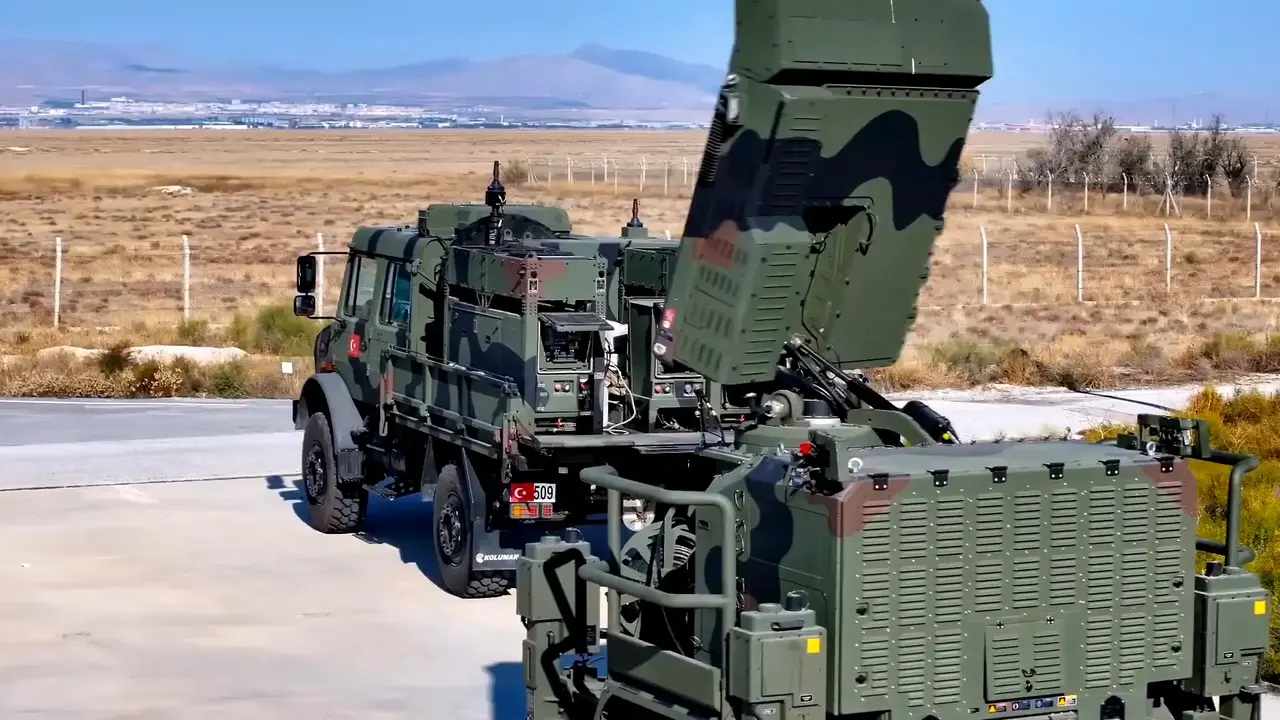
The Turkish Armed Forces (TSK) successfully executed the Joint Electronic Warfare Exercises-2026 (MEHDEN-26) at the Air Force Electronic Warfare Test and Training Center in Konya between October 19 and 23, 2026. This comprehensive military activity, announced by the Ministry of National Defense, aimed to evaluate the operational effectiveness of current electronic warfare systems while simultaneously testing new prototypes currently under development. By bringing together various branches of the military, the Presidency of Defense Industries, and private defense contractors, the exercise sought to identify critical technical and tactical requirements necessary to maintain superiority in the increasingly complex electromagnetic spectrum of modern battlefields.
- The MEHDEN-26 exercises focused on assessing the performance of active electronic warfare systems and testing new technologies under development.
- The five-day event involved collaboration between the General Staff, the Ministry of National Defense, the Presidency of Defense Industries, and various private sector defense firms.
- The primary objective of the program was to identify technical and tactical improvements to enhance the operational readiness of Turkish military assets.
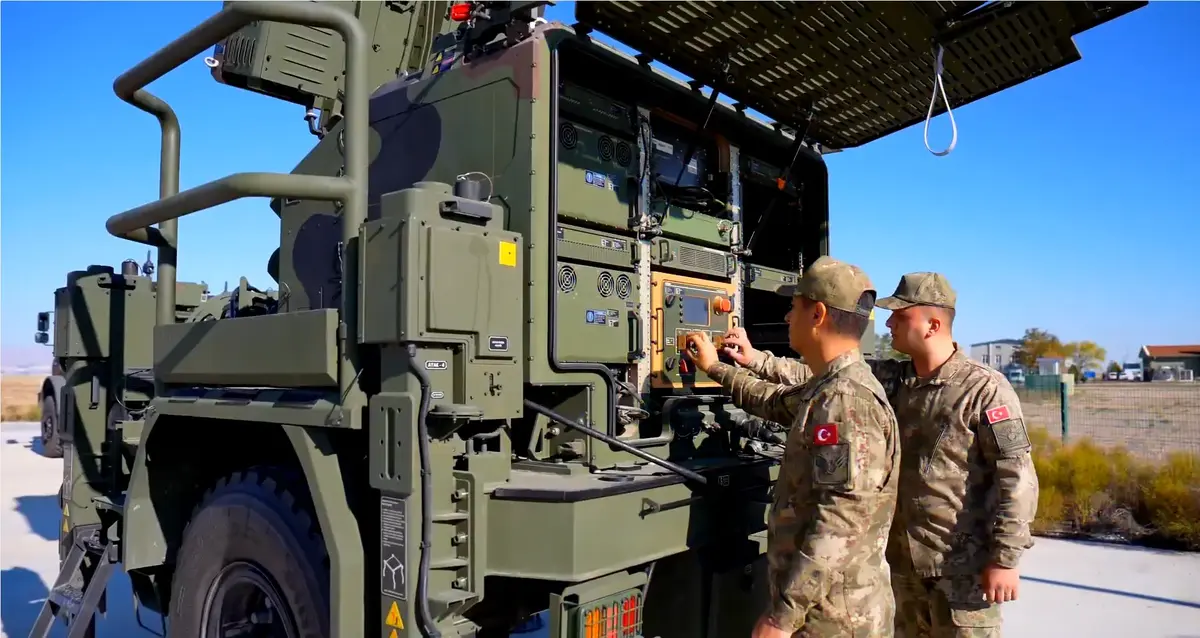
Various Defense Stakeholders Participated in the Exercises
The success of the MEHDEN-26 program relied on the multi-agency coordination between critical stakeholders within the Turkish defense ecosystem. According to official statements, the event facilitated a high-level integration between the General Staff, various Force Commands, and the Presidency of Defense Industries. By integrating these diverse organizations into a single testing environment, the military ensured that feedback from end-users was directly communicated to the developers and engineers working on next-generation systems.
Current and Emerging Technologies Were Evaluated
A central pillar of the exercise involved putting both deployed and emerging electronic warfare solutions through rigorous field scenarios. These tests were designed to measure how hardware performs when subjected to challenging electromagnetic conditions, including real-world threat simulations and complex operational environments. While the Ministry of National Defense has not disclosed specific performance metrics or detailed technical findings, the data gathered during these five days serves as a vital blueprint for future system iterations. This feedback loop is essential for ensuring that Turkish military units maintain an advantage in environments where electronic dominance is often the deciding factor in mission success.
Modern Combat Requires Advanced Electronic Warfare Capabilities
In the theater of modern warfare, the electromagnetic spectrum has become as significant as land, sea, or air domains. Electronic warfare encompasses three primary functional areas: electronic support to detect and classify signals, electronic attack to neutralize enemy systems, and electronic protection to ensure that friendly communications and sensors remain operational. As radar, satellite navigation, and data link technologies become more prevalent, the ability to protect one’s own infrastructure while simultaneously disrupting adversary operations becomes paramount. This is why Turkey continues to prioritize investments in domestic electronic warfare technologies, ensuring that its systems are fully capable of operating in dense and contested environments.
Future Defense Strategies Will Incorporate New Findings
Looking ahead, the findings from MEHDEN-26 will likely influence the ongoing development projects outlined in the 2024–2028 Defense Industry Sectoral Strategy Document. These strategic initiatives emphasize the importance of domestic innovation in signal processing and radar technology. By continuously testing and refining these assets, Turkey aims to modernize its arsenal in line with evolving global security challenges. Although specific results from the Konya exercises remain classified, the commitment to such high-level testing underscores a long-term dedication to achieving technological autonomy in the defense sector.
How do you evaluate the strategic importance of electronic warfare systems in modern military conflicts? We welcome your expert thoughts and perspectives in the comments section below.
Your comment has been submitted,
it will be published after approval.