
Turkey Advances HAVA SOJ Electronic Warfare Aircraft Flight Tests

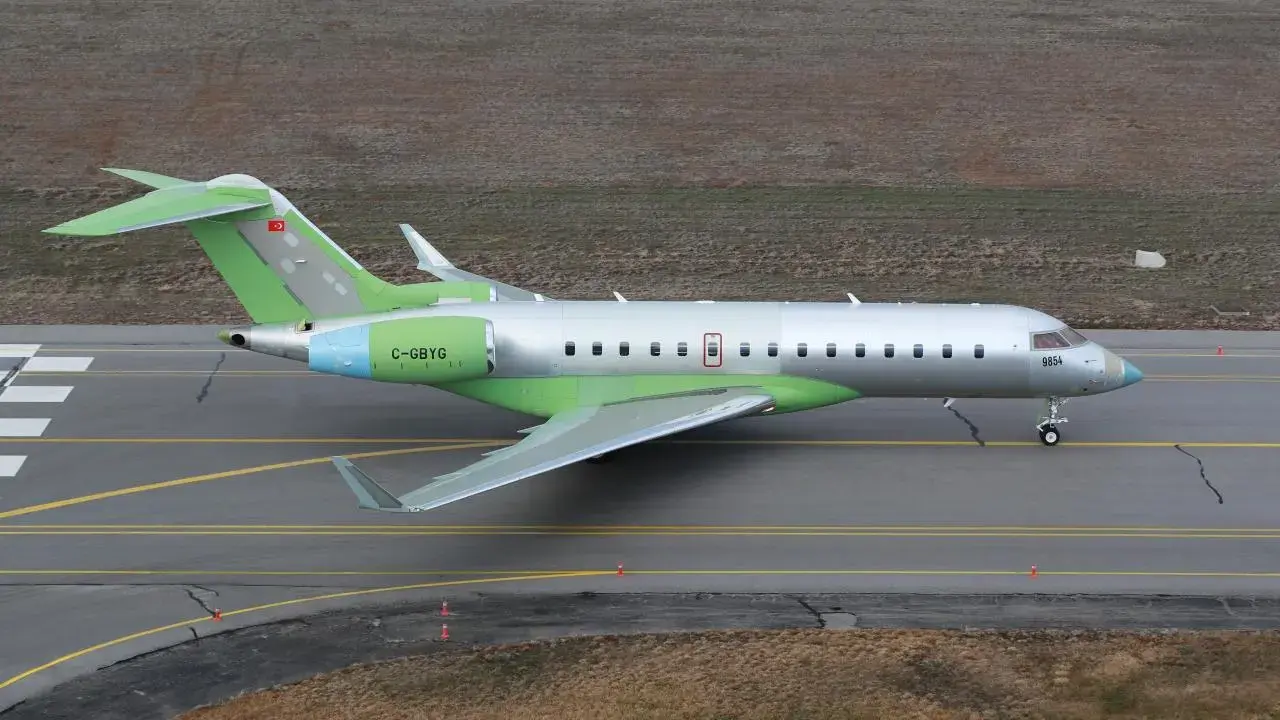
Turkey continues to make significant strides in its national defense capabilities as the HAVA SOJ project, aimed at developing advanced airborne electronic warfare systems, enters a critical phase of flight testing. Designed specifically for the Turkish Air Force, these specialized aircraft are engineered to detect, analyze, and disrupt enemy radar and communication networks from a safe distance. According to recent updates from TUSAŞ General Manager Mehmet Demiroğlu, two of the four planned aircraft are currently undergoing rigorous qualification flights, with the first delivery to the Turkish military expected in 2027 to bolster the nation’s strategic electronic superiority.
- The project encompasses the delivery of four specialized aircraft equipped for electronic support and attack missions.
- Qualification flight tests are currently underway for two of the primary HAVA SOJ platforms.
- TUSAŞ and ASELSAN are collaborating to integrate complex mission systems into the commercial jet platforms.
- The initial delivery of the first two operational aircraft is targeted for the year 2027.
HAVA SOJ Executes Electronic Attacks Without Entering Threatened Zones
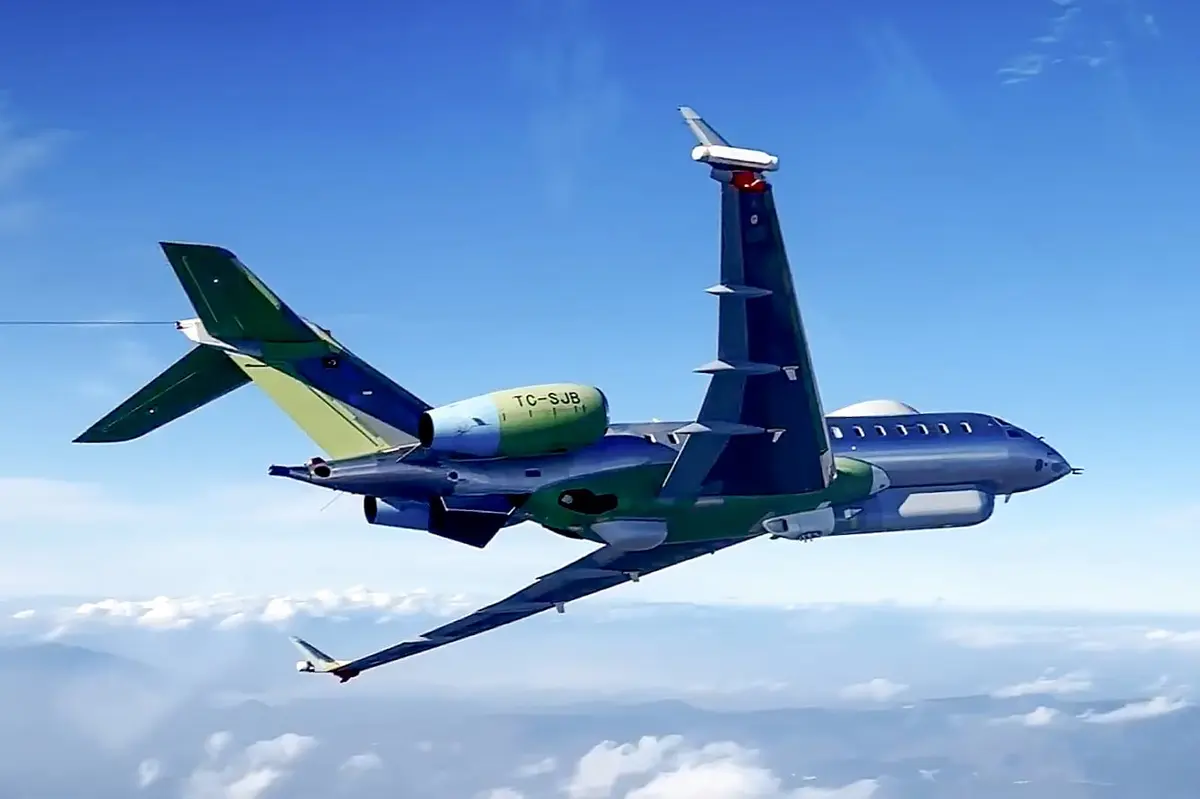
The primary mission of the HAVA SOJ platform is to provide the Turkish Air Force with an unmatched edge in the electromagnetic spectrum. By conducting electronic support and attack operations, the aircraft can identify and classify potential threats without the need to penetrate high-risk air defense zones. This capability ensures that friendly assets remain protected while the system suppresses or confuses enemy electronic infrastructure.
The system operates by performing real-time signal analysis. By monitoring radar and radio communications, the aircraft provides commanders with critical intelligence that informs mission planning. Through precise electronic jamming, the platform effectively neutralizes hostile systems, allowing for safer operational environments for other friendly aircraft. This standoff distance is a defining feature of the design, prioritizing the survivability of the platform while maintaining maximum mission impact.
TUSAŞ And ASELSAN Coordinate System Integration Efforts
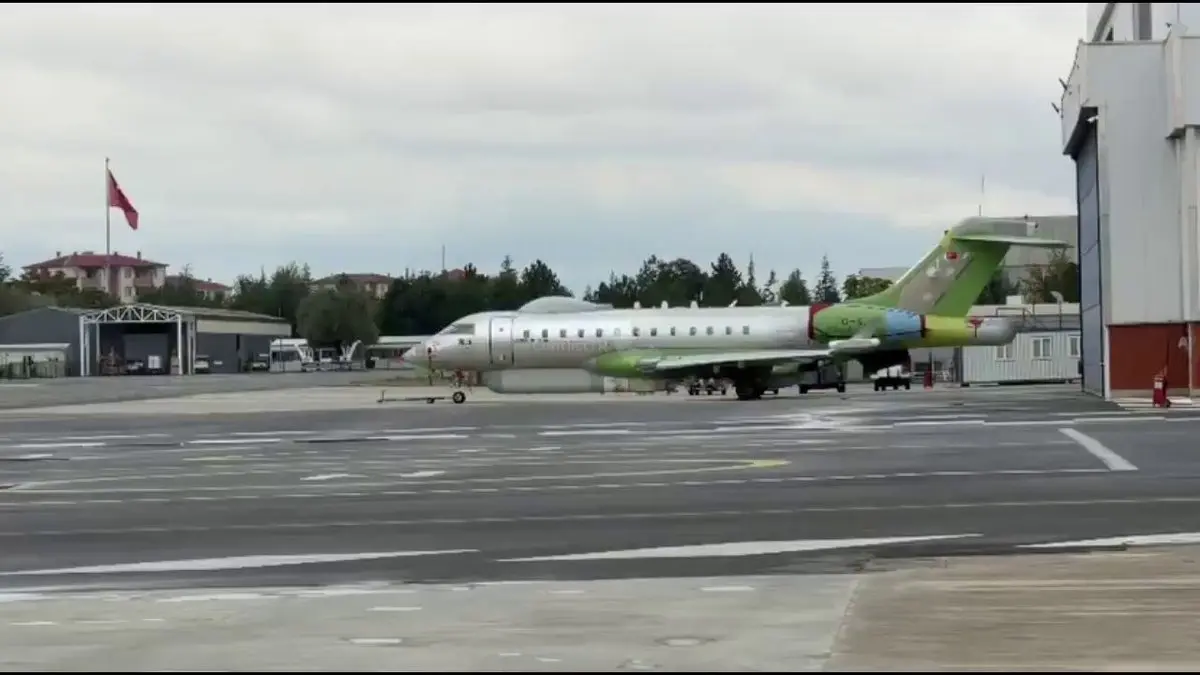
The HAVA SOJ program represents a massive collaborative effort within the Turkish defense industry. TUSAŞ is responsible for the complex structural modifications of the aircraft, ensuring that the airframe can accommodate specialized antennas and mission equipment. Simultaneously, ASELSAN leads the development of the sophisticated electronic warfare suites that serve as the brains of the operation. Under the coordination of the Presidency of Defense Industries, the project requires meticulous verification to ensure that all internal and external subsystems function in harmony.
Qualification Processes Proceed With Two Aircraft
Current reports indicate that the qualification phase is progressing steadily for two specific aircraft. One unit has completed its internal mission system integration, while the other has finished its external structural modifications. These qualification flights serve as the ultimate test of reliability and performance under simulated combat conditions. While 2027 remains the target for the initial handover, the timeline remains subject to the successful completion of these rigorous validation milestones.
Ground Support Infrastructure Grows Alongside Fleet Development
Beyond the aircraft themselves, the HAVA SOJ project involves the construction of comprehensive support facilities. This includes the establishment of dedicated hangars, fleet maintenance buildings, and advanced mission planning centers. These facilities are essential for the long-term sustainability of the fleet, providing the necessary infrastructure for personnel training and post-mission data analysis, which are vital components of modern electronic warfare operations.
Strategic Importance Increases For National Electronic Warfare
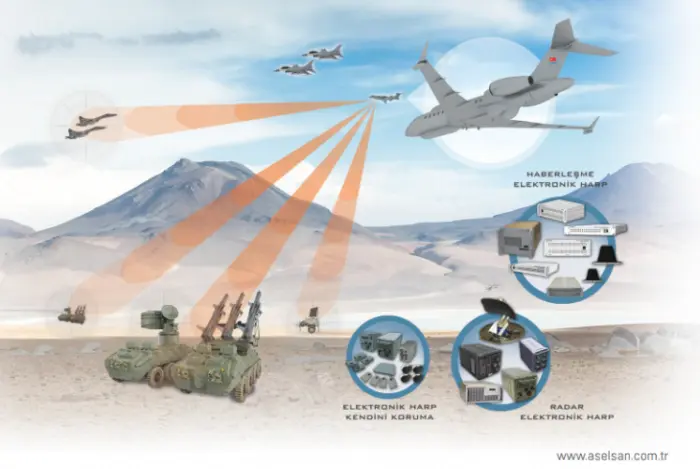
The introduction of the HAVA SOJ will complement Turkey’s existing ground-based electronic warfare assets by providing a mobile, airborne perspective. This aerial advantage allows for broader coverage and faster response times in dynamic combat scenarios. As Turkey continues to refine its domestic defense technology, the HAVA SOJ stands as a testament to the nation’s growing capacity to conduct complex, technology-driven operations independently.
How do you think the integration of long-range electronic warfare platforms like HAVA SOJ will reshape the future of aerial defense strategies in the region? We invite you to share your thoughts and technical insights in the comments section below.
Your comment has been submitted,
it will be published after approval.