
iPhone Duo Teardown Reveals Complex Internal Hardware and Battery Specs

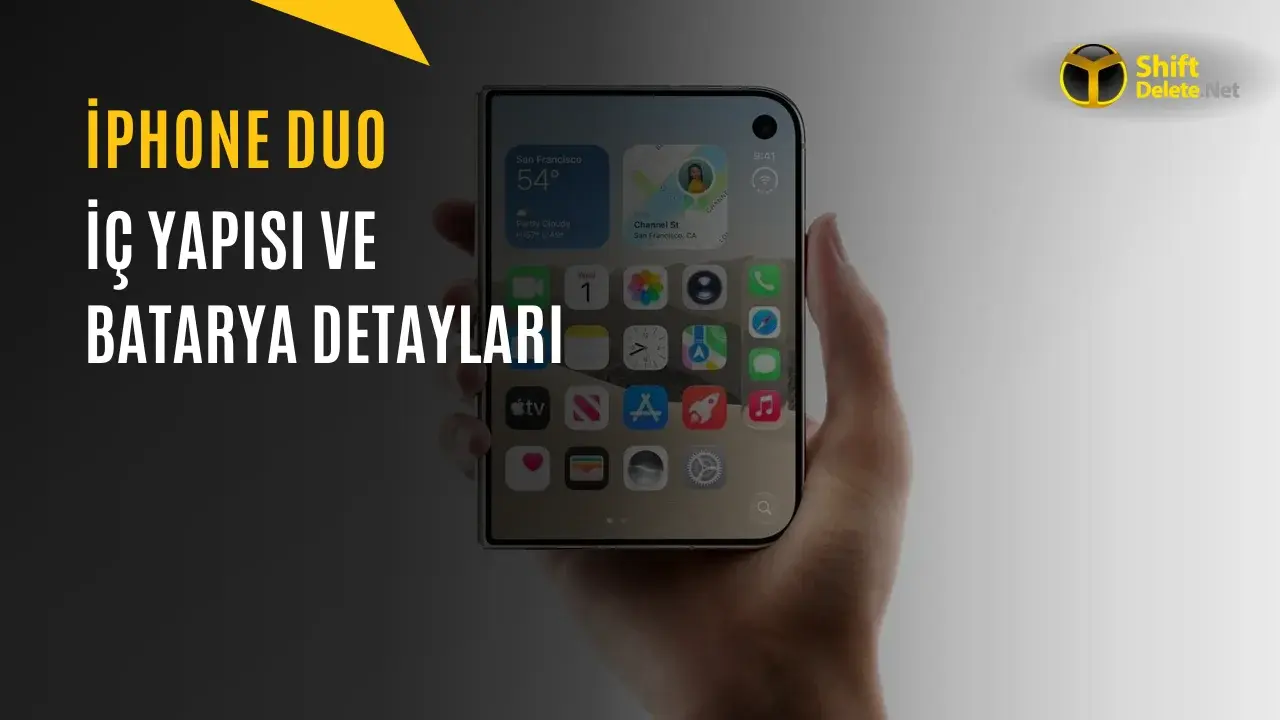
Recent teardown videos from REWA Technology and Phone Repair Guru have provided tech enthusiasts with an in-depth look at the internal components of the new iPhone Duo. These comprehensive technical investigations, released simultaneously with Apple’s official repair manuals, highlight the sophisticated engineering and complex modular design choices made by the company. By disassembling the device, experts have confirmed critical specifications regarding its hardware architecture, including battery configurations and the integration of the A20 Pro chip. These findings offer valuable insights for both independent repair services and curious consumers regarding the device’s inner workings and potential long-term maintenance challenges.
- The iPhone Duo features a dual-cell battery system with a combined capacity of 4,883 mAh.
- Apple utilizes an electrically activated adhesive technology to secure the battery cells within the chassis.
- The device incorporates a fully modular USB-C charging port to simplify specific repair procedures.
- Hardware analysis confirms the exclusive use of eSIM technology for global connectivity requirements.
Battery Capacities and Internal Components Influence Performance
The internal architecture of the iPhone Duo is defined by a dual-battery configuration that totals 4,883 mAh. This setup consists of a larger 2,962 mAh cell paired with a smaller 1,921 mAh unit. To manage this density, Apple has implemented a specialized adhesive technology that requires an electrical current for removal, a process that necessitates specific tools and training for technicians. Beyond the power system, the logic board houses the custom-designed A20 Pro chip and a C2 cellular modem, which serve as the foundation for the device’s processing capabilities.
Furthermore, the decision to support only eSIM technology globally significantly impacts the internal layout of the phone. Engineers had to balance these components within a compact frame, requiring extreme precision to maintain structural integrity and protect delicate internal hardware. This meticulous arrangement underscores Apple’s commitment to miniaturization even as features become more power-intensive.
Repair Processes Require Specialized Technical Skills
Understanding the repairability of the iPhone Duo reveals a mixed landscape for technicians. For instance, while the USB-C charging port is designed as a modular component, which facilitates easier replacement in the event of failure, other parts remain difficult to service. Phone Repair Guru noted that the Touch ID button, while technically removable, requires a highly invasive procedure that poses significant risks to the surrounding hardware. These complexities emphasize that while some aspects of the phone are built with serviceability in mind, others still demand professional-grade intervention.
The release of the official repair manual by Apple acts as a critical resource for those attempting to service these devices. Experts anticipate that platforms like iFixit will provide further technical breakdowns in the coming weeks, offering additional clarity on the long-term feasibility of independent repairs. As the industry continues to monitor these developments, the integration of modular parts suggests a gradual shift toward more accessible maintenance protocols for high-end smartphones.
The intricate engineering choices found inside the iPhone Duo raise many questions about the future of smartphone repairs. We invite you to share your thoughts in the comments section below regarding whether you believe these design changes make the device more sustainable or simply harder to maintain.
Your comment has been submitted,
it will be published after approval.