
New Zagitta Tool Unlocks NVIDIA GPU AI Potential

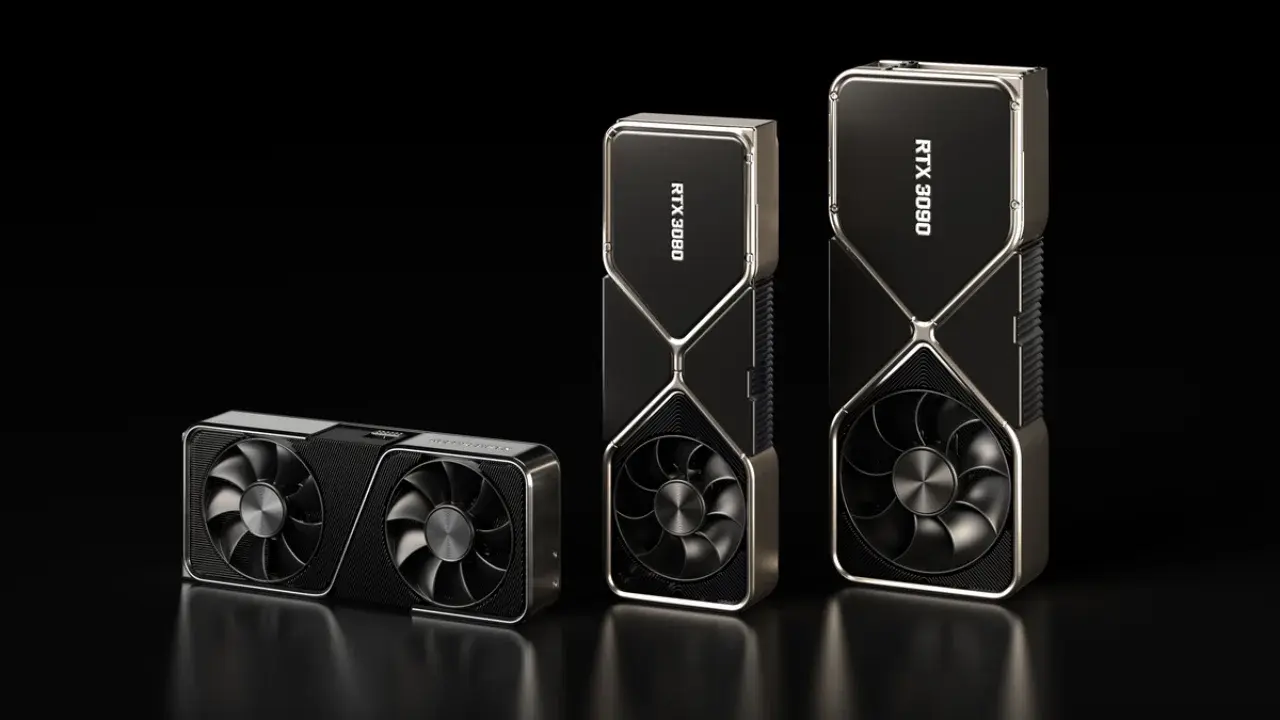
A groundbreaking open-source Linux kernel module named Zagitta has emerged, effectively removing the artificial AI performance locks on NVIDIA GeForce RTX 30 and RTX 40 series graphics cards. By modifying hardware-level speed selectors before the NVIDIA driver initializes, this tool allows consumer-grade GPUs to reach professional-tier AI computational speeds without the need for risky vBIOS flashing. As developers and researchers discover that these cards can now double their FP16 and BF16 processing power, the secondary market for high-end NVIDIA hardware has experienced a sudden and significant price surge, directly impacting the availability of affordable GPUs for gamers.
- The Zagitta Linux kernel module bypasses established hardware limitations to increase FP16 and BF16 calculation speeds significantly.
- Users can achieve up to an 80 percent increase in raw processing power on Ampere-architecture RTX 30 series GPUs.
- Second-hand prices for high-VRAM cards like the RTX 3090 have doubled due to the newfound demand from AI developers.
- The software tool operates without requiring permanent firmware modifications or repeated patching after driver updates.
Zagitta Tool Modifies Hardware Parameters
For years, NVIDIA implemented specific command processing restrictions on its consumer gaming cards to differentiate them from expensive enterprise-grade accelerators. The Zagitta project, currently circulating within the open-source community, targets these specific limiters by adjusting hardware-level speed selectors at the kernel level. By intervening during the boot process, the module enables GA102, GA103, GA104, and GA106 graphical chips to execute FP/BF16 FMA commands at velocities previously reserved for professional hardware. This method is considered safer than traditional vBIOS flashing because it does not alter the permanent firmware of the card, and it remains compatible with standard NVIDIA driver updates.
Performance Gains Transform AI Workloads
Initial benchmarks suggest that users can realize substantial improvements in computational efficiency, particularly with Ampere-based hardware. For instance, the RTX 3090 Ti has seen its BF16 processing power jump from 87.5 TFLOPS to over 157 TFLOPS, while the RTX 3080 shows similar gains in FP16 operations. These technical enhancements translate into real-world benefits for large language model (LLM) workflows, where prefill times for long-context queries have dropped by approximately 35 percent. Such metrics demonstrate that consumer GPUs are now capable of competing with professional workstations in specific machine learning tasks.
Secondary Markets Experience Rapid Price Escalations
While the Zagitta tool is currently limited to Linux environments, its release has triggered a massive interest surge among AI researchers who seek cost-effective alternatives to expensive enterprise hardware. The high VRAM capacity of 24GB models like the GeForce RTX 3090 makes them highly desirable for model fine-tuning and local inference. Consequently, market prices have soared, with RTX 3090 units that were recently valued at $1,000 now reaching prices exceeding $2,000. This sudden shift in market dynamics creates a challenging environment for gamers who are seeing their preferred hardware disappear or become prohibitively expensive. The industry remains watchful as the gap between consumer and professional hardware capabilities continues to shrink through software innovation.
Do you believe the rise of these AI-unlocking tools justifies the sudden price hike in the used GPU market, or should NVIDIA prioritize keeping gaming hardware accessible for its core audience? Share your thoughts in the comments below.
Your comment has been submitted,
it will be published after approval.