
Turkey Launches Digital ID Wallet Pilot Starting in 2027

In a significant move to modernize public services, the Turkish Presidency has announced the development of a national digital ID wallet, set to launch its first prototype in 2027. This ambitious project aims to replace physical wallets by allowing citizens to store and verify official documents securely on their smartphones. Under the supervision of the Cyber Security Presidency and in coordination with the Ministry of Interior, the system will undergo its initial testing phase at a selected university campus. This digital identity transformation marks the next evolution of the e-Government platform, effectively reducing the reliance on physical identification cards for daily transactions.
- The national digital ID wallet prototype is scheduled to begin its testing phase in 2027.
- The initial rollout will focus on digitizing national ID cards and university-related documents.
- The Cyber Security Presidency leads the project to ensure high-security standards for user data.
- Turkey intends to integrate the digital wallet with banking and notary services following successful pilot tests.
Physical Document Requirements Will Soon End
Despite the advancements in e-Government services, many citizens still face the burden of carrying physical, chip-enabled ID cards for banking, legal processes, and official petitions. The new digital ID wallet system addresses this long-standing issue by providing a secure, mobile-first solution for identity verification. By utilizing advanced encryption and biometric authentication, the government aims to enable citizens to handle complex administrative tasks entirely online, eliminating the need for hard-copy documents in most scenarios.
University Campuses Serve as the Testing Ground
The project will follow a modular implementation strategy, beginning with a pilot program at a designated higher education institution. During this phase, students and faculty will utilize the digital wallet for campus access, examination entry, and administrative record verification. 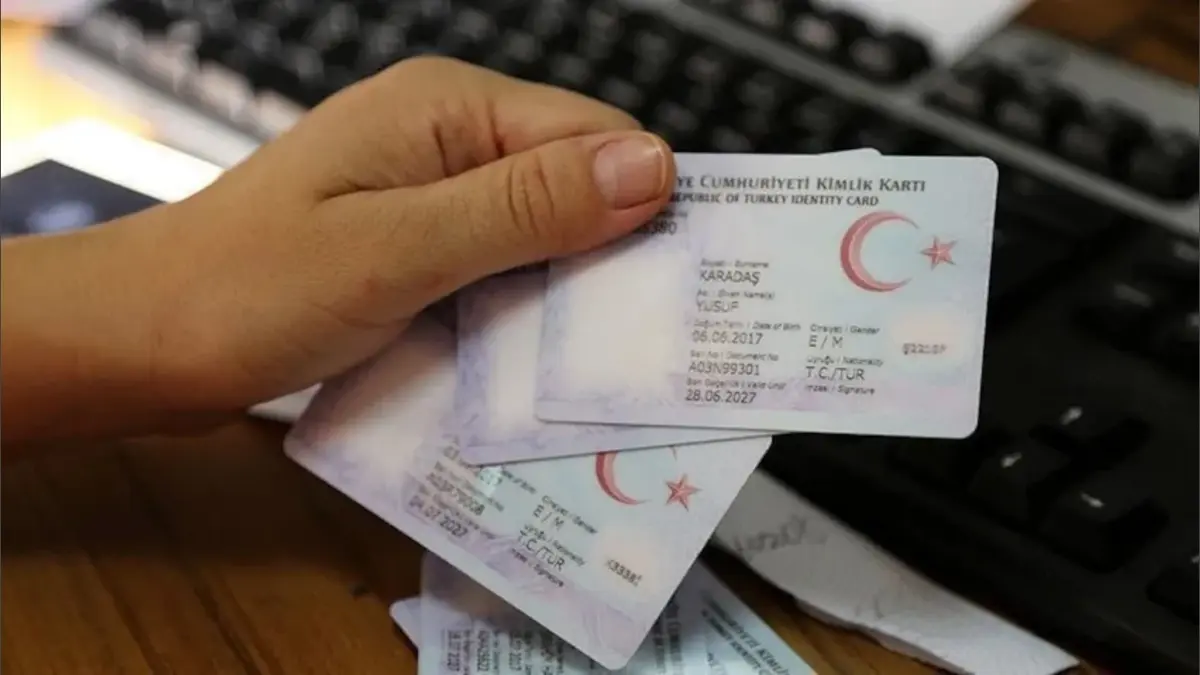 This controlled environment allows developers to monitor real-world performance, assess security vulnerabilities, and refine the user experience before the system expands to cover more sensitive public documents and services.
Global Examples Influence Digital Identity Standards
Turkey is aligning its digital infrastructure with successful international models, such as the European Union’s EUDI Wallet, Estonia’s comprehensive e-Eesti platform, and Denmark’s MitID system. These global examples demonstrate how a unified digital identity can streamline everything from cross-border verification to internet banking. Leveraging its existing, highly-integrated e-Government database, Turkey is well-positioned to accelerate the adoption of this national digital wallet, potentially outpacing other nations in the speed of its public service transformation.
Integration Plans Shape Future Public Transactions
While the initial scope focuses on identification and student records, the long-term vision involves a comprehensive integration with broader sectors. The government plans to link the digital wallet with the transportation, banking, and legal sectors to create a seamless, paperless society. As the technical roadmap continues to evolve, officials emphasize that security and personal data protection remain the top priorities for the infrastructure design. Further details regarding the official launch and nationwide availability will be shared as the pilot results are evaluated.
How do you feel about moving toward a completely paperless system for your official identification? Would you feel more secure with a digital ID on your phone, or do you prefer carrying a physical card? Share your thoughts and expectations for this digital transformation in the comments section below.
Your comment has been submitted,
it will be published after approval.