
Bayraktar TB3 Conducts Successful Sonobuoy Launch During TURNAs-2026 Exercise

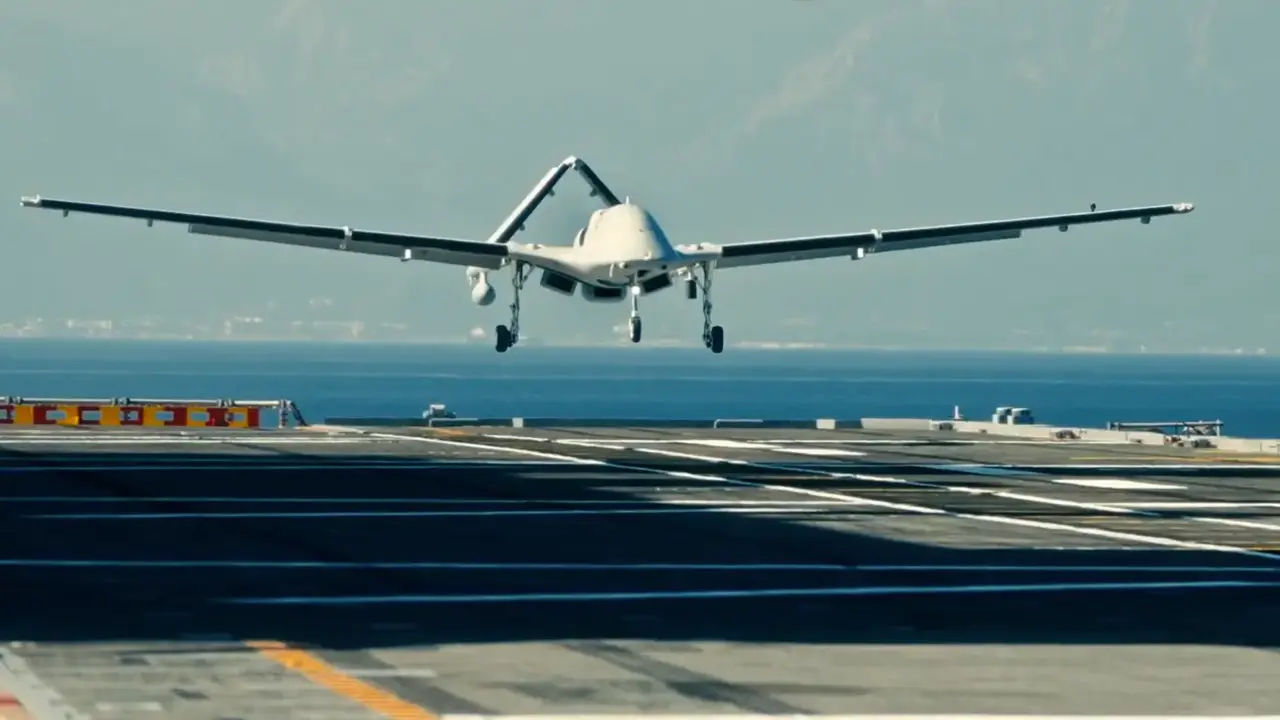
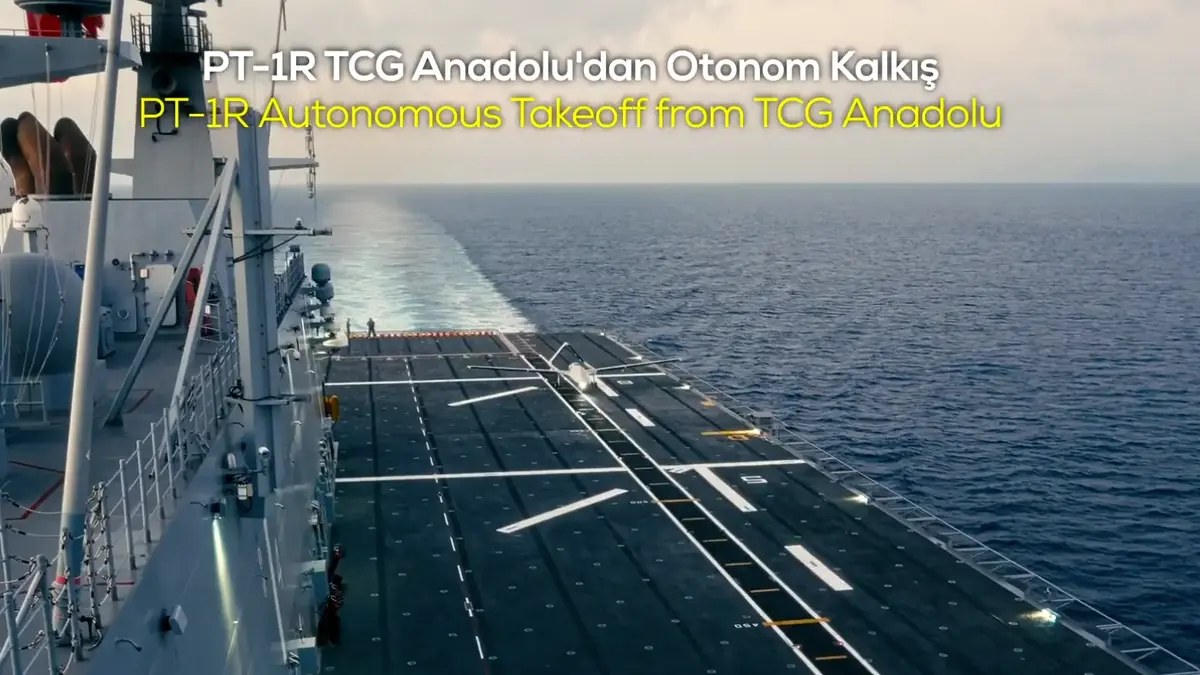
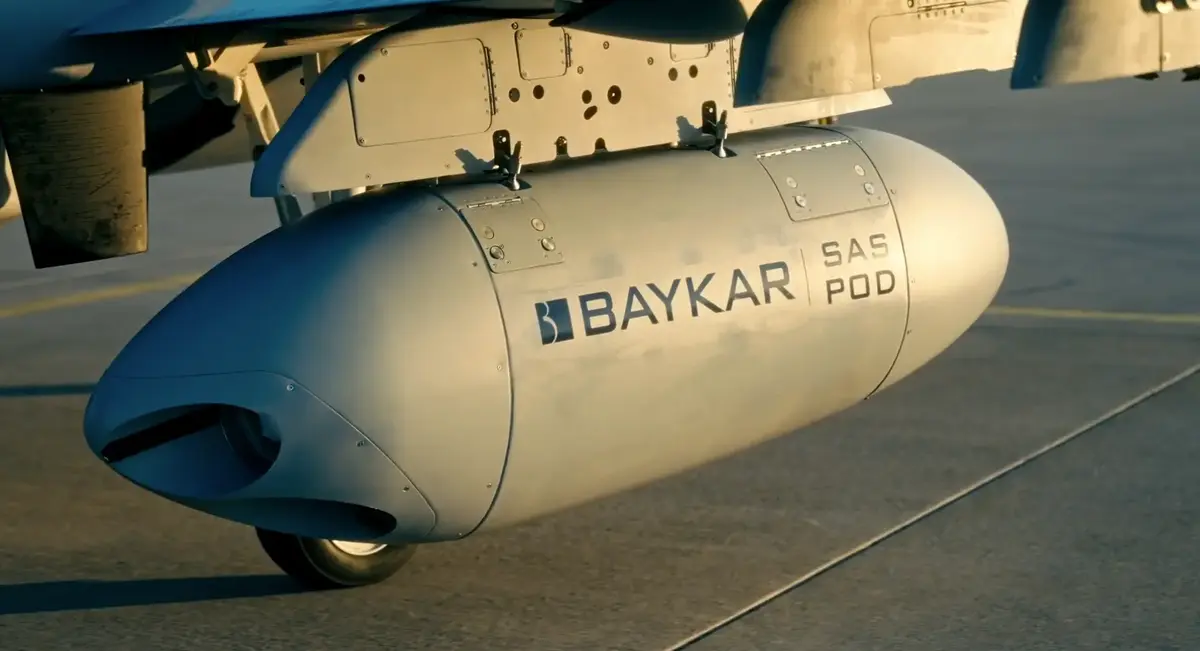
During the TURNAs-2026 military exercise held between October 19 and 27, 2026, the Bayraktar TB3 unmanned aerial vehicle (UAV) successfully performed a live sonobuoy deployment while operating from the TCG Anadolu amphibious assault ship. Baykar released footage on October 28 documenting the platform utilizing the Baykar Sonoboy Launch System (SAS POD) to drop sensors into the sea. This mission highlights the growing capability of ship-based UAVs to contribute effectively to anti-submarine warfare (ASW) operations by conducting real-time acoustic data collection and processing, marking a significant advancement in naval aviation technology for the Turkish Armed Forces.
- The Bayraktar TB3 UAV successfully demonstrated its anti-submarine warfare capabilities by deploying sonobuoys from the TCG Anadolu.
- The TURNAs-2026 exercise aimed to integrate unmanned systems into naval operations and improve interoperability between manned and unmanned platforms.
- Baykar’s specialized SAS POD system allows the TB3 to collect and process critical underwater acoustic data during maritime patrols.
The Bayraktar TB3 Enhances Maritime Security Operations
The successful integration of the SAS POD onto the Bayraktar TB3 represents a major leap forward for naval surveillance strategies. Sonobuoys are essential tools for detecting underwater threats, as they collect acoustic signatures that are vital for tracking enemy submarines. By deploying these sensors from an unmanned platform, the Turkish Navy can maintain a persistent presence in sensitive maritime zones without risking manned aircraft crews. This capability allows commanders to gather intelligence and process acoustic data in real-time, effectively bridging the gap between aerial surveillance and underwater warfare.
The Platform Demonstrates Versatile Combat Capabilities
This mission in the Gulf of Antalya is not the first time the Bayraktar TB3 has showcased such advanced features. During the Denizkurdu-I/2026 exercise in September, the UAV performed a similar deployment, proving that it can handle complex ASW missions consistently. Beyond merely dropping sensors, the TB3 serves as a central hub that can process data gathered from its own sonobuoys alongside inputs from other naval assets, such as maritime patrol aircraft. This multi-source data fusion capability provides a comprehensive underwater picture, which is critical for making informed tactical decisions in a contested maritime environment.
Naval Forces Evaluate Future Unmanned Strategies
The TURNAs-2026 exercise served as a testing ground for these next-generation technologies. According to the Ministry of National Defense, the primary objectives of the exercise included testing the tactical utility of new unmanned systems and ensuring seamless cooperation between different military units. The use of the Bayraktar TB3 in such a prominent role underscores the shift toward integrating autonomous systems into the core of naval doctrine. By conducting operations from the TCG Anadolu, the TB3 proves that it can project power far from the mainland, extending the operational reach of the Turkish Navy significantly.
As these technologies continue to mature, the role of unmanned aerial vehicles in safeguarding territorial waters and critical undersea infrastructure will only become more prominent. The successful deployment of sonobuoys is a testament to the platform’s adaptability and the technical sophistication of the domestic defense industry.
How do you think the integration of UAVs like the Bayraktar TB3 will reshape the future of naval anti-submarine warfare? Share your thoughts on the impact of unmanned systems on maritime security in the comments section below.
Your comment has been submitted,
it will be published after approval.