
Meta Humanoid Robot Prototype Built With China’s Fourier: Report

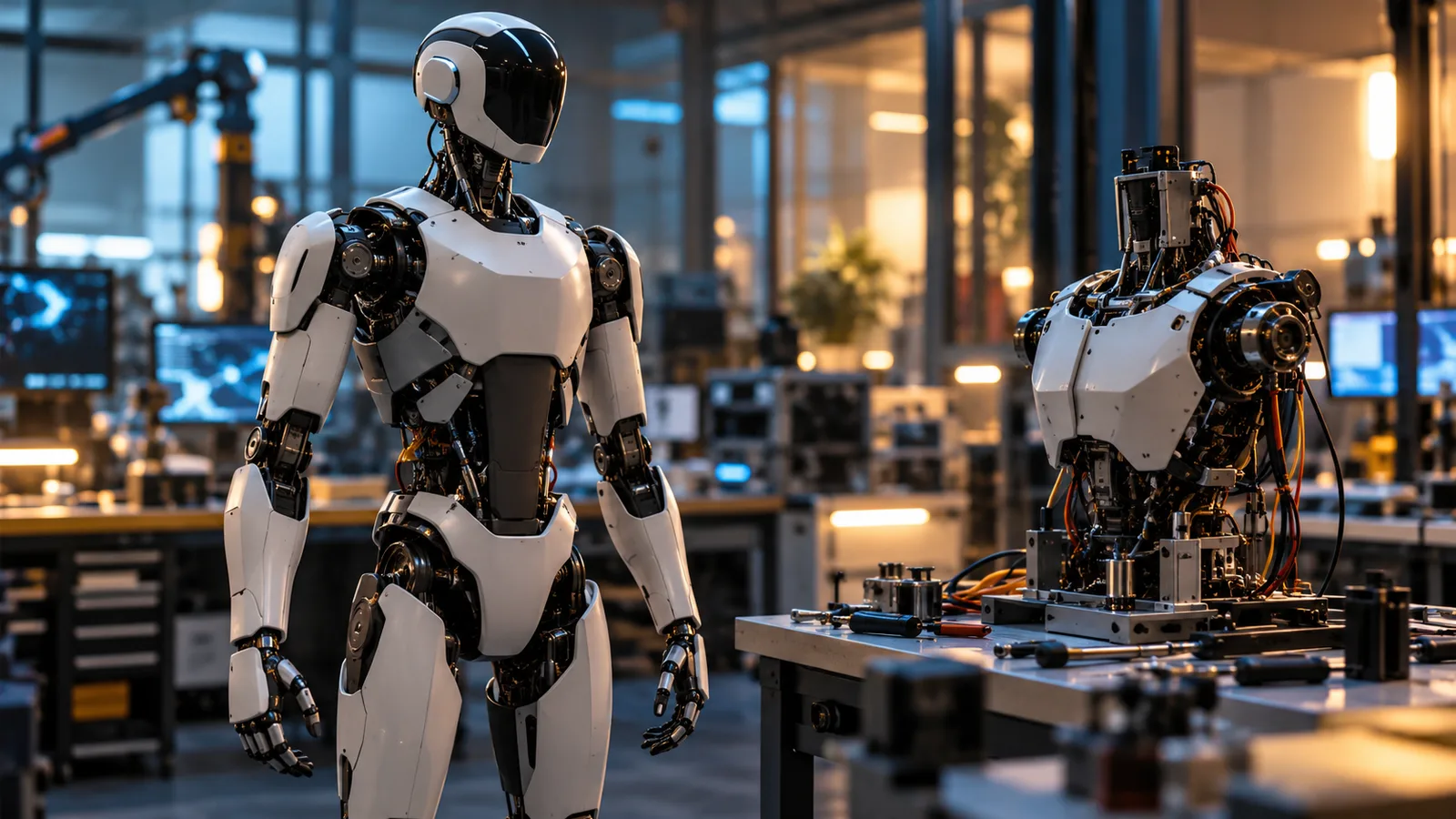
Meta has built a prototype humanoid robot together with Chinese robotics company Fourier and is already working on a second version, The Information reported on Saturday, October 31, 2026, citing people familiar with the project. The first Meta humanoid robot prototype reportedly took about three months to build, and Meta said it has no plans to sell the units.
The scoop, written by Jyoti Mann, was picked up by Reuters, which said it could not immediately verify the report. Neither Meta nor Fourier has published an announcement, specifications or images of the machine so far.
What we know about the Meta humanoid robot so far
According to the summary of The Information’s report, the key points are:
- Meta and Fourier built a working humanoid prototype in roughly three months.
- A second version is already in development.
- Meta says it has no plans to sell these units, which suggests they are research platforms rather than a consumer product.
Details such as the robot’s height, weight, name, cost or the exact division of work between the two companies have not been confirmed. Some social media posts have attached a name and a weight to the robot, but no reliable source has backed those claims up, so we are not repeating them here.
Who is Fourier?
Fourier is a Shanghai-based company founded in 2015 that started out making rehabilitation exoskeletons for patients before moving into full-size humanoids. Its first general-purpose model, the GR-1 humanoid robot, was unveiled in 2023, and the company has since followed it with newer GR-series models aimed increasingly at care and assistance tasks.
Working with an established hardware maker would explain the short timeline. Designing a humanoid body, actuators and balance control from scratch usually takes years, while adapting an existing platform lets a software-heavy company like Meta focus on the AI that drives it.
Why Meta wants a humanoid robot
The report fits a plan Meta first laid out in early 2025. An internal memo seen by Reuters in February 2025 described a new robotics group inside Reality Labs, the unit behind its Quest headsets and smart glasses. Chief Technology Officer Andrew Bosworth wrote that the group would focus on “consumer humanoid robots with a goal of maximizing Llama’s platform capabilities.” Former Cruise CEO Marc Whitten was hired to lead the effort.
Meta has framed its ambition less as selling its own robot and more as supplying the AI models, sensors and software that other robot makers could build on, much like Android does for phones. A prototype built with an outside manufacturer is consistent with that approach.
A crowded race, and an awkward moment
Meta is far from alone. Tesla is betting a large part of its future value on Optimus robots, Figure AI is backed by Nvidia, and OpenAI is entering the humanoid robot market as well.
The timing is sensitive for Meta. Partnering with a Chinese hardware company on advanced robotics could draw attention in Washington, where Chinese technology suppliers face growing scrutiny. It also comes just a day after S&P cut Meta’s credit rating outlook to negative over its heavy AI spending, so investors are watching every new project that adds to the bill.
What it means for you
Don’t expect to buy a Meta robot any time soon. By Meta’s own account these prototypes are not for sale, and the company has not given any product timeline. For now the Fourier project looks like a fast way for Meta to test its AI models on real hardware while the wider humanoid industry is still working out what these machines are actually useful for at home.
Your comment has been submitted,
it will be published after approval.