
1080p remains the go‑to choice for competitive and budget‑conscious gamers. In this rewrite of the SlashGear piece, we’ll explore why many PC players stick with 1080p and when stepping up to 4K makes sense all while following your SEO guidelines precisely.
Why 1080p dominates as gamers’ top pick

1080p offers solid performance on affordable hardware. That resolution demands far less GPU power than 4K, so you can hit high frame rates without breaking the bank or sacrificing smooth visuals. With 4K, even powerful graphics cards may struggle to sustain 60+ fps in modern AAA titles.
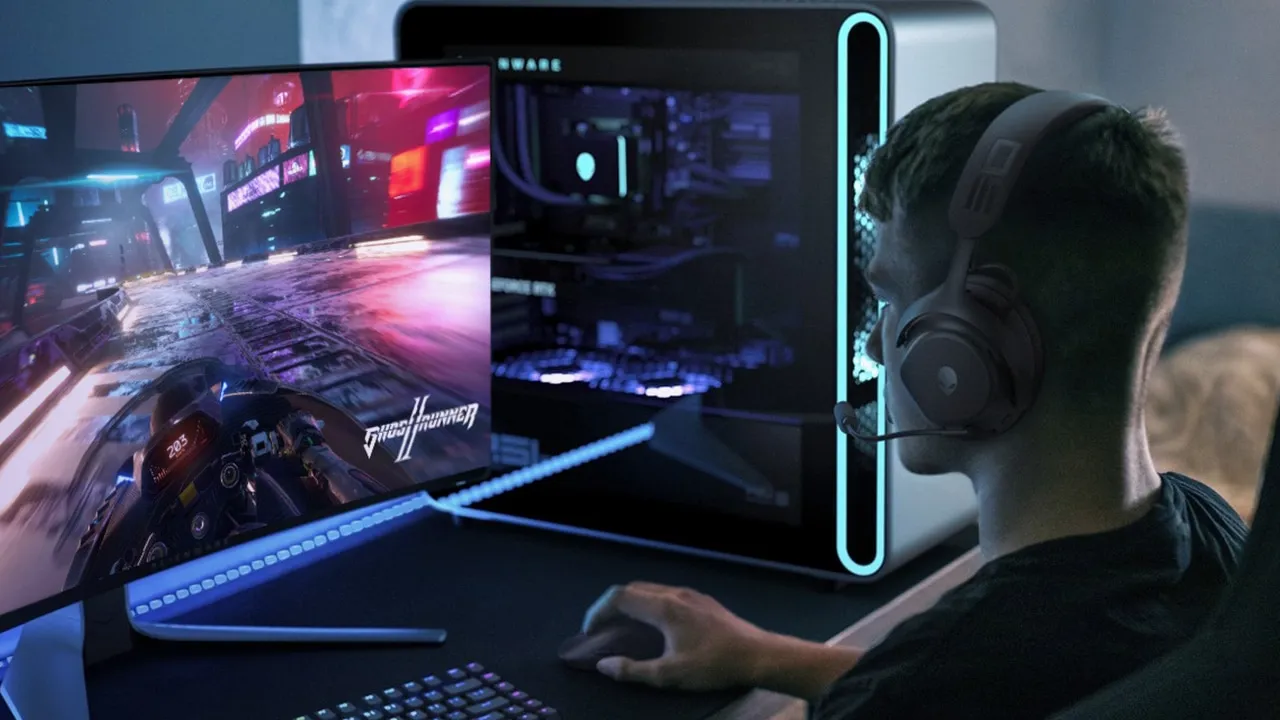
Meanwhile, many high‑refresh 1080p panels exist including options at 144Hz, 240Hz or beyond that deliver fluid animations and low input lag. Competitive players often value that over pixel count. Studies show refresh rate boosts performance at low levels, but jumping above 60Hz yields diminishing returns.
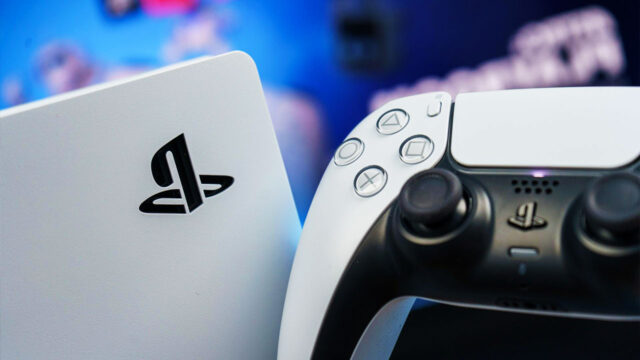
Sony launches public beta for PS5 4K game streaming, including major titles like God of War, Horizon Forbidden West.
Visual clarity isn’t all about pixel count
On small monitors around 24 inches 1080p yields excellent pixel density. A 24″ Full HD display can outperform a large 4K TV in terms of clarity at typical desk distance.
Adding more pixels only helps when the panel is big enough to benefit. Beyond a certain size, pushing 4K into small displays offers minimal visible gains.
1080p makes financial sense for most players
4K monitors still command a premium even in 2025. Equivalent refresh rates or panel tech cost substantially more compared to 1080p. For gamers on a tight budget, Full HD offers more speed per dollar with roughly the same visual sharpness in everyday use.
When jumping to higher resolutions pays off
Advanced users may choose 1440p (QHD) or 4K when:
- They own a high‑end GPU capable of driving those resolutions at smooth frame rates
- Their use extends beyond gaming like watching 4K video or editing high-res content
- They prefer larger monitors where the extra detail becomes visible
Plenty still find 1440p the sweet spot better fidelity than 1080p without the demands of full 4K.
Key reasons Full HD still wins
Here’s why many gamers haven’t switched:
- Budget friendly: Much cheaper than equivalent high-refresh 4K panels
- Higher refresh rates: Easier to find 144Hz, 240Hz monitors
- Better performance: Less taxing on GPUs, smoother gameplay
- Sharp enough on small screens: Pixel density holds strong up to ~27″
- Wide availability: Plenty of competitive‑grade Full HD panels out there
The tradeoff most gamers are still choosing
Gamers using mid-range or entry-level GPUs, or those focused on esports, will benefit most from a fast Full HD screen. If you’re playing cinematic story games or pushing high-res video, then UHD might feel worthwhile. But for millions, smoother motion still beats sharper pixels.
The resolution war isn’t over but for now, fewer pixels means more wins.