
Facial recognition app lets police identify suspects in the street

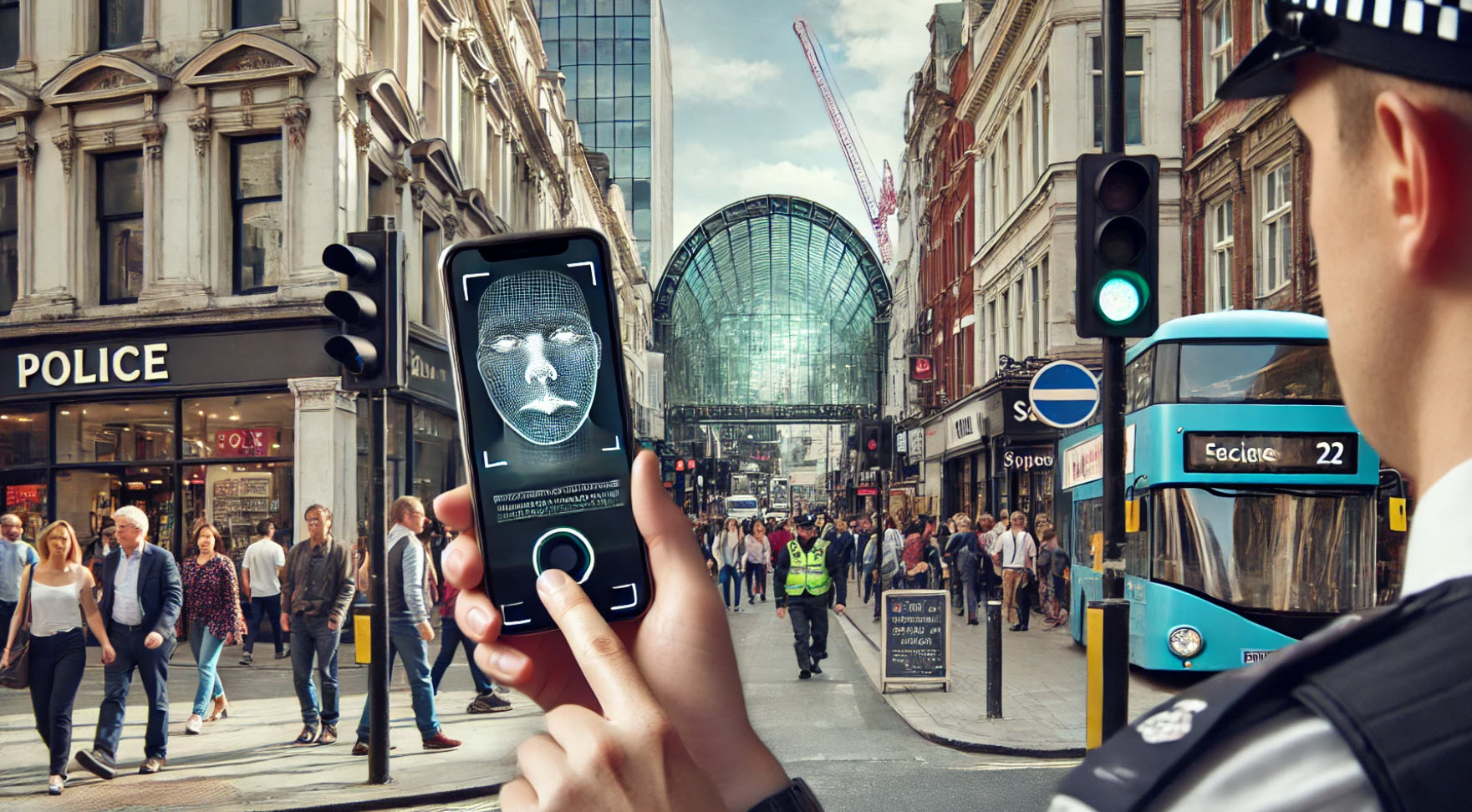
In England, South Wales Police and Gwent Police have introduced a facial recognition app, Operator Initiated Facial Recognition (OIFR), enabling officers to identify individuals in near real-time using their smartphones. This marks the first deployment of such technology by UK police forces.
The app allows officers to photograph individuals and instantly compare the images against a database of custody photos. Police assert that this tool will expedite the identification of unconscious or deceased individuals, facilitating prompt family notification with “care and compassion.” Additionally, it aims to swiftly resolve cases of mistaken identity without necessitating visits to police stations.
Civil liberties groups raise alarms over potential privacy violations
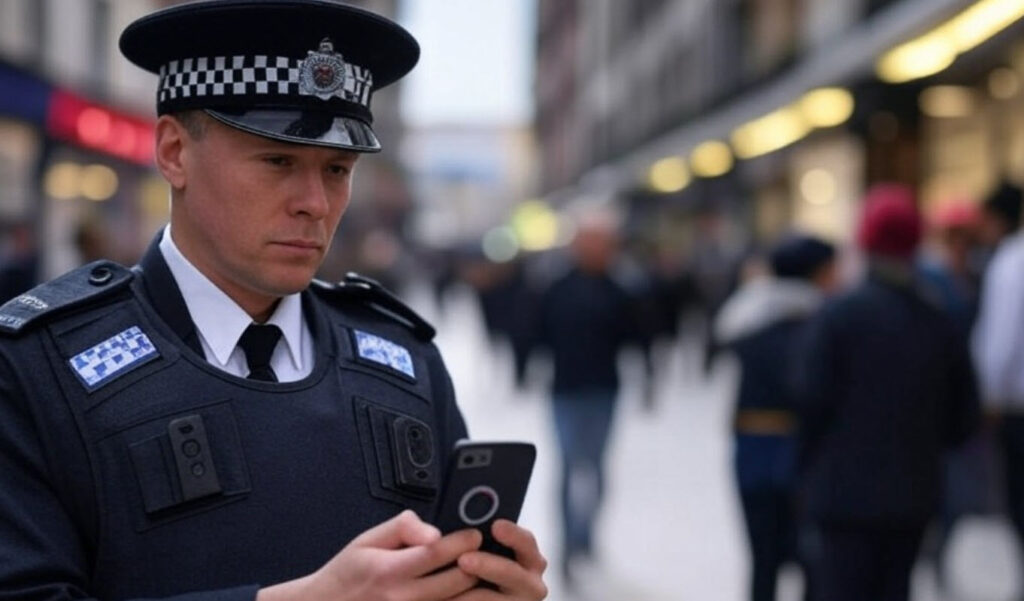
However, civil liberties organizations express deep concerns. Jake Hurfurt of Big Brother Watch warns that the app “creates a dangerous imbalance between the public’s rights with the police’s powers.” He emphasizes that, traditionally, UK citizens are not obligated to identify themselves to police without substantial cause, and this technology could undermine that fundamental right.
Charlie Whelton from Liberty echoes these apprehensions, describing the technology as a “deeply invasive breach of our privacy rights, data protection laws, and equality laws.” He calls for urgent government intervention to establish safeguards that protect civil liberties, rather than permitting police to “experiment at the expense of our civil liberties.”
Police disrupt Twitter HQ sign removal
The police maintain that photos taken via the app will not be retained. They also state that images captured in private settings—such as homes, schools, medical facilities, and places of worship—will only be used in situations involving a risk of significant harm.
Despite these assurances, the deployment of OIFR has ignited a heated debate over the balance between technological advancements in law enforcement and the preservation of individual privacy rights. As the app becomes operational, scrutiny from both the public and human rights advocates is expected to intensify, highlighting the ongoing tension between security measures and civil liberties in the digital age.
Your comment has been submitted,
it will be published after approval.