
Crystal defects enable storage of terabytes of data in millimeter-sized memory

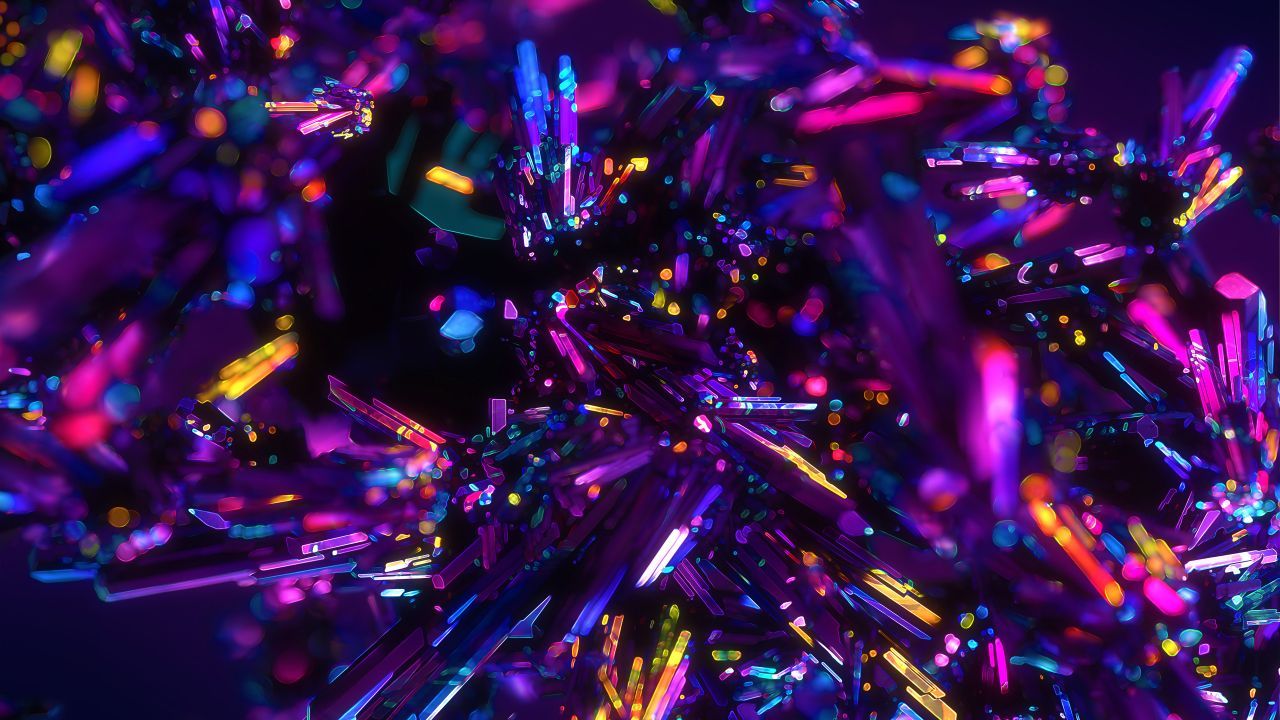
Researchers at the University of Chicago have made a major breakthrough by storing terabytes of digital data within a crystal cube just one millimeter in size. This revolutionary achievement utilizes single-atom defects in the crystal to represent the binary states of data storage—1s and 0s—overcoming traditional size limitations in data storage systems.
New method uses crystal defects for massive data storage
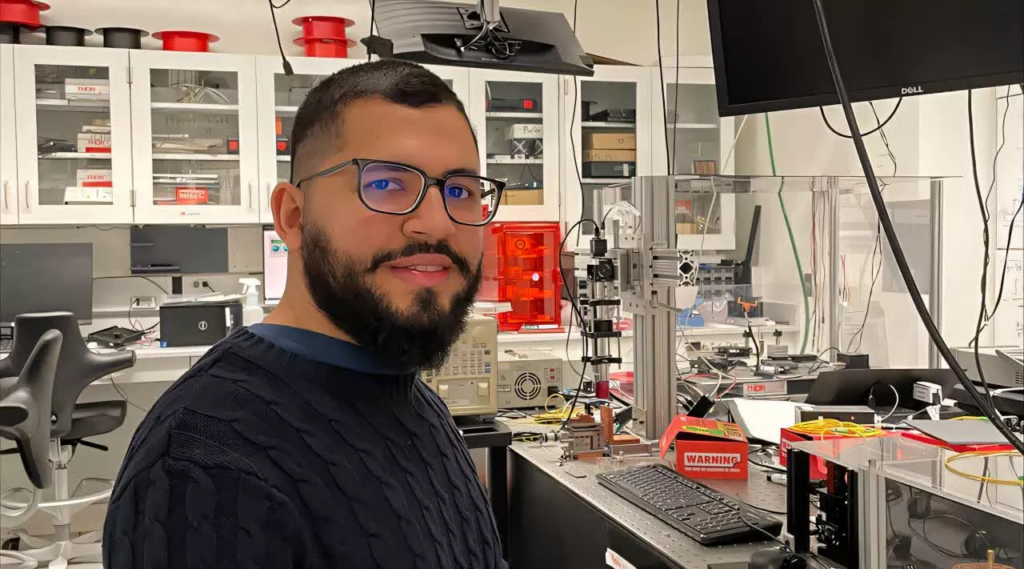
The researchers at the Pritzker School of Molecular Engineering have shown that missing atoms within a crystal structure can be used to store vast amounts of data. This technique, which involves integrating solid-state physics and quantum principles, marks a significant step forward in how data can be stored compactly.
Scientists embedded the human genome in crystal memory!
How it works: rare-earth ions and crystal defects
To achieve this, the team introduced rare-earth ions, specifically praseodymium, into a yttrium oxide crystal. This innovative method utilizes ultraviolet light to activate the rare-earth ions, causing them to release electrons that become trapped in the crystal’s natural defects. These defects serve as memory cells, where the charge state indicates binary data, with charged defects representing “1” and uncharged defects representing “0.”
Revolutionizing classical data storage
- The use of crystal defects for data storage integrates quantum methodologies with classical computing.
- The storage method has the potential to offer terabytes of data in an incredibly compact space—just one millimeter in size.
- This breakthrough could transform storage technologies, offering ultra-compact, high-capacity solutions for classical computing systems.
What this means for the future of data storage
As data demands continue to rise, this innovation could pave the way for a new generation of memory systems capable of storing massive amounts of data in smaller and more efficient formats. With potential applications in everything from consumer electronics to high-performance computing, this discovery could set the stage for a leap forward in data storage technologies.
New horizons for data storage research
The development of this technology represents a convergence of quantum research and classical memory applications. As researchers explore the interface between these fields, the future of data storage could be redefined, with new approaches offering unparalleled efficiency and capacity.
Your comment has been submitted,
it will be published after approval.