
Xbox Backwards Compatibility is Expanding to PC and Helix

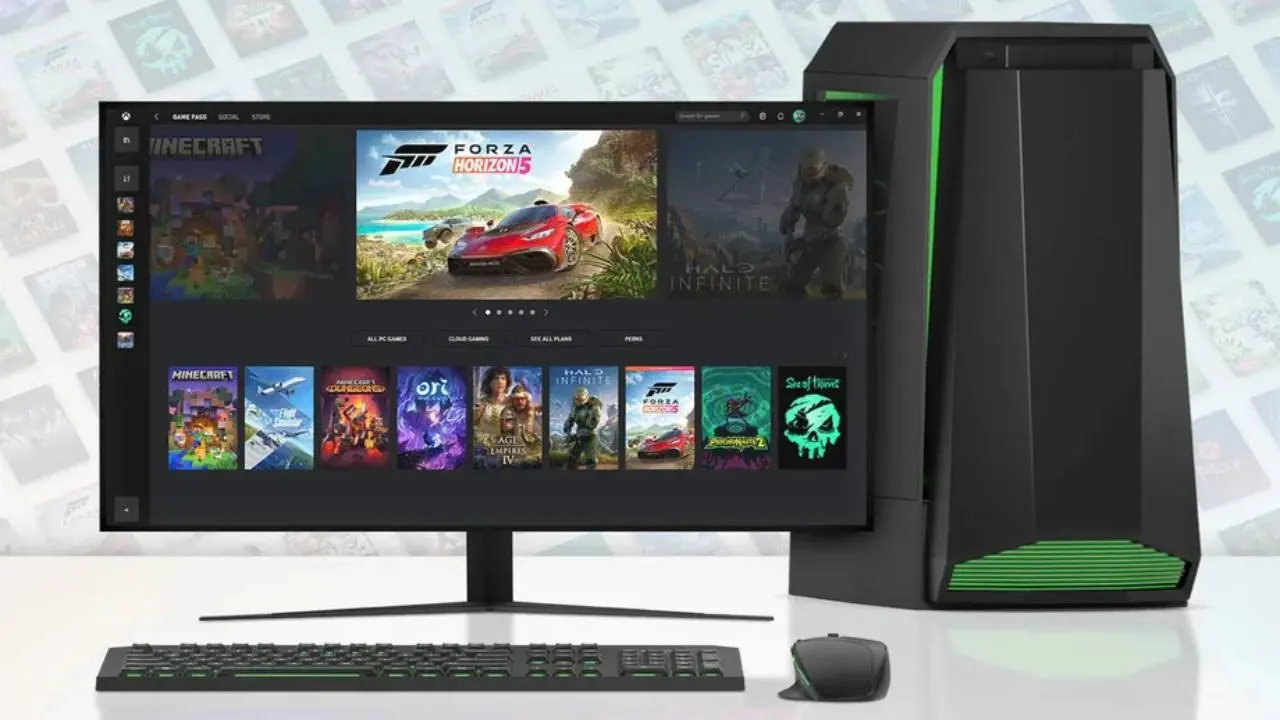
Recent leaks have revealed that Microsoft is significantly broadening its Xbox backwards compatibility initiative, aiming to bridge the gap between console history and modern computing. According to documentation circulating within the industry, iconic titles from the classic Xbox 360 library are being prepared for integration into both the PC platform and the advanced Helix architecture. This strategic shift represents a core pillar of Microsoft’s broader vision to unify its gaming ecosystem, allowing players to access legacy content on contemporary hardware. By empowering developers through a voluntary participation model, the company intends to ensure that digital archives remain accessible as technology evolves.
- Microsoft is extending Xbox backwards compatibility to include PC and the Helix architecture.
- Developers can choose to participate in the program via an opt-in system.
- The initiative aims to preserve legacy digital content for modern high-performance hardware.
Developers Are Being Included in the Expansion Process
The expansion of the Xbox backwards compatibility program into the PC market marks a significant milestone for long-term game preservation. By removing historical hardware limitations, Microsoft is essentially securing the legacy of its gaming archives. 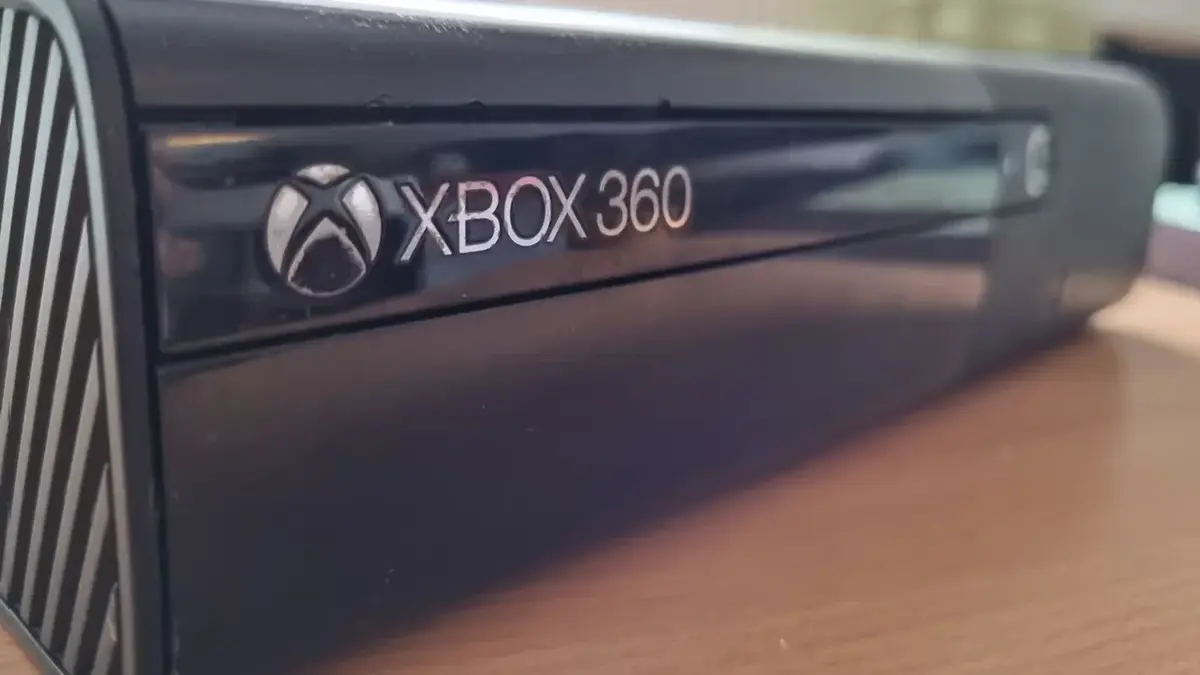
This initiative promises to bring the most beloved titles of the 360 era to modern PC users, complete with high-resolution scaling and improved performance metrics that were previously unavailable. It offers a unique opportunity for retro gaming enthusiasts to experience their favorite classics with updated technical standards.
The return of classic titles to modern PCs is fundamentally changing the landscape of the gaming industry.
Helix Architecture Transforms the Gaming Experience
The role of the Helix architecture appears central to this ambitious technical undertaking. Microsoft is leveraging cloud-based solutions and sophisticated emulation techniques to streamline the portability of titles across diverse hardware platforms. This infrastructure allows developers to deploy their games on modern systems without requiring extensive modifications to the original codebases.
By overcoming traditional technical hurdles, many classic titles that were previously at risk of being lost to time are now being successfully integrated into current libraries. The leaked documents suggest a high level of commitment from Microsoft to this project, as the opt-in model effectively balances intellectual property rights with necessary technical optimizations.
Major publishers are expected to find great value in re-releasing their classic catalogs through this system, which could drive both increased sales and higher platform engagement. The ability to play these older titles with modern convenience serves as a powerful incentive for both veteran players and new audiences.
Xbox 360 classics are being readied for high-performance play on modern computers.
Strategic Steps Define the Future of Gaming
This initiative confirms that the Xbox brand is evolving beyond a simple console manufacturer into a comprehensive digital entertainment ecosystem. The seamless integration between PC and Helix architecture is designed to eliminate hardware constraints, ensuring that players have consistent access to their gaming libraries regardless of their chosen device.
As the project progresses, industry analysts expect the library of available titles to grow significantly as more developers recognize the benefits of participating in the program. The long-term success of this vision relies on the continued cooperation between Microsoft and its publishing partners to keep the past relevant for the future.
Which legendary Xbox 360 titles do you believe deserve a modern PC revival, and why do you think they remain so significant today? Let us know your thoughts and share your favorite classics in the comments section below.
Your comment has been submitted,
it will be published after approval.