
Volvo showcases its innovative seatbelt design!


Volvo is introducing a new system in seatbelt technology. The company has unveiled a seatbelt design that can adapt in real time to different body types. This system operates using data from in-car sensors and automatically adjusts the force exerted by the seatbelt based on the individual.
Volvo introduces its new adaptive seatbelt technology
In this newly developed system by Volvo, individual factors such as height, weight, body structure, and seating position are taken into account. The seatbelt is specifically adjusted for each user. For example, in the event of a collision, a larger passenger may experience increased tightening to better protect the head area.
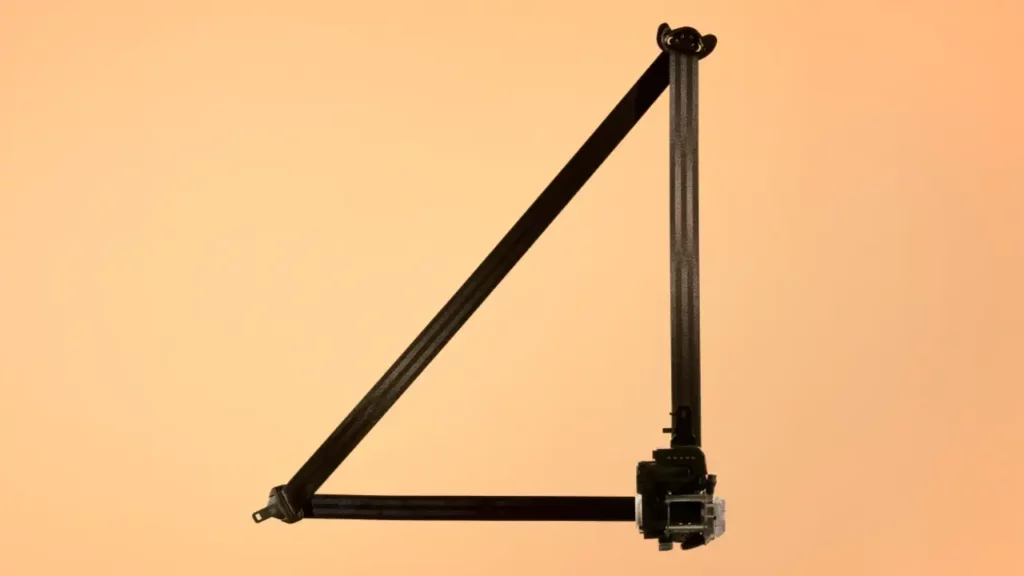
For more slender passengers, the force applied by the belt is reduced to minimize the risk of internal injuries such as rib fractures. Unlike traditional seatbelts that use three different load-limiting profiles, this new system operates with 11 profiles.
This allows for more precise safety measures for a wider range of collision scenarios and passenger types. During a crash, the system evaluates vehicle speed, impact direction, and passenger position within milliseconds to determine the optimal seatbelt tension.
Designed not only for physical adaptability but also with software development in mind, this new seatbelt system can be continuously improved through updates. Vehicle owners will be able to maintain optimal safety standards by installing these updates.
Your comment has been submitted,
it will be published after approval.