
Moonshot CEO Claims OpenAI Failed to Invent Anything New

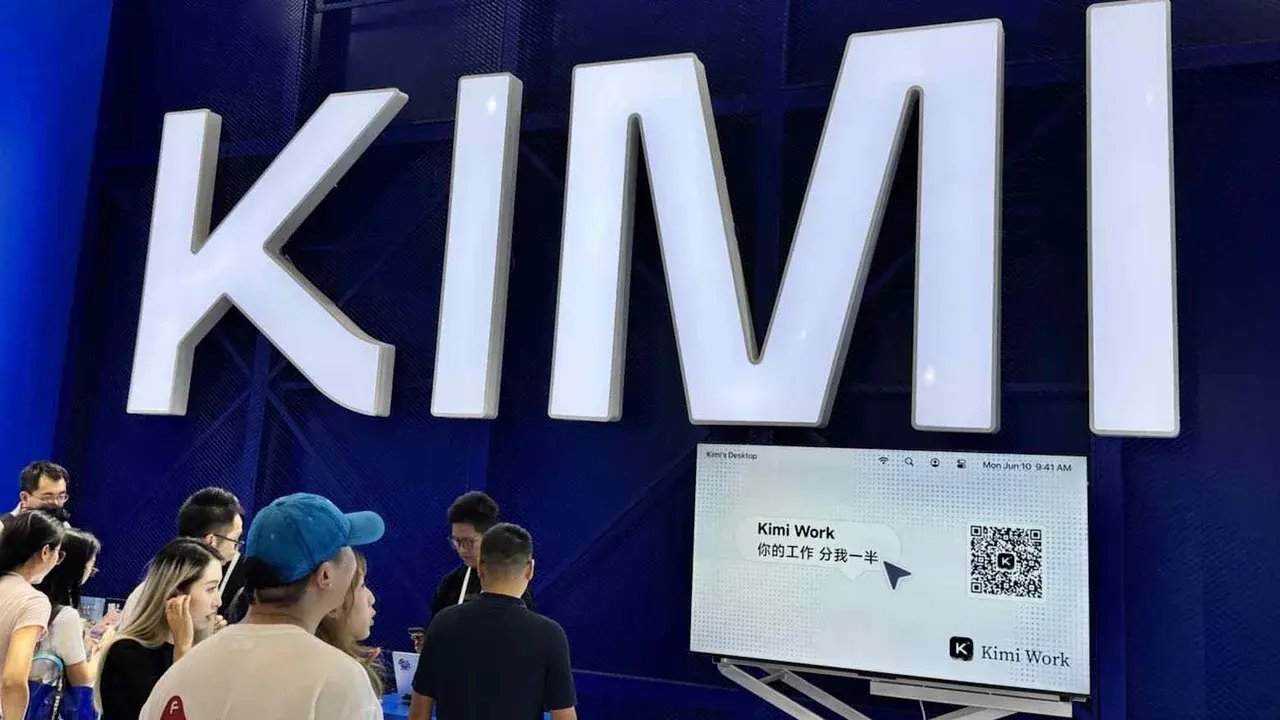
Moonshot CEO Zhilin Yang has launched a scathing critique of OpenAI, asserting that the industry giant has failed to invent anything truly novel in the field of artificial intelligence. Speaking amidst a heated industry-wide debate regarding open-weights models, Yang argued that OpenAI’s success stems merely from synthesizing existing technologies rather than pioneering breakthroughs. This public confrontation follows recent pressure on OpenAI and other major tech firms to endorse an open-source AI ecosystem, a movement supported by industry leaders like NVIDIA and Meta. As the debate over AI accessibility intensifies, the industry faces critical questions regarding the future of innovation and the gatekeeping of powerful models by established corporations.
- Moonshot CEO Zhilin Yang claims that OpenAI relies on combining existing technologies instead of creating original innovations.
- Major technology companies including Google and OpenAI have officially joined a coalition supporting open-weights AI models following intense public scrutiny.
- Reports suggest that industry leaders previously lobbied for strict regulations to limit the proliferation of open-source artificial intelligence.
- Experts suggest that organizational structure represents a greater barrier to achieving Artificial General Intelligence than the current state of technology.
Industry Giants Join the Open-Weights Coalition
The landscape of the artificial intelligence sector shifted significantly after a group of prominent technology companies, including NVIDIA, Microsoft, Meta, and Dell, issued a collective call to protect the open-weights ecosystem. This initiative aims to maintain transparency and foster competition in an industry increasingly dominated by closed-source models.
Initially, major players like OpenAI and Google refrained from joining the effort, raising concerns about potential protectionist lobbying.
Under mounting public pressure and allegations that they were lobbying Washington to restrict open-source advancements, these companies eventually pivoted. Google CEO Sundar Pichai publicly announced his support for the open-source movement, emphasizing the company’s long-standing contributions to the sector. This sudden change in corporate positioning highlights the sensitivity surrounding the debate on whether AI development should be accessible or strictly controlled.
Innovation Stagnation Concerns the Competitive Landscape
Zhilin Yang, the leader of Moonshot and the creator of the Kimi K3 model, maintains that the current bottleneck for Artificial General Intelligence is not a lack of technological capability. Instead, he identifies traditional organizational structures as the primary factor hindering progress. According to Yang, OpenAI’s ascent is largely attributed to the effective integration of three existing foundational components rather than genuine invention.
Moonshot advocates for a structural shift in how organizations develop advanced intelligence systems.
This critical stance highlights a growing rift between proponents of rapid, open innovation and those prioritizing controlled, proprietary development paths. As the industry matures, the friction between these philosophies suggests that the future of AI will be defined by how companies manage their research autonomy versus their commitment to the broader global ecosystem.
How do you perceive the balance between proprietary security and the democratization of AI through open-source models? Share your thoughts in the comments below.
Your comment has been submitted,
it will be published after approval.