
England to produce synthetic human DNA!

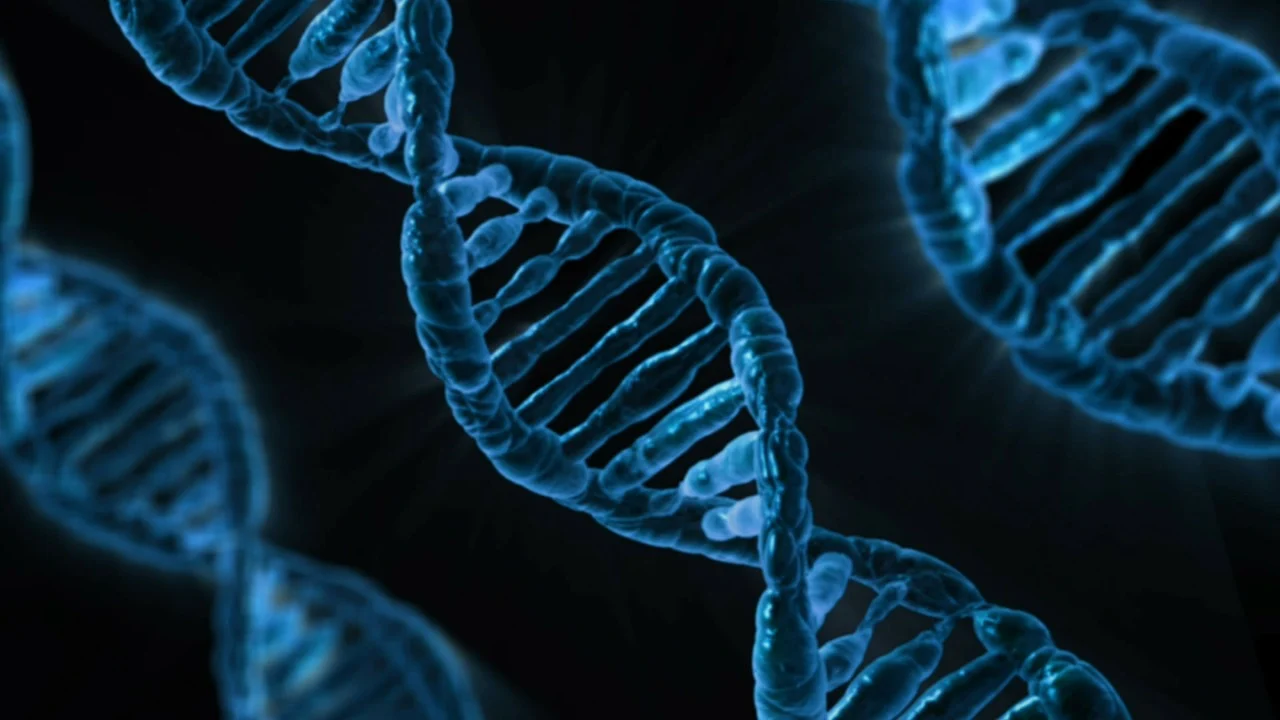
The first research study on synthetic production of human DNA in the world has officially begun in the UK. This groundbreaking initiative aims to build the human genome from scratch at the molecular level.
The UK plans to produce synthetic human DNA
Behind the project is the Wellcome Trust, one of the world’s largest medical charities, which previously supported the Human Genome Project. The institution provided an initial £10 million in funding for the research, which is being conducted by the Cambridge-based MRC Molecular Biology Laboratory.
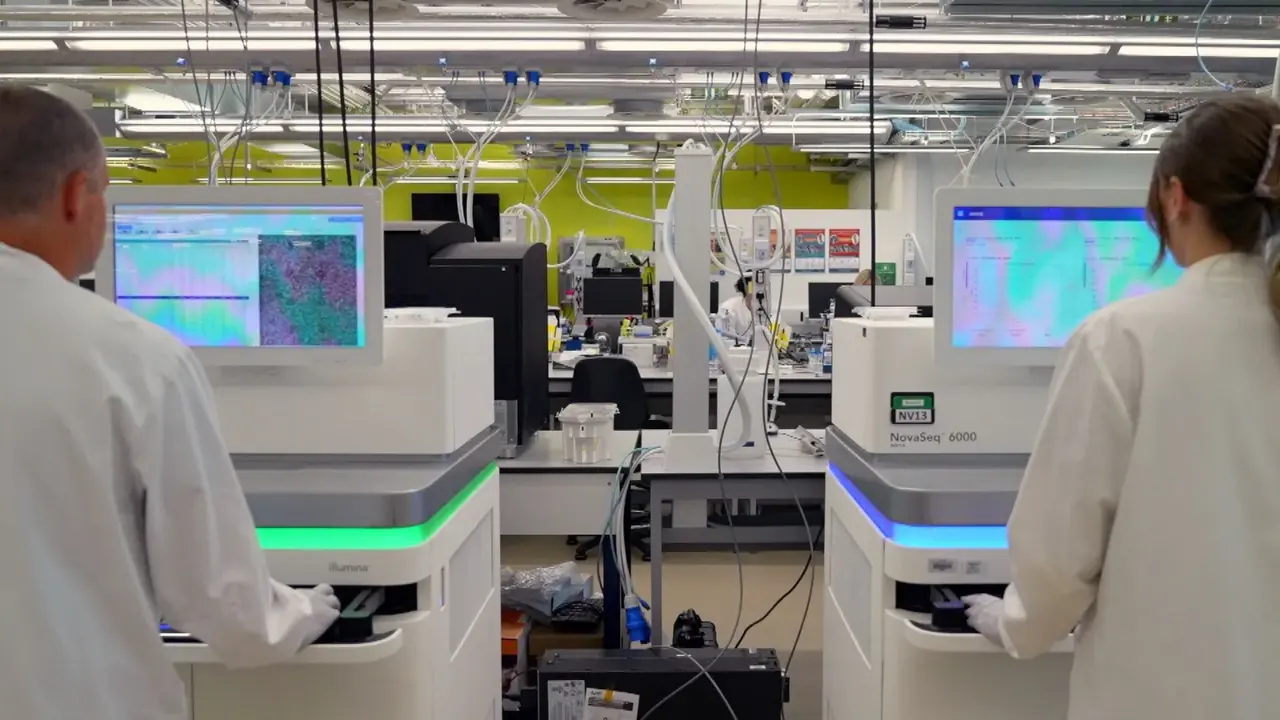
The focus of the study is on repairing damaged cells and organs, slowing down degenerative diseases that come with age and finding solutions to incurable diseases. Dr. Julian Sale, a member of the research team, states that this technology could make it possible to produce disease-resistant cells that could be used to rebuild organs such as the heart, liver or immune system.
DNA is the basic molecule that carries genetic information in the human body and consists of four nucleotide letters (A, T, G, C). Thanks to the Human Genome Project, this sequence has been deciphered like a barcode. The newly launched project aims to take the process one step further and directly synthesize DNA. In the first phase, tools will be developed that will allow increasingly larger sections of human DNA to be produced synthetically. In the long term, the goal is to produce a complete human chromosome in a laboratory environment.
These synthetically constructed DNA pieces will allow scientists to directly observe the effects of genes on the body. While traditional genetic engineering methods can only make small changes to existing DNA, the new approach will allow the entire structure to be redesigned. This could enable the development of more accurate treatments and cell-based therapies.
All of the research is being conducted in a controlled laboratory environment. However, the technological possibilities provided by the project allow for a more detailed intervention in human biology than ever before.
This raises serious ethical questions. Some experts are concerned that the work could be misused by malicious actors to produce biological weapons, genetically enhanced humans or new species.
Despite these concerns, the Wellcome Trust, which provided funding for the project, stated that the decision was made after a careful evaluation process. Approving the funding decision, Dr. Tom Collins argues that the technology will be developed sooner or later, so it is safer to work in a controlled and transparent manner now. Collins asks the question, “What would be the cost of inaction?” and states that getting involved in the project early on offers an opportunity to move forward ethically.
This research conducted in England is recorded as the first step towards completely reconstructing human DNA in a laboratory environment. It is expected that the developments will have revolutionary results in the field of medicine and will also cause the reshaping of international regulations regarding biotechnology.
Your comment has been submitted,
it will be published after approval.