
Volkswagen complains about prices in the Chinese market

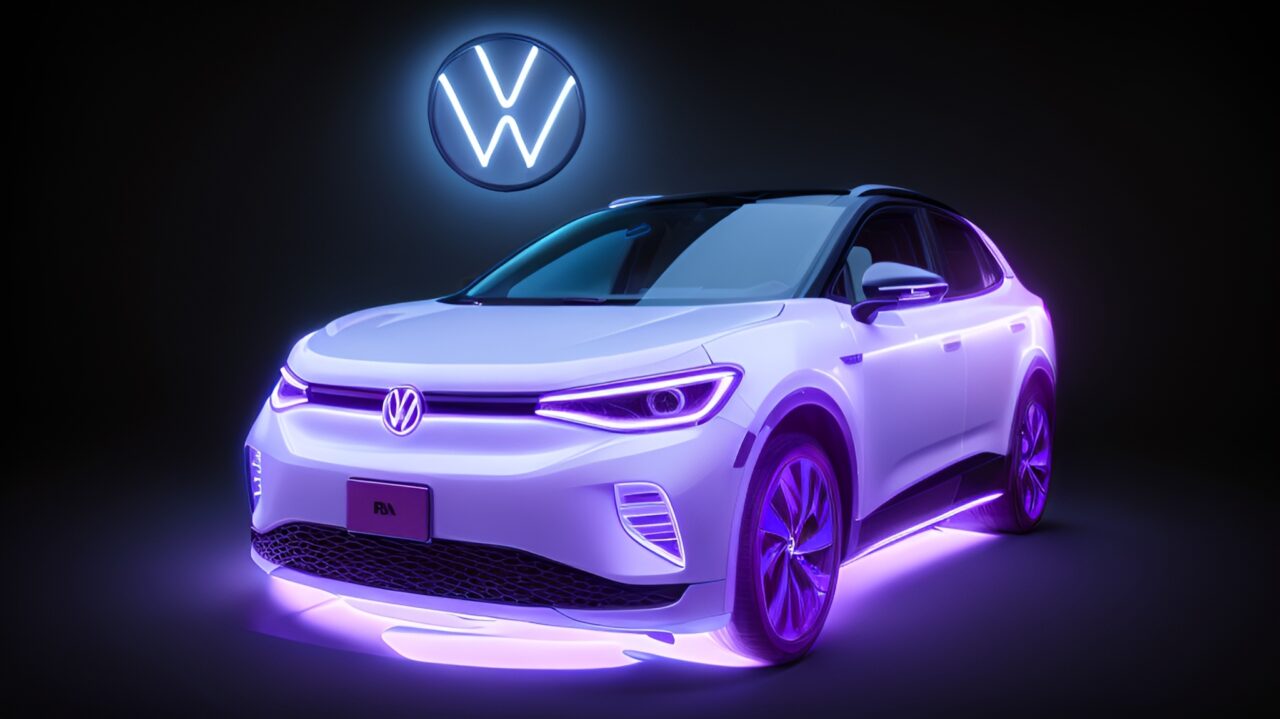
Ralf Brandstätter, head of Volkswagen’s Chinese operations, harshly criticized the current state of the country’s automotive market. According to Brandstätter, price competition in the Chinese automotive market has become unsustainable and the market has become irrational. Volkswagen, which for years stood out as the Western manufacturer with the largest market share in China, has begun to decline in the face of the aggressive pricing policies of local brands.
Volkswagen management is dissatisfied with the Chinese market.
In recent years, China has become one of the centers of the global automotive industry. The number of electric and hybrid vehicle manufacturers, in particular, has increased rapidly. Today, there are more than 130 companies operating in this segment in China.
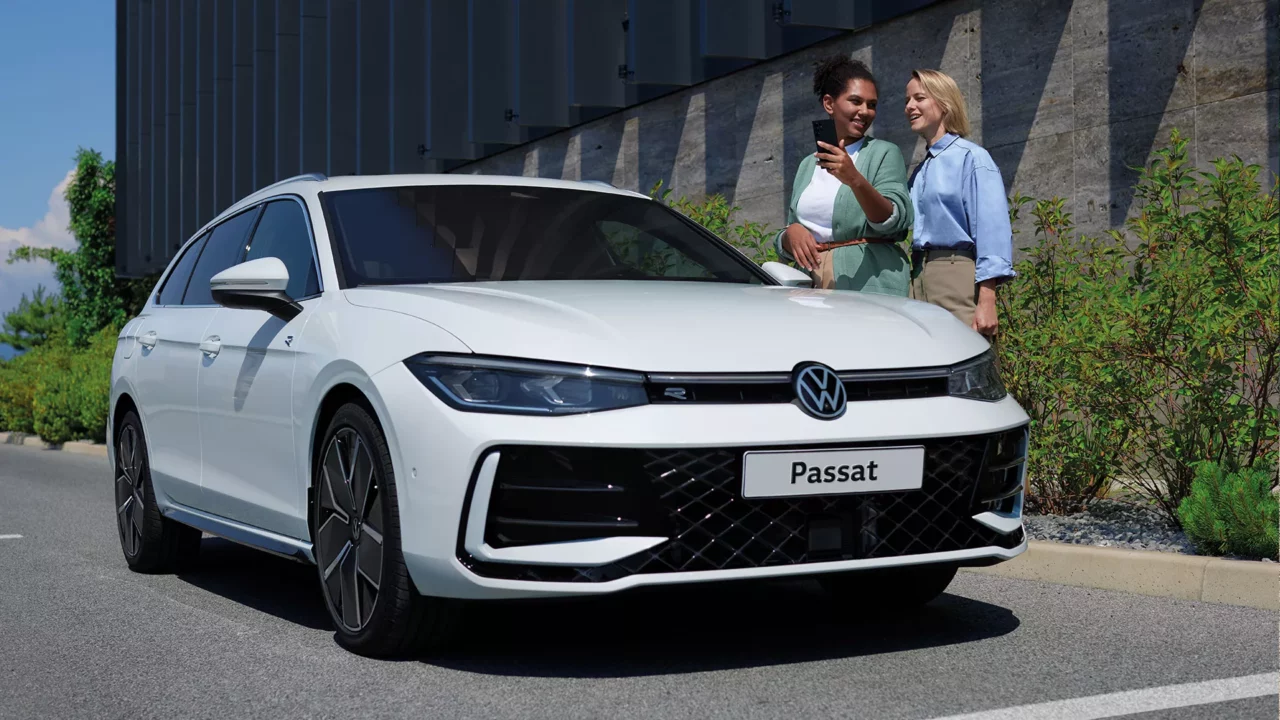
In this oversupply environment, companies’ profitability has fallen significantly. Brandstätter states that this situation threatens both current profits and future investments. In his view, companies are currently sacrificing profits for the sake of competition, but this approach is unsustainable in the long term.
This transformation is a painful one for Volkswagen. Having held the lead in the Chinese market for years, the company has begun to lag behind local manufacturers like BYD in recent years. By 2024, BYD’s sales in China reached 4.21 million units, while Volkswagen sold 2.93 million vehicles during the same period. According to company insiders, this gap is expected to widen further in 2025.
It was introduced as the name. Let’s see what the EA FC 26 will offer this year. Although Volkswagen executives are criticizing the current situation, the company has no plans to withdraw from the Chinese market. On the contrary, investments continue. A new Jetta model, specifically developed for China, has been introduced. At the same time, the brand is also continuing to renew its electric car portfolio in China. This strategy is considered part of Volkswagen’s efforts to maintain its position in China.
Brandstätter’s statements are also indicative of a major shift in the global automotive sector. As Chinese manufacturers expand globally, market growth is no longer solely dependent on volume but also on sustainability and profitability.
Your comment has been submitted,
it will be published after approval.