
Chinese haven’t been able to develop competitor to Starlink

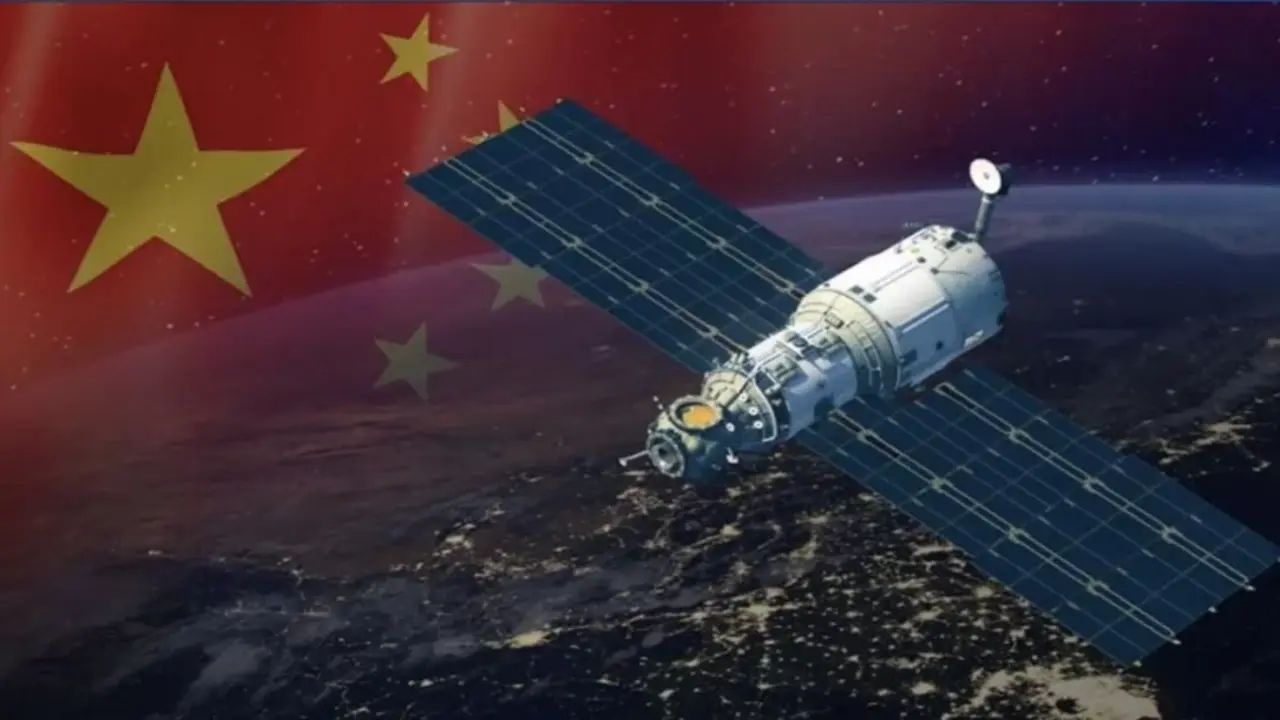
China was planning to make a major leap forward in the race for massive internet infrastructure in low Earth orbit this year. However, the gap between it and Starlink has not only narrowed but also become more pronounced. China’s Qianfan and Guowang networks, which it is attempting to develop, are struggling to move beyond the initial stages, compared to SpaceX’s dominance with approximately 8,000 satellites.
The Chinese have struggled to find a competitor to Starlink.
Starlink, thanks to its reusable rocket technology, has significantly reduced the cost of accessing space, thus increasing its launch frequency to an unprecedented level. The Falcon 9 rocket has completed approximately 500 missions to date.
While the cost of each mission has significantly decreased, SpaceX is using this advantage to aggressively increase its satellite count. As a result, the vast majority of the approximately 11,000 satellites currently active in low Earth orbit belong to Starlink.

China’s Qianfan and Guowang projects, launched in response to Starlink, are failing to keep pace. Shanghai Spacesail Technologies Co., which developed Qianfan, aimed to place 648 satellites into orbit by the end of 2025.
To date, only 90 satellites have been launched. Thirteen of these satellites failed to reach the target altitude. The goal remains: the goal is to launch 15,000 satellites into space by 2030. However, at this pace, achieving this goal requires at least 30 launches per month.
The outlook for Guowang is even more limited. Plans to deploy 13,000 satellites within the next 10 years have been announced, but currently, only 34 are active satellites in orbit. This figure represents less than 1 percent of China’s total active satellite presence compared to Starlink.
The biggest obstacle is the delay in reusable rocket technology. China still launches mostly with single-use rockets. These rockets disintegrate or fall into the atmosphere during each mission, creating significant logistical challenges and high costs.
While reusable rocket models such as Long March 10, 8R, Zhuque-3, and Tianlong-3 have been developed, none of these vehicles have yet reached operational levels.
Satellite production is another factor slowing down the process. Production, testing, and launch infrastructure must work together. Without this synchronization, China’s ability to launch dozens of satellites per month, while technically feasible, remains severely limited in practice.
Despite all these technical and structural challenges, China has not abandoned its projects. Shanghai Spacesail Technologies Co. has signed agreements to provide internet services with countries such as Brazil, Thailand, Malaysia, and Kazakhstan. However, most of the services under these agreements have not yet been launched.
Your comment has been submitted,
it will be published after approval.