
Bad news for German automakers

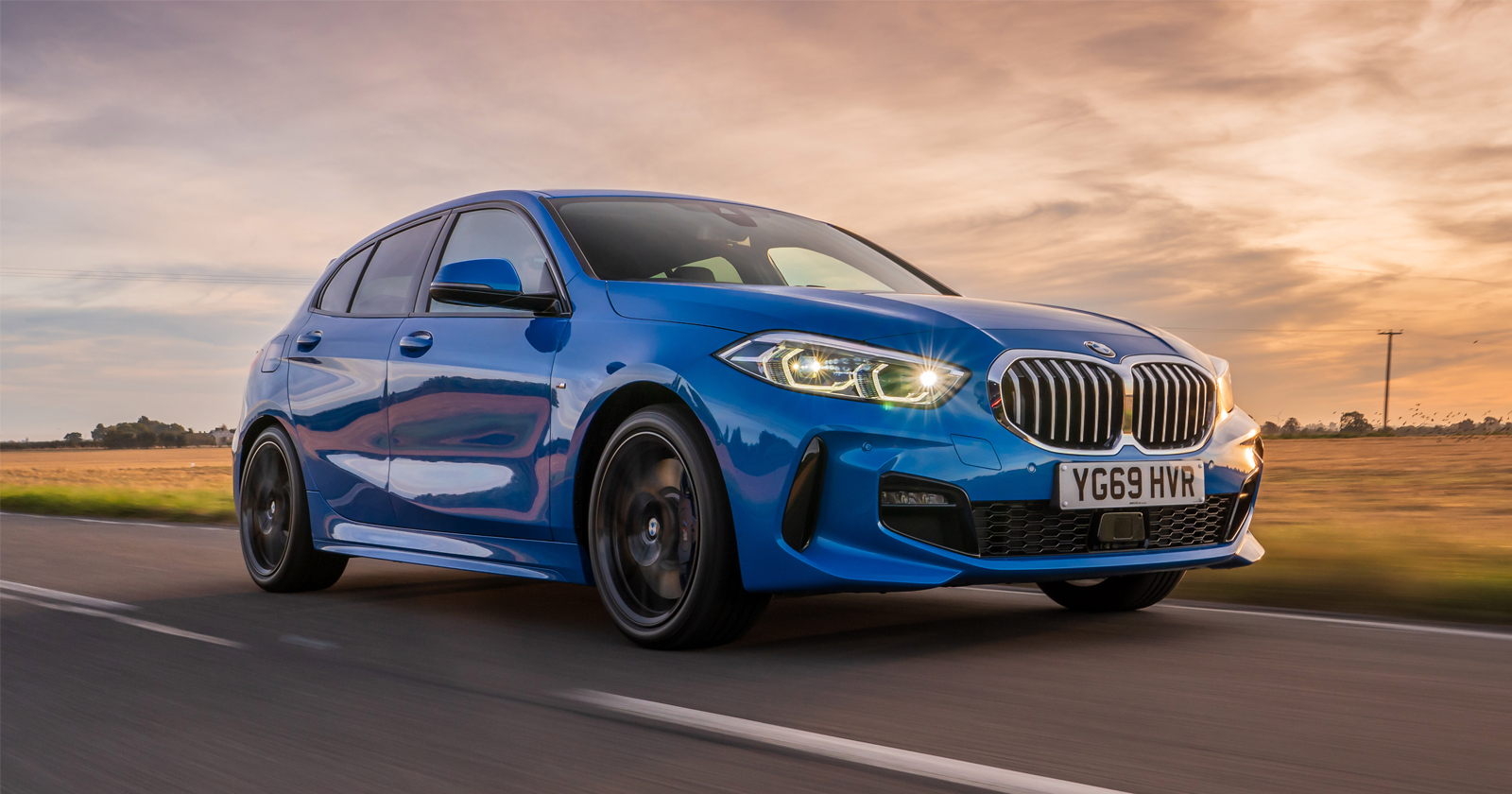
Mercedes-Benz, BMW, and Audi, the backbone of the German automotive industry and the so-called Big Three, were hit by an unexpectedly sharp decline in profits in the second quarter of 2025. New tariffs imposed by the US and geopolitical tensions in global markets have painted the financials of the giant brands in the red, while the only silver lining amidst this gloomy picture has been the steady increase in electric and hybrid vehicle sales.
Why are German automakers in decline?
According to industry analysts, two main reasons underlie this difficulty experienced by German automakers: tensions in transatlantic trade relations and concerns about a global economic slowdown. New tariffs, particularly in the US market, are directly eroding profit margins, while global political and economic uncertainties are negatively impacting consumer confidence and suppressing demand.
One of the most striking figures in the chart came from Mercedes-Benz. The company’s net profit fell to €957 million, a staggering 69% compared to the same period in 2024. In the six-month period covering the first half of the year, profits eroded by 56%, while revenues fell by 9% and vehicle sales by 6%. These figures indicate that the brand is under significant pressure in both sales volume and per-unit profitability.
While its Bavarian rival, the BMW Group, experienced a significant decline in profitability, it maintained a more resilient profile by maintaining consistent vehicle deliveries. The group’s second-quarter profit fell by nearly a third to €1.8 billion. The profit decline in the first half of the year was recorded as 29%. Despite all this negativity, BMW managed to maintain its level with 1.2 million deliveries in the first half of the year. In fact, it even achieved a modest 0.4% increase in the second quarter compared to the previous year. This suggests that BMW may have sacrificed profit margins to maintain its market share.
The situation of Audi, part of the Volkswagen Group, presents one of the most interesting points in the picture. Audi Group, which includes luxury brands such as Bentley and Lamborghini, saw its operating profit drop sharply by 45.1% to €1.09 billion in the first half. However, the company’s revenue increased by 5.3% during the same period. This sharp decline in profits, despite revenue growth, highlights the extent to which rising production costs, supply chain issues, and high spending on electrification have pressured the company’s profitability.
Despite all these financial challenges, all three major brands share a common thread of success: electrification. The report highlights the increasing sales of fully electric (BEV) and plug-in hybrid (PHEV) models from Mercedes, BMW, and Audi, contrary to the general downward trend. This demonstrates that while the brands’ future strategies are on the right track, this transition process has been quite costly and painful.
Your comment has been submitted,
it will be published after approval.