
Samsung market share rises in U.S. as foldable phones gain traction


Samsung market share in the U.S. is climbing again, and this time, folding phones are driving the surge. In the second quarter, Samsung shipments jumped from 23% to 31%, while Apple slipped from 56% to 49%, according to Canalys. The numbers revive a rivalry more than a decade old, now shaped by new screen designs instead of size alone.
Samsung market share boosted by broad lineup
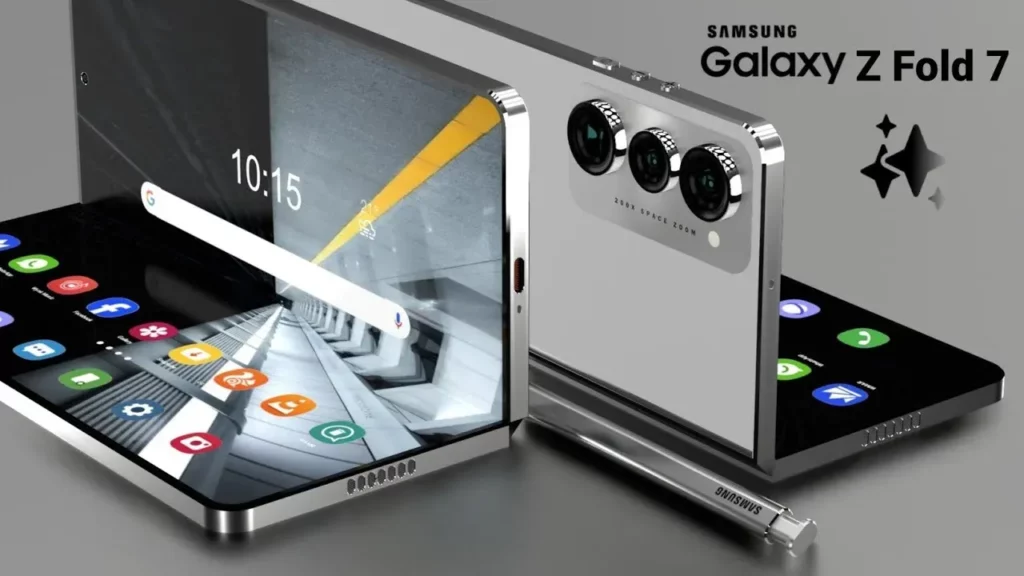
Analysts point out that Samsung’s growth is not limited to premium devices. The company sells phones across nearly every price tier, from budget models to flagships that cost more than any iPhone. Its Galaxy and Z series range from $650 to $2,400, covering almost every consumer bracket. Apple, by contrast, sticks to four iPhone models priced between $829 and $1,599. That narrower spread leaves Samsung room to pull in buyers who want more options.
Galaxy Z Fold 7, Z Flip 7, and Z Flip 7 FE features revealed!
Foldables put Samsung market share in the spotlight
The Galaxy Z Fold 7 and Z Flip are proving to be the real attention grabbers. A viral video showing the Z Fold 7 bent more than 200,000 times drew over 15 million views on YouTube, helping the device trend across social platforms. Preorders for the Z Fold 7 rose 25% compared to its predecessor, and early sales are running nearly 50% higher, according to Samsung. The company insists foldables are now durable enough for mainstream buyers.
Apple faces investor pressure
Apple still leads U.S. smartphone sales, but investors are uneasy. Shares are down 7.5% this year, while Samsung’s stock has soared 35%. Analysts say tariffs are complicating global shipments, but they also highlight Apple’s slow response to changing form factors. The iPhone hasn’t significantly changed in design since 2017, sticking with the flat glass rectangle while rivals push ahead with bolder experiments.
The next move in the rivalry
Apple is expected to release a slimmer iPhone Air soon, with reports suggesting a foldable iPhone could debut in 2026 as part of the iPhone 18 lineup. Pricing is rumored to start around $1,999, the same territory as Samsung’s Z Fold 7. Foldables also allow for stronger AI integration, with large displays better suited for multitasking and tools like Google’s circle-to-search. For now, brand loyalty shields Apple, but Samsung market share growth shows the momentum is shifting.
Your comment has been submitted,
it will be published after approval.