
Mercedes to use BMW engines! Radical decision

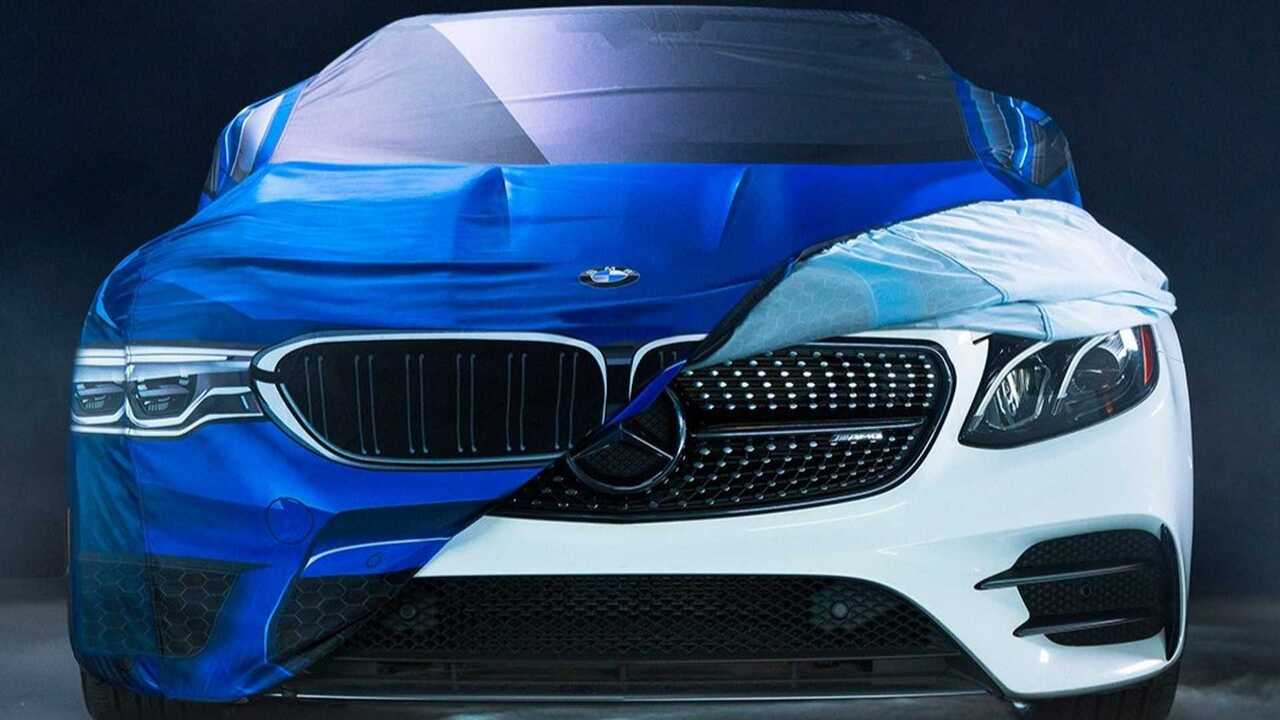
Mercedes-Benz is restructuring its internal combustion engine strategy amid the slower-than-expected transition to electric vehicles. As part of this effort, the company has taken action to utilize its arch-rival BMW’s four-cylinder gasoline engines across a wide range of models.
Mercedes Prepares to Use BMW Engines
Autocar magazine, citing a source within Mercedes, reports that the two companies are at an advanced stage in negotiations. If the agreement is finalized, BMW’s next-generation gasoline engines could be featured in numerous Mercedes models, including the CLA, GLA, GLB, C-Class, E-Class, and GLC. The two companies will announce the final decision by the end of the year.
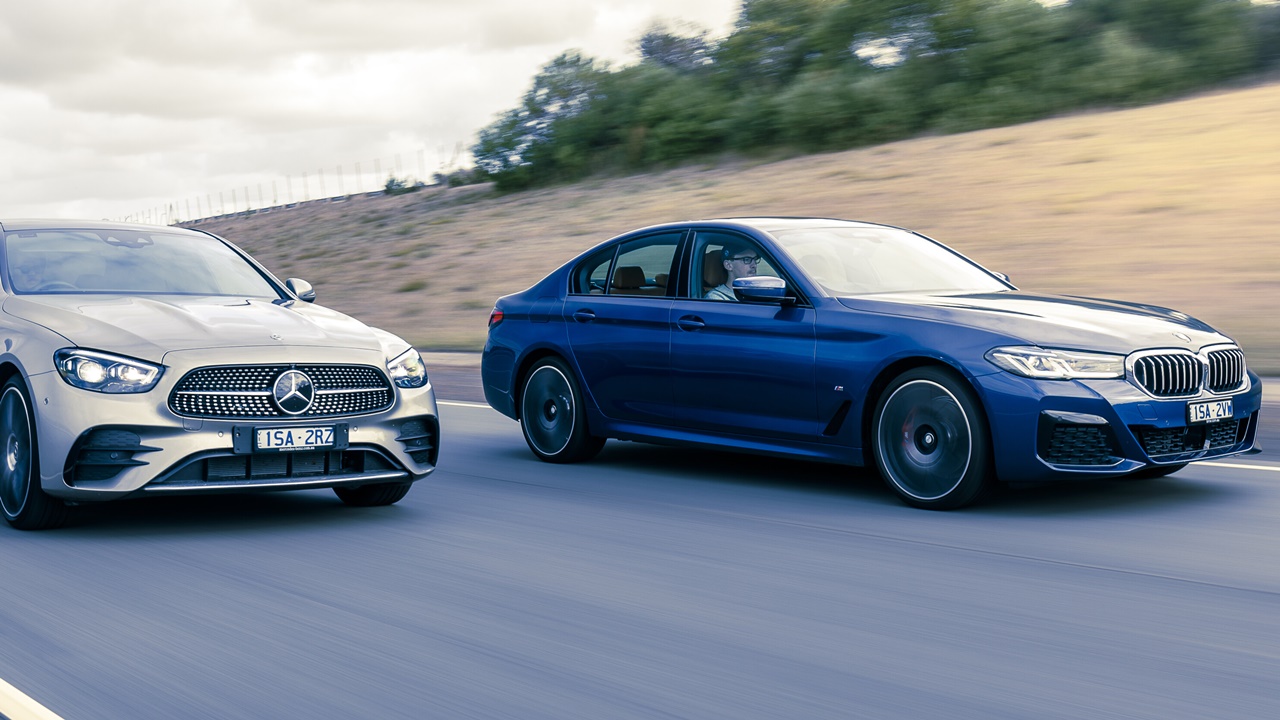
This move is driven by the goal of reducing development costs. For Mercedes, this agreement secures the supply of engines compliant with Euro 7 emissions standards while also offering the opportunity to increase the number of plug-in hybrid models without investing in new four-cylinder engine development.
These developments coincide with the launch of Mercedes’ turbocharged 1.5-liter four-cylinder M252 engine. Developed in Germany but produced in China by Horse, a joint venture between Geely and Renault, this engine is available in the new CLA with three different power outputs (136 horsepower, 163 horsepower, and 190 horsepower).
While the M252 is suitable for mild hybrid systems, according to company insiders, it is not designed for plug-in hybrid or range-extender systems. The engine coming from BMW will meet this need.
The engine mentioned in the collaboration is a derivative of the turbocharged 2.0-liter four-cylinder B48 engine used in current BMW and Mini models. Expected to be produced at the Austrian plant, the B48 offers Mercedes flexibility in its compact and mid-size vehicles thanks to its design, which allows for both longitudinal and transverse layouts.
The planned collaboration also includes global production centers. Due to rising import duties, establishing a joint engine plant in the US is also an option. If the agreement goes through, it would be a first in automotive history.
Your comment has been submitted,
it will be published after approval.